
Accessorize Like a Pro: Make Every Outfit Pop
Quickly learn to choose, layer, and balance accessories so any outfit feels intentional and polished. I’ll guide you through five simple steps with practical tips and empathy, helping you build confidence and a cohesive, stylish look every time today, effortlessly.
What You’ll Need

Start with the Outfit — Treat It as Your Canvas
Think a plain tee can’t sparkle? Think again — pick a base that lets accessories sing.Assess the outfit’s key attributes before adding anything. Scan silhouette, neckline, sleeve length, pattern scale, and color palette.
Note that neutral or simple patterns create flexible canvases for bold accessories (e.g., a white tee + a chunky gold necklace). Prefer subtler accents with busy prints (e.g., floral dress + small studs and a slim belt). Tailor or press garments so accessories don’t read as afterthoughts; a well-fitted blazer anchors a statement brooch.
Choose complementary colors for harmony (navy dress + rose-gold jewelry) or contrasting hues for drama (emerald top + fuchsia bag). Decide the formality level first — match accessories to office, casual, or evening settings (pearls or sleek watches for work; layered chains or a cuff for night). Finally, identify natural focal points (neckline, waist, cuffs) where accessories will have the most impact.

Choose One Focal Accessory
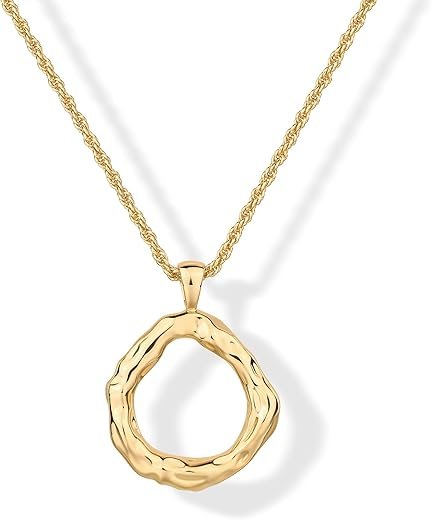
One piece to rule them all — when less is more, make it unforgettable.Pick a single statement item to lead the look: a bold necklace, standout earrings, sculptural bag, or striking shoes. Let this focal accessory dictate the mood and color story.
Keep other pieces simple so the eye lands on one hero. If you choose a necklace, keep earrings minimal; if shoes are dramatic, let jewelry stay subdued. Consider scale: pair oversized pieces with simple silhouettes and delicate statements with intricate clothing.
Use color theory to guide choices. Pick an accessory color that complements the outfit (analogous tones like teal with blue) or creates contrast (complementary pairings like navy and coral) to add energy.
Match the accessory’s formality to the event: choose pearls or a classic watch for work, sculptural metallics for evening, and playful color for weekend looks. Avoid clutter by prioritizing one focal point and adjusting everything else to support it.

Layer and Mix Thoughtfully — Texture & Metal Play
Stack it, don’t match it — mixing metals and textures looks modern when done on purpose.Layer necklaces of varying lengths to add depth: pair a choker, a mid-length pendant, and a long chain so each piece reads. Stack thin bracelets and then anchor them with a single cuff for contrast.
Mix metals by anchoring the look with one dominant metal and sprinkling accents of another to avoid visual discord. Contrast a smooth fabric with a textured accessory—wrap a silk scarf around a leather-handled bag, or wear a woven tote with a satin dress for tactile interest.
Use repetition to unify mixed elements: repeat a color, shape, or motif across pieces so the mix looks intentional. Leave breathing space between layers so details don’t compete; let each necklace or bracelet have its own visual room.
Start with two layers; add a third only if it genuinely improves the composition.

Mind Proportions and Visual Balance
Balance beats symmetry — aim for harmony, not a museum display.Scale accessories to your body and outfit. Delicate jewelry flatters petite frames and busy prints; choose thin chains, small studs, or a slim belt.
Balance a statement on one side with subtler weight elsewhere. If you wear big chandelier earrings, pair them with a simple pendant and a structured bag so attention reads intentional.
Use asymmetry for modern interest. Try one bold earring plus a minimal stud, or a single stacked bracelet on your dominant hand to create an edited, contemporary look.
Consider vertical and horizontal lines to alter perception. Long necklaces and vertical pendants elongate the torso; wide belts and horizontal details define the waist and widen the silhouette.
Use the following quick checks before you step out:
Check proportions in a mirror, and adjust so no single element overwhelms the wearer or contradicts the outfit’s silhouette.

Finish with Cohesive Details and Confident Wear
What’s the secret pro tip? Tiny finishing touches and how you carry them.Polish the look with small, strategic choices. Coordinate hardware—match a gold zipper or buckle to your necklace or ring so finishes read intentional (e.g., gold watch + gold bag hardware). Tuck belt tails into the keeper or fold them under for cleaner lines. Choose shoes that echo a color or texture from your outfit: suede loafers with a suede bag, or patent pumps to pick up a glossy clutch.
Prioritize grooming and tailoring: neat hems, lint-free fabrics, and tidy nails make accessories read luxe. Pick practical fastenings for active days (secure clasps, zip closures) and lighter pieces for hot weather (thin chains, resin or woven bracelets).
Do a final scan in natural light and ask:
Stand tall, relax your shoulders, and own the outfit—confidence elevates even the simplest pieces. Keep a quick “edit” habit: remove one item if the look feels crowded.

Practice, Edit, Own It
Experiment with these steps, edit ruthlessly, and wear them with confidence; practice turns play into a signature approach. Try combinations, refine what feels right, then share your looks online or with friends — show us your style and tag photos now.
40 responses to “How to Accessorize an Outfit Like a Style Pro”
This guide helped me stop hoarding statement belts 😂
I tried layering different textures (silk scarf + leather jacket + beaded necklace) and it actually works surprisingly well. Tip: pick one texture to repeat somewhere else.
Nice tip — repeating a texture or color is a simple trick to create cohesion. Glad the guide inspired a belt detox!
Love the silk + leather combo. It’s that soft vs. tough contrast that makes outfits interesting.
Belt detox = life changing. I also learned that different textures give depth without cluttering the look.
Loved the canvas idea — thinking of my outfit as a blank page totally changed how I pick jewelry.
I tried the “one focal accessory” tip yesterday: chunky gold cuff + simple studs = instant uplift.
Also big fan of the texture + metal play section — who knew mixing matte beads with shiny chains would look so modern?
One thing I still struggle with: proportion when I’m wearing oversized coats. Any quick rules?
Yesss agreement on cuff + studs. For coats I do a long pendant so it peeks out from the front — creates vertical line and stops the outfit from feeling too bulky.
Also consider belt placement! Cinching the coat at the waist can reset proportions so your jewelry doesn’t fight the silhouette.
For oversized coats, try a single bold accessory near your face (earrings or a scarf knot) to draw the eye up, and keep other pieces more streamlined. Balance is key — think ‘top-heavy’ details vs. minimal bottom.
Simple guide, no fluff. My one gripe: examples would help. Like, show ‘focal accessory’ vs ‘too many focal points’ — I have a tendency to overdo it 😂
Great point — visual examples can make a big difference. We’ll add image comparisons in a future update showing one focal piece vs multiple competing pieces.
Totally me too. I started taking quick photos of outfits to see if my brain is lying to me about “just one more thing.” Helps a LOT.
Honestly, practice and edit is the best advice. I still spend 10 mins before leaving, removing one item and then another until it clicks.
The guide’s “own it” bit is underrated — confidence makes even weird combos work.
Yes — editing is where the magic happens. Good tip about the 10-minute rule: try to pick your outfit and then walk away for a minute before final edit.
Same. Confidence is a huge multiplier. Wear something you feel good in and the accessories will read as intentional, not try-hard.
I call it the ‘one-item exile’ method: take one accessory off and leave it on a table. If you miss it, put it back. If not, good call 😂
Okay, long post incoming — tried to apply each step for a week and here are my real-world results:
1) Treated a simple black dress as a canvas: added a chunky belt and it instantly felt new.
2) Chose one focal piece per outfit — necklace, brooch, or belt — and stopped mixing statement pieces.
3) Played with texture: suede bag + shiny bracelet = unexpected but chic.
4) Watched proportions like a hawk; shorter necklace + longer blazer looked best.
5) Final touch: matching the metal on my bag hardware to my jewelry tied everything together.
It worked! Very usable steps, thanks 🙂
So many helpful specifics here. Thanks Eleanor — inspired to try the bag hardware trick.
Amazing — love the step-by-step experiment. Your detailed notes are super helpful for readers who want a template to follow.
Saved this as a checklist — implementing tomorrow. Also, brooches are making a comeback, apparently.
This is the kinda comment I wanted — concrete outcomes. Thanks for doing the experiment and sharing results!
Two tiny critiques: a) the ‘choose one focal accessory’ felt obvious but I needed the reminder lol. b) Would love more on shoes as accessories — they can make or break an outfit imho.
Agree on shoes. A chunky boot vs a sleek heel changes the vibe so much — treat them like the ‘foundation’ of the look.
Thanks! Shoes absolutely count as accessories. We’ll expand that section to cover how footwear can serve as a focal point or support piece depending on the look.
Quick question — does “mix metals” still look modern? I grew up with the rule ‘match everything’ and it’s hard to break it.
Mixing metals is definitely modern when done thoughtfully. Try one dominant metal and introduce another as an accent. Repeat a metal in two places to create cohesion.
Yes! I used to avoid it but now I mix silver hoops with a gold pendant and it feels chic. Just avoid having equal-but-competing pieces with same weight.
Fun read. My partner rolls their eyes when I explain metal mixing rules but honestly the ‘repeat a metal’ tip made me stop looking messy.
Also: wearing a hat = instant extra accessory, even if it’s just a beanie. 😂
Beanies are underrated accessories! They can anchor casual looks and bring color/texture up top. Great note about repeating a metal — consistency reads intentional.
Hats save bad hair days and elevate outfits. Bonus win.
Not sure about the ‘start with the outfit as your canvas’ line — sounds artsy but practical tip would be: pick color base, then pick 2 accent colors max. i find that rule saves time.
That’s a solid practical rule — color base + up to two accents. We’ll add that as a quick-check guideline in the intro.
Two accents is my go-to. Any more and things start to argue with each other. Also pattern scale matters with accents.
Loved section 4 on proportions. For petite frames do you recommend smaller accessories? I feel giant statement necklaces sometimes overwhelm me.
Also, any thoughts on layering delicate necklaces without them tangling? My dogged problem.
If you want the look without the bulk, try a single medium statement + tiny studs. Gives presence without swallowing your frame.
For petite frames, smaller or scaled-down versions of statement pieces usually work best. For necklaces, use different chain lengths and a bit of wax or anti-tangle tools; lay them flat and clasp in order to prevent knots.
I got a multi-chain extender clip that separates chains at the back — game changer. Also, try staggering lengths by at least 2–3 inches.
I appreciate the ‘edit’ approach. One more nitpick: could you add a short shopping checklist for building a versatile accessory drawer? I’m building mine from scratch and would love a starter list.
Yes please — especially something budget-friendly and versatile. I’d like to know where to invest vs. when to buy trendy fast pieces.
Great suggestion — a starter checklist (stud earrings, hoop, pendant, chain bracelet, classic watch, thin belt, statement belt, statement ring, neutral scarf) would be useful. We’ll draft one for the article.
Agree on investment pieces: watch, classic chain, good belt. Trendy stuff can be cheaper and rotated out.