

Flawless Fall Starts with Smart Outerwear
Master fall outerwear confidently: this six-step guide helps you choose flattering silhouettes, practical fabrics, smart color and layering, and finishing touches so outfits stay polished and cozy. I’ll walk you through building a versatile capsule you’ll love wearing all season.
What You’ll Need

Start with the Right Silhouette
Why one coat shape can make you look slimmer, taller, or more put-together — and how to find yours.Identify your body shape: pear, rectangle, apple, hourglass, or inverted triangle. Use that as your map for choosing coat shapes that balance proportions.
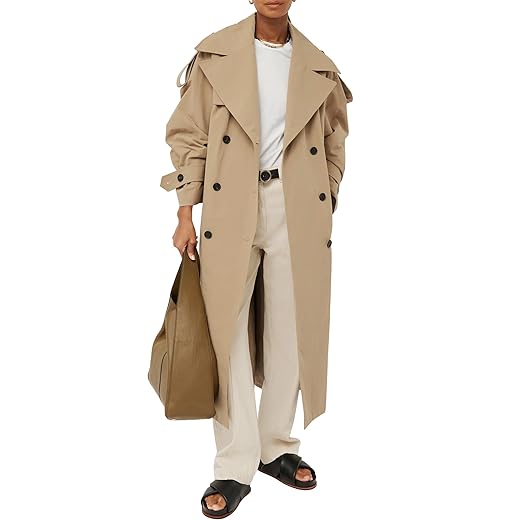
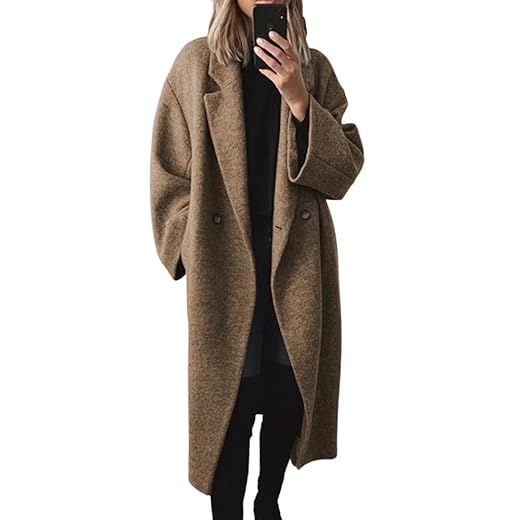
Favor cropped jackets or belted mid-length coats to preserve leglines if you’re shorter. Wear oversized trenches and long wool coats confidently if you’re taller. Adjust shoulder structure to suit the vibe you want.
Test proportions in the mirror from multiple angles and move around: sit, walk, reach. See how the silhouette performs in real life before you commit.
Choose Fabrics That Work, Not Just Look Good
Want warmth without sweating? Here’s how to pick fibers and finishes that handle real fall weather.Prioritize fabric and function to keep outfits stylish and weatherproof. Pick wool or wool blends for warmth and structure; choose cashmere for a soft, luxurious layer; select technical shells or insulated synthetics when you need wind- and rain-resistance. Match insulation to activity: a lightweight wool coat or trench for crisp city days, an insulated parka for wet, cold weekends.
Invest in one high-quality outer layer each year to build a reliable rotation.

Master Color, Pattern, and Texture
Use a tiny pop of pattern or texture to transform a neutral coat into a headline-making outfit.Use color, pattern, and texture strategically to elevate fall outerwear beyond basic warmth. Start with a neutral foundation—camel, navy, gray, or black—then add one or two accent shades that flatter your skin tone and work with existing pieces.
Choose one patterned focal piece—plaid blazer, houndstooth coat, or subtle pinstripe—and keep the rest solid to avoid visual clutter.
Mix textures to create depth: pair a boucle coat with a smooth silk scarf, a shearling collar with leather sleeves, or a quilted vest over a fine-knit sweater. Balance heavier textures with sleeker layers underneath to prevent bulk. Consider scale when mixing patterns: large checks work with fine stripes or solids.
Aim for a cohesive palette that allows mixing and matching across looks throughout fall.
Layer Like a Pro (Without Looking Bulky)
Small tweaks in length and proportion create big style wins — you’ll be surprised how belts and hems change everything.Plan layers with intent: start with thin, moisture-wicking base layers, add midlayers like fine-knit sweaters or lightweight fleece, then finish with the outer coat chosen for protection and silhouette.
Mix lengths to create visual interest—wear a long cardigan under a cropped jacket or a short vest over a long-sleeve top beneath a mid-length coat.
Practical tip: try outfits and snap photos to judge proportion and movement, and refine combinations before committing on cold mornings for easy dressing.

Finish with Accessories and the Right Shoes
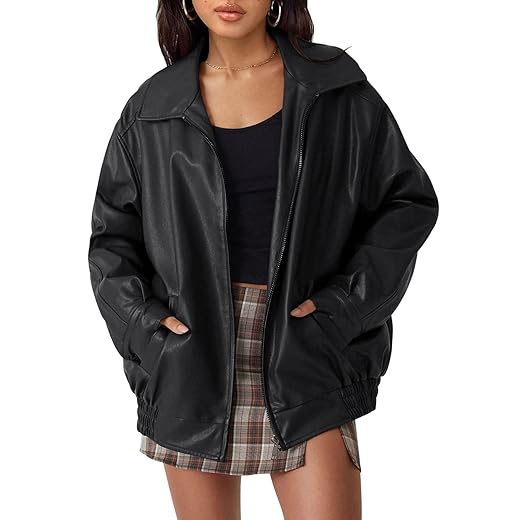
One scarf knot or the wrong boot can make or break your look — choose deliberately.Match boot style to coat length: ankle boots for cropped jackets; knee-high or heeled boots for mid and long coats. Example: ankle Chelseas with a moto jacket, tall boots with a wrap coat to elongate your silhouette.
Use scarves to add warmth and personality—vary knots, volume, and texture. Knot a silk scarf for polish or wear a chunky wool loop for cozy weekend vibes.
Coordinate hats and gloves with your coat or bag for cohesive color or material. Choose bag shape to affect proportion: structured bags sharpen relaxed coats; slouchy bags soften tailored ones.

Build a Capsule and Maintain It
Spend smart, shop less: these formulas and maintenance habits save time, money, and closet headaches.Build simple outfit formulas to take the guesswork out of fall dressing: e.g., slim jeans + mid-length coat + ankle boots; knit dress + belted wool coat + knee boots.
Assemble a capsule with versatile neutrals and one stand-out coat to refresh looks easily.
Prioritize fit and fabric when shopping—try layers during fitting and factor in alteration costs up front.
Care for garments and follow care labels to extend life.
Track which outerwear you wear; replace or repair pieces to keep your capsule efficient and sustainable.
Stylish, Practical, Repeatable
Follow these six steps—silhouette, fabric, color, layering—to build intentional, functional fall outerwear; refine a capsule to simplify mornings, save money, and look polished. Try the system this season and share your outfits and feedback to inspire others today; tag us
39 responses to “6-Step Guide to Flawless Fall Outerwear Styling”
Quick heat-tech tip: I never leave home without a thin heat-tech-ish base layer on chilly mornings. It’s invisible and makes bulk-free layering so much easier.
Also, the ‘stylish, practical, repeatable’ motto is my new life mantra. 😄
Curious which brands people recommend for good base layers that don’t feel too ‘athletic’?
Love that — base layers are underrated. Thanks for the endorsement of the motto! We wanted something easy to remember for daily dressing.
Agree. Unseen layers = game changer. Also, packable warmth is a must for unpredictable fall weather.
Minor critique: the guide mentions ‘maintain your capsule’ but could give more specifics about cleaning and storage. I ruined a wool coat once by improper storage — sad times.
Would love an add-on about seasonal care (moth-proofing, brush vs. dry-cleaning intervals, etc.).
If you spot a small stain, use a gentle detergent and cold water for spot cleaning before resorting to full dry-cleaning.
Pro tip: sew a spare button on the inside label when you buy a coat. Saved my butt twice.
Also, rotating coats reduces wear — don’t wear the same one every day. That helped my coats last way longer.
Thanks for the feedback, James — great point. Short suggestions: brush wool after wear, spot clean when possible, dry clean once a season (or as needed), use cedar blocks or lavender sachets for moth deterrent, and store off-season coats in breathable garment bags.
Solid tips on fabric choice. Wool blends for warmth, but don’t sleep on technical parkas for rainy fall days.
That said, the guide barely mentioned breathability — I sweat if I over-layer. Anyone got go-to breathable fall layers that still look put-together?
Good call, Noah. Breathability is huge. Try merino wool base layers and mid-layers like lightweight down or a thin quilted vest. Also technical membranes (Gore-Tex or similar) in outer shells help with moisture management.
If you want both style and breathability, a cotton-linen blend shirt under a lightweight wool blazer is surprisingly comfy on milder fall days.
Merino tee + thin fleece mid-layer — works like a charm. Also, zip vents on parkas are underrated for temp control.
Small rant: why do some ‘fall trends’ push puffy everything? The guide’s ‘without looking bulky’ advice was a relief.
I feel like fashion mags forget that real people commute, walk dogs, carry bags — practicality matters. Loved the balance in this piece. 🙂
We hear you — fashion should be wearable. That’s why we emphasized silhouette balance and smart layering. Puffies are fine if proportional; consider cropped puffs or belted shapes to avoid the ‘inflated bubble’ look.
Amen. Function-first: pockets, hoods, water resistance. Style second, always.
Wanted: affordable capsule wardrobe tips. The capsule section had nice ideas but seemed light on budget options. Any suggestions for building a fall capsule without dropping $$$ on designer coats?
Totally fair. Focus on 2-3 versatile coats (neutral bomber or trench, a mid-length wool for dressier days, and a rainproof shell). Shop classic cuts at mid-market brands, swap seasonal items via consignment, and prioritize durable fabrics for outerwear to extend lifespan.
Thrifted wool coats have saved me. Clean seams + a good tailor = look like new. Also try seasonal sales — end-of-winter deals are gold.
Look for heavy-duty blends rather than 100% cheap synthetics. A $150 coat that lasts 5 seasons beats a $60 one that falls apart after one.
Five-line comment incoming:
I really appreciated the ‘finish with accessories’ step.
It reminded me that a hat can change the whole vibe of an outfit.
Tried the beanie + structured coat combo and felt like a million bucks.
Keep the hats coming in future guides! 🎩
Love that you experimented, Priya! Beanies with structured coats are a great juxtaposition. If you want more hat ideas, we can add a mini-guide on shapes and face types in a follow-up.
Agreed — hats are underrated. Felt fedoras for dressier days, knit beanies for casual. Just match the seasonality (no straw in October pls 😆).
I adore the color/pattern section. Mixing textures is honestly the easiest way to look intentional without trying too hard.
But TBH, I still panic when mixing patterns — plaid coat + striped scarf? Too much? My brain freezes 😂
Pattern mixing can be subtle: vary scale and keep a shared color between pieces. Small-scale stripes with a larger plaid works better than two similarly scaled patterns. And neutrals help ground the combo.
Pro tip: stick to one bold pattern and pair it with tonal textures (corduroy, knit) so it doesn’t compete. Saves my brain some effort 😅
I’ve done plaid coat + tiny polka dot scarf and it read chic, not loud. Scale is the trick. Also keep colors within the same temperature (both warm or both cool).
Accessory section = chef’s kiss. A good scarf and a structured bag really elevate a basic coat.
Also, can someone convince me that loafers with socks in fall are okay? I oscillate between classic and ‘trying too hard.’ 😂
Also, sock length matters — crew or quarter are my go-tos. No-show socks with loafers feel lazy for fall IMO.
I pair smart colored socks with loafers for a bit of personality. Works for casual Fridays and dates alike.
Loafers with socks are totally fine — just aim for quality socks (ribbed or merino) and coordinate the color palette. If you want to be classic, match sock tone to trouser or shoe for a longer line.
My thing: textured socks (like cable knit) with loafers look very Autumn-y and cozy, not awkward. Try neutral tones first.
Loved the silhouette section — finally someone saying boxy isn’t the enemy! I swapped my oversized coat for a slightly tailored one last fall and it actually made layering feel intentional, not like I’m wearing a blanket 😅
Quick Q: for petite frames, is mid-thigh length better than knee-length? The guide hinted at silhouette balance but I’d love a practical rule of thumb.
I’m also on the short side — mid-thigh coats with high-waist bottoms work wonders. Taller boots or heels = instant length. Totally agree on ditching heavy shoulder pads.
Great question, Emma! For petite frames, mid-thigh or slightly above-knee usually helps elongate legs, especially when paired with a streamlined boot or slim jeans. The key is keeping proportion — avoid heavy bulk at the shoulders and consider a single-breasted closure for less visual width.
Layering tips were spot on — especially the bit about avoiding bulk at the shoulders.
But I’m still confused about sleeve length when layering: do you aim for the inner layer to poke out or to be hidden? I’ve seen both looks and can’t decide which is ‘right.’
Either can be right depending on the vibe. For a polished look, let a small bit of inner-cuff show (about 1/4 to 1/2 inch). For a relaxed look, keep sleeves the same length so nothing peeks out. Key is consistency with the rest of the outfit.
I like a little cuff showing — adds depth. But if your inner layer is bulky, hide it. Function > rules.
If you’re layering sweaters under coats, make the sweater sleeves slightly shorter so the coat sleeve sits properly. Otherwise you get that awkward scrunched look.