
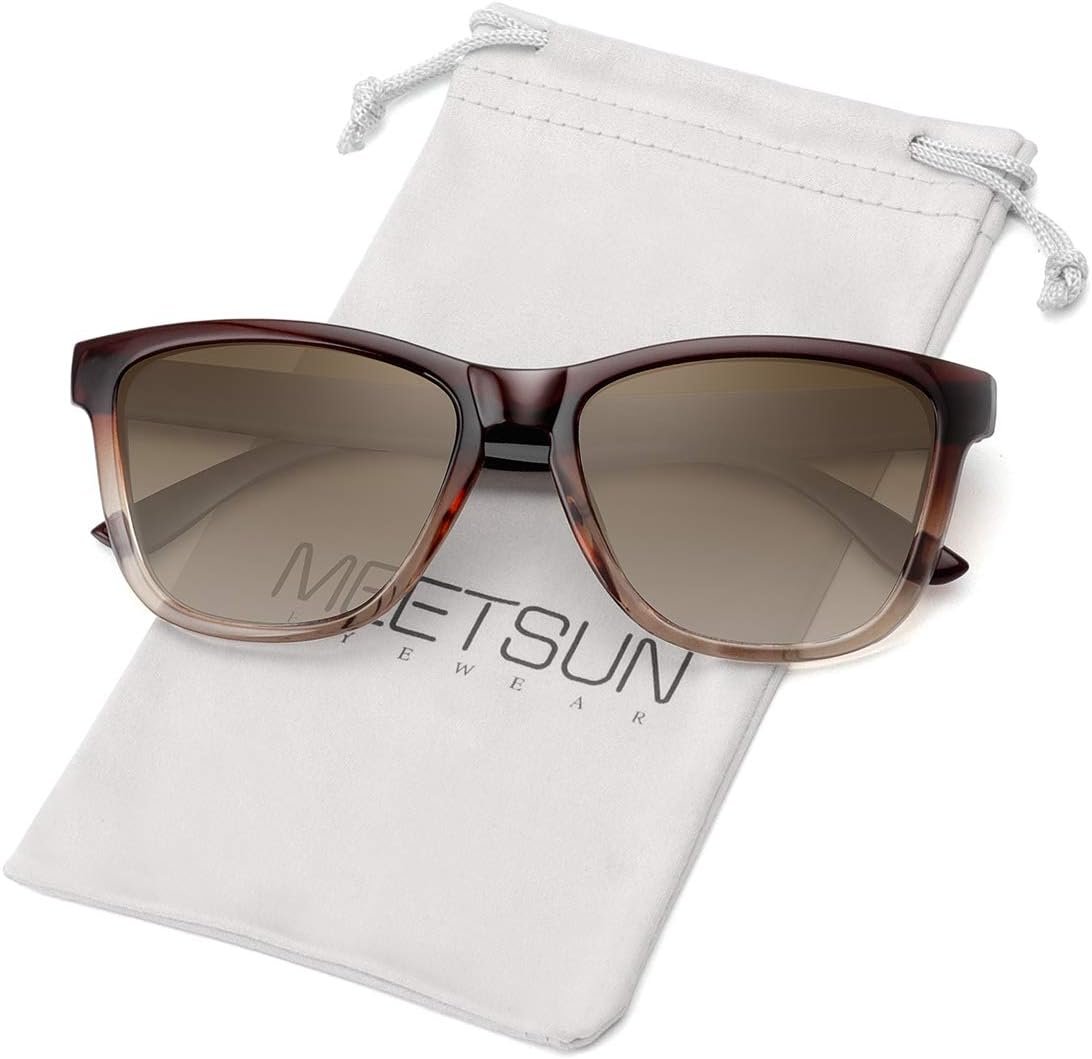
Find Your Perfect Shades: Why Face Shape Matters
Choosing sunglasses that suit your face shape makes a big difference. The right frames improve fit, add balance, and highlight your best features. Poorly chosen shades can overwhelm or hide your face.
This guide combines a quick interactive quiz with clear visual cues. It simplifies how to identify your face type and shows which frames work best. You’ll get a tailored recommendation, not a one-size-fits-all rule.
Plus, we cover color, lens options, and practical try-on tips. Short visuals and step-by-step advice make shopping faster and more confident. Start the quiz and find sunglasses that feel like they were made for you. Ready to discover a better fit? Let’s get started with a quick, fun test now.


Identify Your Face Shape: Simple Steps and Visual Cues
Quick tools: mirror, selfie, tape
Stand in front of a mirror with hair pulled back, or take a straight-on selfie in natural light. Use a soft measuring tape (or a ruler against the photo) to record three simple measurements: forehead width (widest point), cheekbone width (across the widest part), and jawline width (across the jaw at its widest). Finally, note face length from hairline to chin.
Step-by-step at-home method
This quick routine takes two minutes and gives reliable clues. For precision work like brow mapping, small accessories can help—try the KINGMAS 100-Pack Disposable Eyebrow Ruler Stickers for symmetry practice.
The common face shapes (and visual cues)
Hair, beard, and mixed types
Hairstyles and facial hair can shift perception: bangs shorten an oblong face; a cropped beard can square a round face. If you see two traits (e.g., high cheekbones of a diamond but a longer length of oblong), treat yourself as a mixed type—pick frames that balance the strongest feature.
Next up: take the interactive quiz to confirm your shape and get personalized frame matches based on your answers.
Take the Interactive Quiz: How It Works and What You’ll Learn
What the quiz asks
The quiz is short and focused—designed to translate a few observations into actionable frame choices. Expect questions about:
How answers are weighted
Not all answers carry equal weight. The quiz typically weights inputs like this (example breakdown):
This weighting keeps fit and balance as the primary drivers while letting style and use refine the final suggestions.
From answers to frame recommendations
Algorithms map proportions to frame geometries (e.g., angular frames add contrast to round features; rounded frames soften square jaws) and then filter by lifestyle needs (sport-ready, polarized drivers, etc.). The result is a short list of 3–5 recommended shapes with specific model suggestions (e.g., classic Wayfarer, slim metal aviator, bold cat-eye).
To illustrate: if you note a long face, love vintage looks, and frequently drive, the quiz might recommend a wider browline frame with polarized lenses and show both a budget and premium option.
A sample user journey
- Upload or take a straight-on selfie (optional).
- Answer four quick measurement questions and three lifestyle/style prompts.
- See an instant result page: primary face-shape match, two alternates, and why each works.
- Click “Try On” to preview frames on your photo or get links to buy or save favorites.
Handling mixed or uncertain shapes
If your inputs conflict, the quiz shows blended recommendations and asks clarifying follow-ups (e.g., “Do you prefer to downplay your cheekbones or emphasize them?”). It prioritizes balance and offers multiple style directions rather than a single prescription.
Accessibility & device compatibility
The quiz supports mobile and desktop, keyboard navigation, screen-reader labels, high-contrast themes, and a text-only mode (no camera required). Camera permissions are optional—there’s always a manual-entry path for privacy-conscious users.
Next, we’ll translate those quiz results into concrete frame-shape matches and explain why each choice flatters your features.
Match Frame Shapes to Face Types: Best Picks and Why They Work
Oval faces
Ideal frames:
Oval faces are balanced and can carry most shapes. Choose frames that maintain that natural harmony—avoid tiny, narrow frames that shorten the face. For a real-world example, try a classic Wayfarer for everyday versatility or a slim metal aviator for a vintage vibe.
Round faces
Ideal frames:
Angular frames add definition and visually lengthen the face. Think of them as architectural lines that create contrast with soft curves. Avoid fully round frames and very small circular lenses that emphasize roundness.
Square faces
Ideal frames:
Curved and rounded frames soften strong jawlines and broad foreheads. Stylists often recommend thin metal rims to reduce visual weight. Avoid boxy, wide rectangles that reinforce squareness.
Heart-shaped faces
Ideal frames:
Frames that balance a wide forehead and narrow chin—like cat-eyes that widen the lower face—work well. Avoid narrow top-heavy frames that make the forehead look larger.
Diamond faces
Ideal frames:
Because cheekbones are the widest point, choose frames that emphasize the eyes and soften the cheek area. Wider frames with gentle curves help highlight your features. Avoid overly angular, wide frames that clash with high cheekbones.
Oblong/Long faces
Ideal frames:
Wider, taller frames reduce perceived face length and add balance. Look for styles with higher visual width across the temples. Avoid narrow, short frames that elongate the face further.
Frame size, bridge fit, and temple placement — quick rules
Next, we’ll fine-tune choices by matching frame color and lens options to skin tone and lifestyle needs.
Color, Lens Options, and Skin Tone: Fine-Tuning Your Choice
Frame color: complement or contrast?
Think of frame color as an accessory that either blends with your natural coloring or deliberately pops. Use these quick checks to decide:
For hair color: blondes often look great in soft pastels or light tortoise; brunettes can carry deep tortoise, black, or jewel tones; redheads pair beautifully with greens and warm tortoises. If your wardrobe is mostly neutrals, a bright frame (cobalt, cranberry) makes a confident focal point; if you dress loud, pick subtler frames to avoid visual overload.
Lens tints by activity
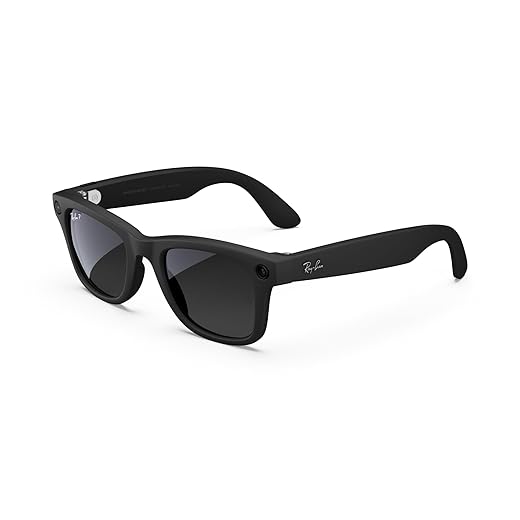
Match tint to purpose, not just style:
Lens technologies — pros & cons
Materials, mixing metals, and style pairing
Next up: practical fit, try-on techniques, and shopping strategies to make these color and lens choices feel great on your face.
Practical Fit, Try-On Tips, and Shopping Strategies
Measure for comfort: temple, bridge, and frame width
Before you buy, measure a pair that already fits comfortably. Use a ruler or caliper and note:
Quick how-to: lay the glasses flat and measure temple from hinge to tip, bridge between lenses, and lens width left-to-right. Bring these numbers when shopping online or to the store.
Nose pads and pressure points
Check nose-pad placement and temple pressure in person or during a video try-on. Good signs:
If pads are off, ask for adjustment or swap to a different pad shape/material (silicone vs. vinyl). Spring hinges reduce temple pressure and improve fit.
Use virtual try-ons effectively
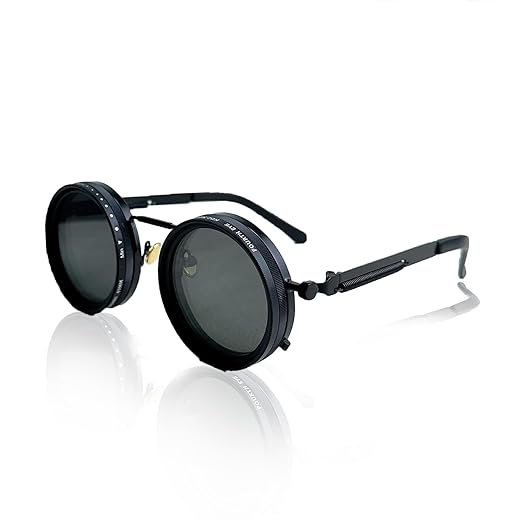
To get the most from AR try-ons:
In-store fitting tips
Ask staff to:
Returns, warranties, and buying decisions
Look for:
Maintenance and when to see an optician
Daily care:
Consult an optician for prescription sunglasses if you have high prescriptions, astigmatism, progressives, or persistent fit/comfort issues. They’ll ensure lens centration and proper optical alignment.
Next, we’ll put everything together so you can choose sunglasses that look great and feel even better.
Put It All Together: Confident Choices, Stylish Results
Combining face-shape insight, the interactive quiz, and the visual guide gives you a clear roadmap to sunglasses that both flatter your features and feel comfortable. Use the quiz to narrow frame shapes, reference the visual guide to compare proportions, and experiment with colors and lens types to match your skin tone and lifestyle. Prioritize fit—bridge width, temple length, and lens coverage—so style doesn’t sacrifice comfort.
Ready to find your perfect pair? Try the interactive quiz, explore the visual recommendations, and don’t be afraid to try bold colors or different lenses. When you balance confidence, comfort, and personal taste, you’ll end up with sunglasses that look great and make you feel great everyday.


Leave a Reply