Outsmart the Storm: Urban Waterproof Outerwear That Delivers

Outsmart the Storm: Urban Waterproof Outerwear That Delivers

Why Urban Waterproof Outerwear Matters

City weather is unpredictable, and a sudden downpour can derail your commute, meetings, and plans. Urban waterproof outerwear keeps you dry without sacrificing mobility or style.

Commuters face a mix of rain, wind, and splash from traffic. Good outerwear protects from moisture while managing body heat during brisk walks or crowded transit.

Beyond protection, the right jacket balances function and looks: breathable fabrics, taped seams, and smart pockets make daily life easier. This article helps you choose and care for waterproof jackets and coats that perform in real city conditions.

Expect clear explanations, practical buying tips, and maintenance advice so your outerwear lasts and keeps you comfortable through many urban seasons without sacrificing your style.

Best Value
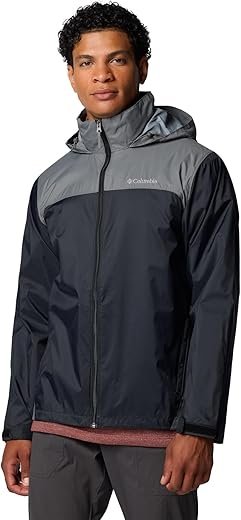
Columbia Glennaker Lake II Packable Rain Jacket
Amazon.com
Columbia Glennaker Lake II Packable Rain Jacket
Best for Heavy Rain
Lightweight Men's Hooded Waterproof Hiking Rain Jacket
Amazon.com
Lightweight Men's Hooded Waterproof Hiking Rain Jacket
Best Seller
Columbia Watertight II Lightweight Packable Rain Jacket
Amazon.com
Columbia Watertight II Lightweight Packable Rain Jacket
Must-Have
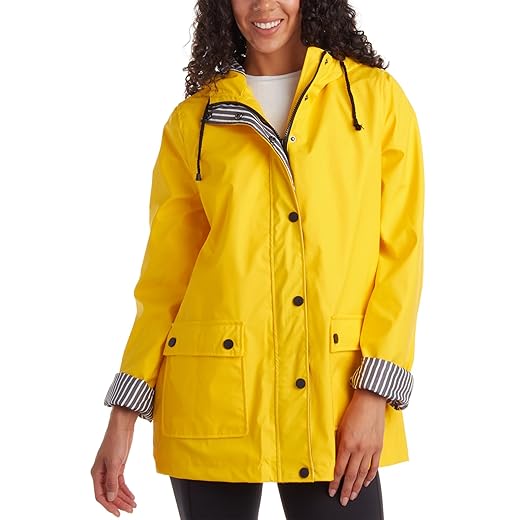
URBAN REPUBLIC Women's Lightweight Waterproof Windbreaker Jacket
Amazon.com
URBAN REPUBLIC Women's Lightweight Waterproof Windbreaker Jacket
1

What β€˜Waterproof’ Really Means: Materials and Technology

Waterproof vs. Water‑Resistant vs. Water‑Repellent

Water‑repellent: a treated fabric that beads water on the surface β€” good for light drizzle and short exposure.
Water‑resistant: tighter weave or light coating that slows wetting; okay for splashes or brief showers.
Waterproof: a continuous barrier (membrane or robust coating) that prevents water penetration even under pressure β€” what you want for sustained rain or standing water.

Membranes: microporous vs. hydrophilic

Microporous membranes have tiny pores that block liquid water but let vapor escape β€” excellent breathability for high-output activities like biking. Hydrophilic membranes move moisture vapor chemically, no pores, so they perform better in cold, low-pressure situations and resist clogging from oils.

Best for Heavy Rain
Lightweight Men's Hooded Waterproof Hiking Rain Jacket
10,000mm waterproofing with breathable membrane
Designed for outdoor activity, this jacket offers a 10,000mm waterproof rating and 8,000 g/mΒ² breathability to keep you dry while wicking moisture. Fully taped seams, waterproof zippers, and ventilation options help manage heat and prevent leaks.

Pros and cons:

Microporous: high breathability, good for heavy exertion; can fog or clog with oils and dirt.
Hydrophilic: quieter, less prone to clogging; sometimes less breathable under intense exertion.

Coated fabrics (PU, TPU)

PU (polyurethane) and TPU (thermoplastic polyurethane) coatings/laminates create a waterproof layer bonded to fabric. These are common in budget to midrange shells.

Pros and cons:

Pros: durable, cost-effective, can be softer/softer-feeling; good for urban commuters who want a simple rain barrier.
Cons: generally lower breathability than premium membranes; heavier or stiffer in cold weather.

DWR, seam sealing, and waterproof zippers

DWR (durable water repellent) makes water bead off outer fabric; it’s sacrificial β€” reapply after it dulls.
Seam sealing (taped or welded) prevents leaks where panels meet β€” look for fully taped seams on true waterproof garments.
Waterproof zippers or internal storm flaps stop water at common entry points; critical for long exposure.

Quick tips:

Check for fully taped seams, waterproof zips, and hood adjustability for urban winds and umbrella-less commutes.
Reapply DWR annually or after machine-washing to restore performance.

Breathability metrics β€” MVTR and RET

MVTR (g/mΒ²/24h): higher values mean more moisture passes; >10,000 is good for strenuous activity.
RET: a lower number is better; RET <6 = very good breathability; >20 = poor.

How that matters in the city:

Walking or crowded transit: moderate breathability suffices; aim for RET 6–12 so you don’t sweat in a packed subway.
Biking or brisk commuting: choose high-MVTR / low-RET membranes or shells with pit zips to shed sweat quickly.

Match the tech to your routine β€” a quiet, coated shell for light rain and meetings; a high-breathability membrane for sweaty, long commutes.

2

Urban Use Cases: Matching Outerwear to Your Daily Routine

Commuting by bike (short or long)

If you pedal through traffic, prioritize breathability, mobility, and visibility. Look for hard-shells or high-performance coated shells with:

helmet-compatible, adjustable hoods
articulated sleeves and gusseted arms for a full pedal stroke
pit zips or high MVTR membranes for ventilation
reflective details and a close cut that layers under a backpack

Decision rule: prioritize breathability over heavyweight waterproofing β€” you’ll sweat more than you’ll soak.

Walking and errands

For errands and short walks, lightweight, packable protection wins. A trench-style waterproof or a thin coated shell gives a smarter silhouette while keeping rain at bay. Choose a longer cut if you won’t carry an umbrella; shorter cuts are better for mobility and stairs.

Best Seller
Columbia Watertight II Lightweight Packable Rain Jacket
Classic lightweight waterproof jacket with Omni-Shield
A dependable, packable rain jacket made from waterproof, seam-sealed nylon that repels moisture with Omni-Shield technology. It includes zippered pockets, adjustable cuffs and hem, and packs into its hand pocket for easy storage.

Public transit waits and mixed weather

Transit riders face temperature swings: damp platform waits, crowded cars, then windy streets. Soft-shells with DWR or a midweight insulated jacket with a waterproof shell layer work well. Key features:

moderate breathability to avoid overheating on-board
a hood that stows cleanly to avoid wetting seats
packability so you can fold it into a tote or locker

Decision rule: balance warmth and packability β€” if your commute includes long platform waits, add a light insulated midlayer under a waterproof shell.

Business-casual commutes and meetings

When you need to arrive neat: choose trench-style waterproof coats or minimalist hard-shells with a clean finish (think Mackintosh, Rains Long Jacket, or a sleek coated shell). Look for:

longer length to protect suits and briefcases
a structured collar or hidden hood for a polished look
low-noise fabrics so your jacket doesn’t announce every turn

Decision rule: prioritize appearance and protection over high exertion features.

Weekend active trips and rainy hikes

For longer outings and variable terrain, pick a hard-shell with a high-performance membrane, or a soft-shell for dry-but-damp conditions. Prioritize:

durability and abrasion resistance for trails
ventilation (pit zips or removable layers) for changing intensity
compatibility with a backpack hipbelt (shorter hems or drop-tail designs)

Quick tip: if you switch between city and trail on weekends, a lightweight hard-shell with a roomy cut fits both worlds.

Use these practical rules to map jacket categories to how you move through the city β€” and you’ll find gear that keeps pace without excess bulk or compromise.

3

Fit, Features, and Design: Practical Details that Make a Difference

Fit and cut: room to move, room to layer

City rainwear must balance sleek lines with real-world movement. Aim for:

a trim silhouette that still allows a light midlayer (sweater or blazer) without ballooning
articulated sleeves and gusseted underarms for reach β€” useful when hauling groceries or shouldering a messenger bag (think Arc’teryx Beta SL-style mobility)
hem length matched to use: hip-length for cycling and transit, thigh- or knee-length for business attire and umbrella-free commutes

A jacket that’s too tight will compromise waterproof seams and restrict motion; too loose looks sloppy and traps wind.

Hood designs: the difference between usable and useless

Good hoods made or break a wet-weather commute. Look for:

multi-point adjustment (crown and face) that stays put in wind
stowable hoods or hidden collars for a polished look on arrival (Rains’ long coat silhouettes)
helmet-compatible cut for cyclists that still shields the face
Must-Have
URBAN REPUBLIC Women's Lightweight Waterproof Windbreaker Jacket
Stylish hooded protection for everyday and travel
A slim, lightweight women’s rain jacket with a roomy hood and adjustable closures for a secure, flattering fit. Breathable, waterproof fabric resists wind and moisture, making it ideal for commuting, travel, or light hiking.

Pockets, closures and storm protection

Pocket placement is practical style: chest or vertical zip pockets stay accessible with a backpack; lower hand pockets should be fleece-lined for warmth. Closure details matter:

waterproof zippers or covered zippers for a clean look
storm flaps over main zips to block spray and extend zipper life
secure internal pockets for wallet/phone protection

Adjustable hems, cuffs and ventilation

Small adjustments let a jacket adapt from brisk walk to a crowded train:

cinchable hems keep drafts out and sit cleanly under a briefcase strap
Velcro or thumb-loop cuffs seal sleeves and prevent sleeve-lift
pit zips, two-way front zips, or mesh-lined vents offer on-the-go climate control without dumping style

Reflectivity and reinforcements

Subtle reflective trims on zips, hem, or piping increase nighttime visibility without shouting β€œtechnical.” Reinforced overlays at shoulders, cuffs, and hem fend off abrasion from bags and frequent use.

How to try it on: a quick checklist

When trying a jacket in-store, wear the layers you normally commute in (buttoned shirt, light sweater). Then:

reach overhead, swing arms, mimic biking posture to test mobility
zip and hood up; check peripheral vision and jaw clearance for phone calls
load pockets with a phone and wallet to feel how it carries

These design choices let you march through a downpour looking composed instead of drenched. Next, we’ll cover how to keep that performance intact with simple care and maintenance.

4

Care, Maintenance, and Extending Performance

Quick diagnostics: know when protection has faded

Do these two simple tests to spot waning waterproofing:

Beading test: sprinkle water on the outer fabric. If droplets bead and roll off, DWR is working. If water soaks in or darkens the fabric, it’s time for reproofing.
Inside-wetness check: put the jacket on and press the fabric from the outside with a damp hand; if moisture transfers through to the inner lining within seconds, seams or membrane performance may be compromised.

Cleaning frequency and safe methods

Urban commuters: wash outerwear when visibly dirty or every 8–12 wears (more often if you bike through grime). Steps:

Close zips, empty pockets, brush off grit.
Use a specialist cleaner (Nikwax Tech Wash, Granger’s Performance Wash or Gear Aid Revivex) β€” regular detergent and fabric softener strip DWR and block breathability.
Machine wash on gentle, cold-to-warm cycle; rinse twice if possible. Air dry or tumble low only if the care label allows.

Restoring DWR and heat activation

After a thorough wash, restore repellency:

Wash-in treatments (Nikwax TX.Direct Wash-In) are easy for full garments.
Spray-on DWR (Granger’s Revive or Gear Aid spray) targets outer faces and is good for hoods and shoulders.
Many DWRs reactivate with brief heat: tumble on low for 10–20 minutes or gently iron with a cloth barrier β€” always follow the garment label.

Seams, delamination and zippers

If taped seams start peeking or leaking, re-taping or resealing is possible:
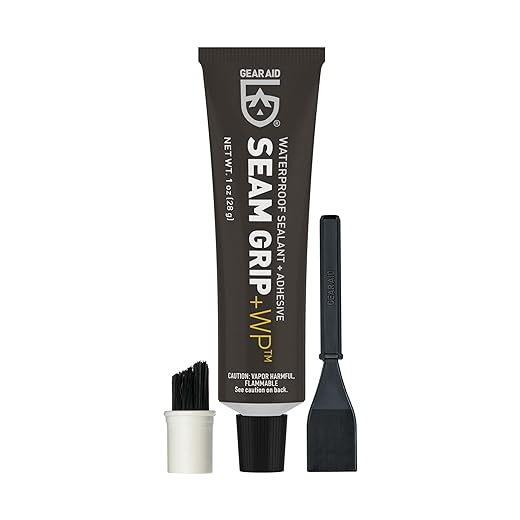
Small seam leaks: clean, dry, then apply seam sealant per instructions. For larger tape lifts, replace tape with an iron-on seam tape kit or seek pro re-taping.
Must-Have
Gear Aid Seam Grip WP Waterproof Repair Sealant
Flexible, permanent sealant for outdoor gear repairs
A clear, waterproof sealant and adhesive that bonds to nylon, canvas, vinyl, and more to repair rips and seal seams. Cures to a flexible rubber seal, covers up to 12 feet per 1 oz tube, and includes an applicator brush for precise fixes.

Delamination (membrane separating from face fabric) is usually beyond DIY repair; consult manufacturer repair or a professional re-lamination service. For zipper hiccups, try:

Lubricate slider with paraffin, beeswax, or a silicone zipper lubricant.
Replace a worn slider with a zipper-repair kit; a stuck zipper often frees with gentle back-and-forth work, not brute force.

Quick at-home fixes and repair options

Patch small tears with Tenacious Tape or adhesive repair patches for immediate protection.
Use Seam Grip WP for seam holes and worn cuff edges.
For major repairs, use brand repair programs (e.g., Patagonia Worn Wear, Arc’teryx repairs) or local gear-repair shops; keep receipts and register high-end pieces for warranty coverage.

Safe storage and tips for heavy urban use

Store clean and dry, hung or loosely folded in breathable bagsβ€”never compressed in plastic. Rotate jackets if you commute daily; a rotation reduces wear and extends life. Treat your raincoat like a tool: small, timely fixes save you replacement costs and keep you confidently dry.

Next up: how sustainability, budgeting, and smart buying decisions lock in long-term value and lower environmental impact.

5

Sustainability, Budgeting, and Smart Buying Strategies

Money vs. miles: balancing cost, durability, and repairability

Think beyond the sticker price. A cheap PU-coated shell may save cash now but can fade fast; higher-end membranes (think Gore-Tex, ePE membranes) and durable face fabrics often outlast them. Do a quick cost-per-wear thought experiment: a $150 jacket you wear 100 times over two years costs $1.50 per wear; a $400 jacket that lasts six years with 300 wears is $1.33 per wear. Durability and repairability usually lower long‑term cost and waste.

Materials, certifications, and transparency

Look for recycled face fabrics, PFC-free DWR, and clear supply-chain information. Certifications like Bluesign, OEKO-TEX, and Responsible Down Standard signal lower impact. If a brand publishes factory locations, material sourcing, or repair statistics, that transparency is a good sign of long-term thinking.
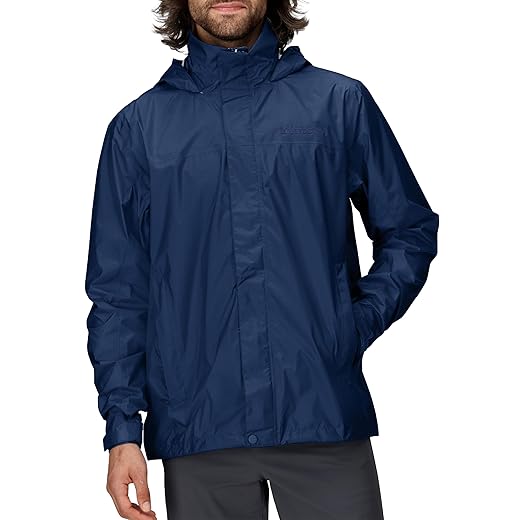
Eco-Friendly Favorite
Marmot Precip Eco Lightweight Waterproof Men's Jacket
PFC-free DWR and breathable NanoPro membrane
A breathable, waterproof jacket built with Marmot NanoPro fabric and PFC-free DWR for reliable rain protection without harmful chemicals. Fully seam-taped with pit zips for ventilation, zippered pockets, and stows into its own pocket for convenience.

Buy used, repair first, and choose recyclable options

Used outerwear is often the best sustainability bargain β€” you get durability at a fraction of the price. Repair whenever possible: replacing a zipper or re-taping seams keeps functional gear in service. When buying new, favor jackets designed for disassembly (separable zippers, replaceable hoods) or brands with take-back/recycling programs so the garment doesn’t end up in landfill.

Practical buying strategies you can apply today

Prioritize fit and core features (hood shape, hem drawcord, pocket placement) over bells and whistles.
Choose modular, repair-friendly construction: accessible seam-taping, common zipper sizes, and removable parts.
Compare expected lifespan: read reviews about longevity and check warranty/repair policies.
Factor in care costs: specialist washes and periodic DWR treatments are small annual expenses that extend life dramatically.

Quick shopping checklist

Try it on with the layers you actually wear; check sleeve length and mobility.
Confirm materials: recycled fabric? PFC-free DWR? Membrane type?
Ask about repairs/warranty and whether replacement parts are available.
Calculate rough cost-per-wear based on realistic use (commute frequency Γ— years expected).
Consider certified used options or outlet models from reputable brands.

With these strategies you’ll pick outerwear that keeps you dry while minimizing environmental and financial regret β€” next, we’ll wrap up with how to move confidently in the city rain.

Stay Dry, Move Confidently

Understanding what β€œwaterproof” actually means, matching garments to your urban routine, prioritizing fit and practical features, and committing to regular care are the essentials that keep you dry and comfortable. Choose materials and technologies that fit your activity level, look for taped seams, durable water‑repellent finishes, breathable membranes, and thoughtful urban design details so your outerwear performs when it counts.

Before your next purchase, assess daily needsβ€”commute type, weather exposure, layering, and storageβ€”and weigh sustainability and budget. Use the article’s checklist to compare options, try pieces with purpose, and invest in the garment that aligns with your life. Make a quick checklist today and test a few fits this week ahead.

Β«
Β»

35 responses to “Outsmart the Storm: Urban Waterproof Outerwear That Delivers”

  1. Anita Singh Avatar
    Anita Singh

    I appreciated the sustainability section. Wanted something affordable and green β€” Marmot Precip Eco seemed like a good middle ground compared to the cheaper URBAN REPUBLIC windbreaker.
    Question: for city use, is paying more for Marmot vs Columbia Watertight II worth it, sustainability-wise? I’m trying to balance price and planet.

    1. Sophie Chen Avatar
      Sophie Chen

      If you only need it for occasional rain, the cheaper jacket is fine. But if you want longevity and better materials, Marmot tends to outlast budget shells.

    2. Ava Wilson Avatar

      Great question. Marmot’s eco lines use recycled materials and sometimes PFC-free DWRs, which is a plus. The Columbia Watertight II is often cheaper and still durable. If sustainability is a priority, Marmot (or look for items with clear recycled content and PFC-free treatments) is worth the premium.

    3. Ben Foster Avatar
      Ben Foster

      Also check for brands with repair programs β€” that extends life and is a big sustainability win.

    4. Ava Wilson Avatar

      And remember: caring for the jacket properly (washing correctly, reproofing) will extend any jacket’s lifespan and reduce the need for replacements.

  2. Tom Nguyen Avatar
    Tom Nguyen

    Marmot Precip Eco has been surprisingly durable for me. Love that it’s eco-minded and still performs.

    1. Derek Avatar
      Derek

      Mine’s about 3 seasons and still doing fine. I treat the DWR once a year and it’s good.

    2. Ava Wilson Avatar

      Nice β€” Marmot Precip Eco is often praised for that eco/performance balance. How long have you had yours?

  3. Ben Foster Avatar
    Ben Foster

    Pro tip: Keep a mini tube of Gear Aid Seam Grip WP in your kit. I patched a ripped cuff on a rainy festival day and it kept things dry till I could do a proper repair at home. Patch cures fast and is flexible.
    Also β€” don’t forget seam tape for bigger jobs.

    1. Anita Singh Avatar
      Anita Singh

      Can you apply Seam Grip on coated fabrics? I once made a sticky mess but maybe I did it wrong.

    2. Mark Lewis Avatar
      Mark Lewis

      You can, but test a tiny spot first. Some coatings react oddly; best to roughen the area slightly if adhesion is poor.

    3. Ava Wilson Avatar

      Totally β€” Seam Grip WP is handy for quick fixes. For larger seam failures, a combination of seam tape and Seam Grip as reinforcement works well.

  4. Derek Avatar
    Derek

    Fashion police alert: if your jacket screams ‘I’m prepared for rain’ maybe you’re overdoing it. 😜
    I keep things minimal with a clean Columbia Watertight II Lightweight Packable Rain Jacket and a nice beanie. Waterproof and not a tent.
    Also the URBAN REPUBLIC windbreaker is surprisingly chic for cheap β€” not full-on mountaineering but great for coffee runs.

    1. Anita Singh Avatar
      Anita Singh

      Agree β€” sometimes the understated ones are the most practical. The URBAN REPUBLIC does the trick unless you’re facing a real storm.

    2. Ava Wilson Avatar

      Haha, styles vary β€” but always good when gear is both functional and low-key. Watertight II is a popular pick for urban minimalists.

  5. Rachel Porter Avatar
    Rachel Porter

    Sizing heads-up: I ordered the Columbia Glennaker Lake II Packable Rain Jacket in my usual size and it was a bit boxy with layers underneath. The article’s fit section is useful β€” maybe size down if you want a sleeker look.
    Also: the pockets sit weird with a crossbody bag; they ball up when you’re walking. Not a dealbreaker but worth noting.

    1. Ava Wilson Avatar

      @Lauren Kim, many of these jackets include articulated sleeves for mobility. If you plan active use, look for articulated sleeves or try a jacket on with a mimic of your usual movement.

    2. Olivia Martinez Avatar
      Olivia Martinez

      Good tip about the pockets. I sometimes use a thin chest pack to keep items accessible without bulking the jacket.

    3. Lauren Kim Avatar
      Lauren Kim

      I’m between sizes and worried about arm mobility. Did you feel any restriction when reaching forward?

    4. Ava Wilson Avatar

      Thanks for the fit notes, Rachel. We tried to emphasize that packable shells often have room for layers β€” picking based on your layering habits helps.

  6. Olivia Martinez Avatar
    Olivia Martinez

    Long post because this matters:
    I bought a packable jacket 2 years ago and noticed the water just beads less over time. The article’s care section is spot on β€” DWR wears off. I used Gear Aid Seam Grip WP for a small leak near the zipper and it helped, but the real fix was reproofing the fabric.
    Steps I follow:
    1) Machine wash with a technical wash
    2) Tumble low or hang while treating with a spray-on DWR
    3) Reapply every season and use Seam Grip only for seam failures
    Anyone else have a step-by-step routine they swear by? Also β€” any recs for reproof sprays that don’t smell like chemical warfare? πŸ˜…

    1. Ava Wilson Avatar

      Great detailed workflow, Olivia β€” exactly the kind of practical steps we wanted readers to see. For spray-ons, Nikwax and Grangers get consistently good user reviews and less odor.

    2. Mark Lewis Avatar
      Mark Lewis

      I use Nikwax TX.Direct Spray. Smells fine and restores beading nicely. Machine wash first, then spray while damp.

    3. Sophie Chen Avatar
      Sophie Chen

      I tried a cheap spray from a big-box store and it was garbage β€” re-proofs for like a week. Spend a little more for a reputable brand.

    4. Ben Foster Avatar
      Ben Foster

      Seam Grip WP saved my favorite jacket after a seam pulled on a backpack ride. Let it cure 24 hrs and it’s been solid.

    5. Ava Wilson Avatar

      Also remember to test any product on a small patch first, especially on DWR-coated fabrics.

  7. Sophie Chen Avatar
    Sophie Chen

    Good article, but I’m still confused about breathability vs waterproof ratings. Marmot Precip Eco looks great for showers, but the ‘Lightweight Men’s Hooded Waterproof Hiking Rain Jacket’ in the list claims higher breathability β€” is that actually noticeable when you hike uphill?
    Anyone tried both on a sweaty climb?

    1. Ava Wilson Avatar

      Great question. In general, breathability matters most during high-exertion activities. Marmot Precip Eco uses a more breathable membrane for active use, but the hiking jacket you mentioned may have better venting or fabric treatment that feels cooler. Try to look for moisture vapor transmission rate (MVTR) or user reviews from hikers.

    2. Ava Wilson Avatar

      Adding: don’t forget layering β€” a moisture-wicking base layer helps more than you might expect.

    3. Olivia Martinez Avatar
      Olivia Martinez

      Also check for pit zips. They make a huge difference for breathability without sacrificing waterproofing.

    4. Ben Foster Avatar
      Ben Foster

      I tested both on a 45-min uphill segment. The hiking jacket vents noticeably better β€” less clammy under heavier exertion. Marmot is comfy for city walks and light hikes though.

  8. Mark Lewis Avatar
    Mark Lewis

    Love this roundup β€” bought the Columbia Glennaker Lake II Packable Rain Jacket last month and it’s been awesome for sudden downpours. Super light, packs into its own pocket, and keeps me dry on the bike commute.
    Minor gripe: the wrist cinch could be a bit tighter. But overall 9/10. πŸ‘

    1. Tom Nguyen Avatar
      Tom Nguyen

      Mark, how does it handle wind? I ride in gusty areas and worry packable shells = kite πŸ˜‚

    2. Ava Wilson Avatar

      Thanks for sharing, Mark β€” glad it worked out for your commute! The wrist cinch thing is a common note; some users swap for a small elastic cuff if they want a tighter seal.

    3. Rachel Porter Avatar
      Rachel Porter

      Totally agree about the wrist cinch. I added a tiny Velcro strap (sewn in) and it solved the gap issue without ruining the packability.

Leave a Reply

Your email address will not be published. Required fields are marked *