Runways Meet Stardom: The Rise of Capsule Collabs

Runways Meet Stardom: The Rise of Capsule Collabs

When Runways and Stardom Collide

Celebrity-designer capsule collaborations are compact collections created by a fashion house and a public figure. They fuse a designer’s aesthetics with a celebrity’s cultural power. These limited drops feel urgent and collectible.

They matter now because attention is currency. Social platforms amplify launches. Fans and fashion buyers converge on the same moment. Commerce and identity mix in real time.

This piece maps that terrain. We’ll examine the creative process and how partnerships form. We’ll unpack the business engine—strategy, distribution, pricing. We’ll consider cultural impact on trends and fandoms. Finally, we’ll address criticisms, sustainability, and how the format might evolve. By tracing these five angles, the article shows why capsule collabs reshape fashion and popular culture today.

Best Value
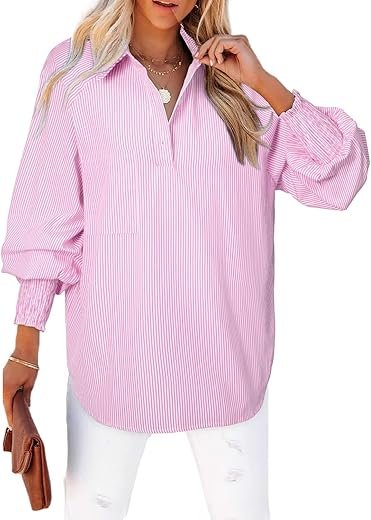
Astylish Women's 2025 Striped Smocked Henley Blouse
Amazon.com
Astylish Women's 2025 Striped Smocked Henley Blouse
Great Gift
50-Piece Sneaker Vinyl Sticker Pack, Waterproof
Amazon.com
50-Piece Sneaker Vinyl Sticker Pack, Waterproof
Must-Have
Oversized Women's Denim Shacket Jacket with Pockets
Amazon.com
Oversized Women's Denim Shacket Jacket with Pockets
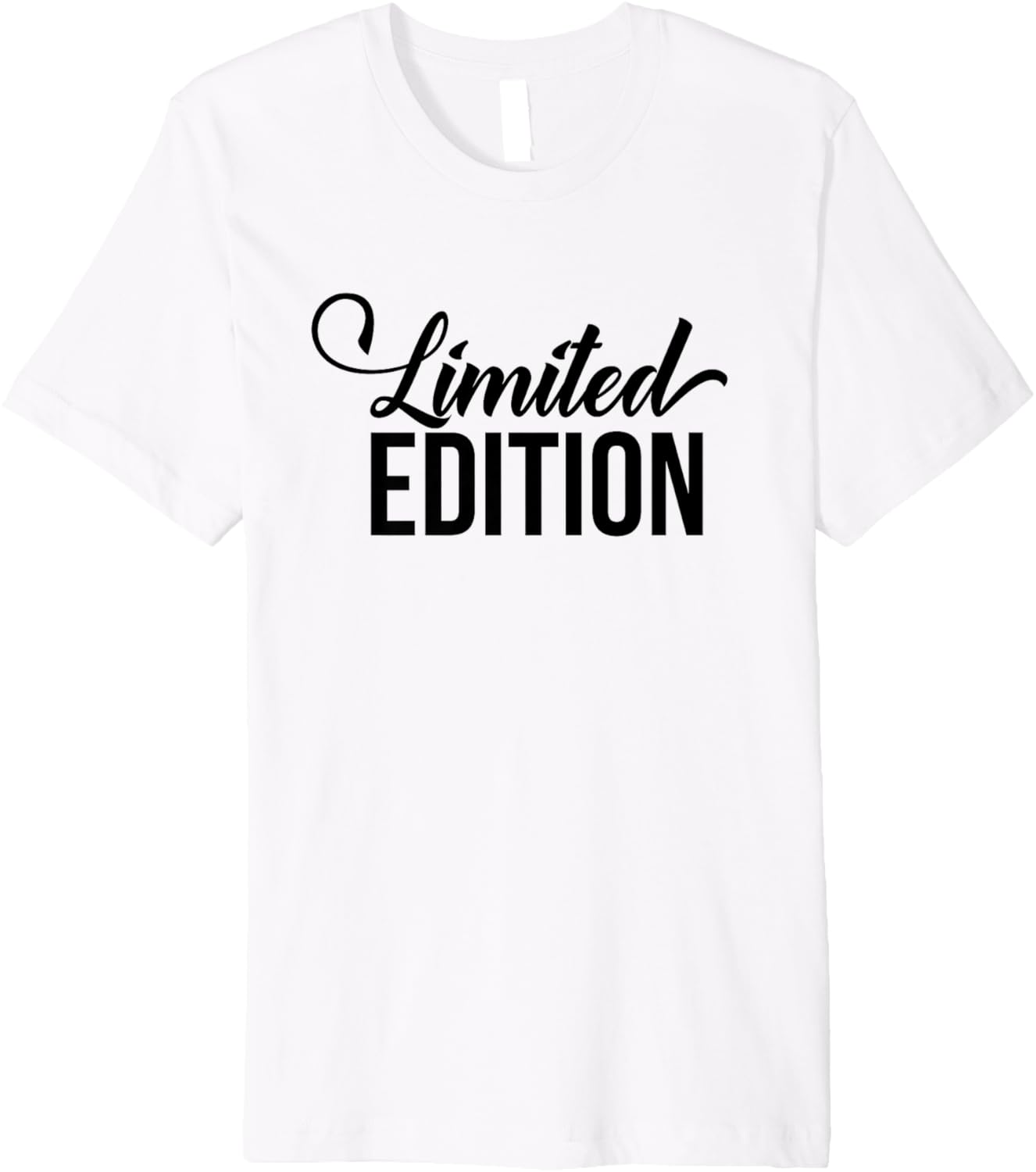
Limited Edition
Limited Edition Premium Lightweight Jersey T-Shirt
Amazon.com
Limited Edition Premium Lightweight Jersey T-Shirt
1

What Is a Capsule Collab and Why It Works

Defining the Capsule

A capsule collaboration is a deliberately small, tightly edited collection created jointly by a designer/brand and a celebrity or cultural figure. Unlike a seasonal ready-to-wear line or a celebrity-owned fashion house, a capsule is short-lived by design: think 8–20 items that carry a co-branded identity, unified color story, and an intentional sense of scarcity. These drops are engineered to be collectible moments, not ongoing assortments.

Typical Structure: clarity, curation, and scarcity

Capsules usually follow a predictable blueprint:

Limited SKU count focused on high-impact items (outerwear, tees, one hero accessory).
Co-branded labeling and packaging to signal joint authorship.
Time-limited availability or low production runs to create urgency.
A clear price ladder—entry-level merch to one or two statement price points.

A real-world touchpoint: collaborations like Balmain x H&M showed how a compact edit with bold branding can create massive press and sell-through, while celebrity-driven drops like Beyoncé’s Ivy Park collaborations demonstrate productized fandom—fans buy both style and association.

Great Gift
50-Piece Sneaker Vinyl Sticker Pack, Waterproof
50 unique waterproof stickers for many surfaces
A set of 50 different waterproof PVC vinyl sneaker-themed stickers sized 1.57–3.14 inches, perfect for decorating laptops, bottles, skateboards, and more. Ideal for DIY projects and gifting to sports or sneaker fans.

Why both sides win

For celebrities:

Design credibility without the overhead of running a brand.
Productized fandom—fans get tangible ways to participate in the celebrity’s identity.
Media moments and new revenue streams.

For designers/brands:

Access to new audiences and earned media.
Increased social traffic and collaboration cachet.
A testing ground for ideas with lower risk than full collections.

Roles, rights, and practical advice

Typical role split:

Celebrity: creative direction, mood boards, promotion, and IP licensing.
Designer/brand: technical development, manufacturing, distribution, quality control.

How to make a capsule work (actionable checklist):

Define a one-page creative brief that sets the aesthetic and must-have SKUs.
Limit SKUs to a focused edit (10–20 items) to control costs and clarity.
Agree on promotion windows and owned-channel exclusives up front.
Price a clear spectrum—affordable entry points to aspirational pieces.
Commit to authenticity: let the celebrity contribute real creative input, not just a name.

This streamlined format balances authenticity, trend responsiveness, and commercial goals—setting the stage for how these partnerships actually get made, which we’ll explore next in the creative process and partnership dynamics.

2

Behind the Scenes: Creative Process and Partnership Dynamics

From brief to prototype

Most capsules begin with a single conversation: a mood board, a shared playlist, or a candid chat about what “feels authentic.” That initial meeting produces a one-page creative brief—palette, hero silhouettes, target price points, and non-negotiables. From there, technical teams translate aesthetics into tech packs and prototypes. Typical development cadence:

2–4 concept rounds (mood + sketches)
3–6 sampling rounds (to nail drape, hardware, and seams)
final sign-off gate: celebrity, design director, and quality lead

Pro tip: schedule a “wear lab” with 8–12 fans/stylists to evaluate fit and vibe early; real bodies catch issues line sheets miss.

Must-Have
Oversized Women's Denim Shacket Jacket with Pockets
Casual oversized denim for layered looks
A relaxed, oversized denim shacket with buttons, zipper, and pockets that layers easily over tees or hoodies for a trendy look. Made from stretch-blend fabric for comfort and durability through spring and fall.

Who calls the shots? Co-design models

Capsules land on a spectrum:

Celebrity-led: star sets the tone and approves designs; brand executes technically.
Designer-led: house aesthetic guides direction; celebrity curates or endorses.
True joint authorship: daily co-creative sessions and shared credits.

Actionable advice:

Define decision rights in the contract (who has final say on prints, logos, and price).
Map approval flows with deadlines—avoid late-stage vetoes that blow timelines.

A quick example: in many celebrity-led drops, the star signs off on mood and hero pieces but cedes technical fit to the brand—this preserves authenticity while keeping production feasible.

Practical realities: materials, fit, and manufacturing

Creative intent often bumps into factory limits. Common constraints include minimum order quantities, available mills for specialty fabrics, dye lot inconsistencies, and lead times for hardware. Key mitigation steps:

Lock hero materials early and approve sample yardages.
Build size sets (XS–XXL or numeric grades) and prototype on real bodies, not only mannequins.
Add tolerance buffers for color and trim sourcing.

Quality checkpoints—trim approval, pilot run inspection, and pre-shipment audit—avoid PR disasters after launch.

Managing creative differences and protecting brand integrity

Disagreements are normal; good teams create rules to resolve them:

Use a written escalation ladder (design director → brand CEO → agreed arbiter).
Include “brand safety” clauses: no use of trademarks or imagery without written approval.
Agree on IP ownership, merchandising rights, and a kill fee for canceled projects.

Clear governance keeps the creative spark alive while safeguarding reputations—next, we’ll look at how these creative choices feed the commercial engine of distribution, pricing, and launch strategy.

3

The Business Engine: Strategy, Distribution, and Pricing

Commercial frameworks that make capsules viable

Capsules live at the intersection of creative freedom and commercial structure. Common deal archetypes include:

Licensing agreements: brand pays a royalty (percent of net sales) for use of a celebrity’s name/image.
Revenue-sharing: partner splits net proceeds after costs, aligning incentives for marketing lift.
Minimum guarantees (MGs): celebrity or brand receives an upfront MG against future royalties—reduces one party’s exposure.
Equity deals: talent takes a stake in the brand in lieu of (or in addition to) fees—turns promotion into ownership.

Actionable tip: pick a structure that matches risk tolerance. Early-stage brands often prefer MGs to secure cash; celebrities often take equity when they believe in long-term value.

Go-to-market: drops, partners, and the power of scarcity

Choices about where and how to sell are strategic: limited “drops” fuel urgency; exclusive retail partners amplify prestige; online pop-ups capture data and control narrative.

Limited drops create clear scarcity—plan small initial runs (low MOQ) and reserve production capacity for quick restocks if demand spikes.
Partner exclusives (department store capsule, boutique takeover) buy curated reach and editorial placement.
Online pop-ups and timed-ticket releases give DTC brands customer-first data and prevent bots.
Limited Edition
Limited Edition Premium Lightweight Jersey T-Shirt
Standout design with comfortable fabric
A limited edition lightweight jersey t-shirt made to show personality while staying comfortable. Note: men’s fit runs small (size up for a looser fit); women’s fit is true to size.

Real-world playbook: tease with behind-the-scenes content, open a 48-hour pre-sale to measure demand, then stagger a main drop. This sequencing informs production and avoids overstock.

Pricing strategies and performance metrics

Capsules typically sit between fast fashion and luxury—priced to signal premium but remain accessible. Pricing rules of thumb:

Cost-plus with aspirational markup (usually 2–4x cost) for mid-tier capsules.
Hero pieces priced at a premium to drive perceived value; basics maintain broader entry points.

Track these KPIs:

Sell-through rate (target 70–90% within first week for healthy drops).
Earned media value (EMV) and social engagement (shares, mentions, UGC).
Resale premiums and secondary market velocity—indicators of cultural desirability.

Risk management and market testing

Capsules are low-risk labs. Use them to test new categories, materials, or global markets by keeping runs small, using pre-orders, and structuring agreements with MG caps or buyback clauses. If a category over-indexes in sell-through and engagement, scale with phased production and broader retail partners—if not, cut losses early and recycle learnings into the next drop.

4

Cultural Impact: Trendsetting, Fandom, and the Influence Economy

Trend acceleration and creating cultural moments

Celebrity-designer capsules compress the runway-to-street timeline. A single red-carpet look or a drop can set an aesthetic—think bold athleisure silhouettes moving from backstage to subway in weeks. These collabs create shorthand visuals that editors, influencers, and retail buyers echo, turning a capsule’s hero piece into a seasonal motif. Actionable tip: design one unmistakable “moment” piece per capsule (a jacket, shoe, or dress) that’s both photographable and wearable—it becomes the campaign’s ambassador.

Fandom, parasocial relationships, and purchase drivers

Fans don’t just buy items; they buy proximity. Parasocial bonds—perceptions of intimacy with a celebrity—turn limited drops into personal rituals. Strategies that work:

Reward superfans with early access or fan-only editions.
Co-create with fan input (polls on colorways or names) to deepen ownership.
Use storytelling (studio sessions, family moments) to reinforce authenticity.

These tactics convert engagement into demand while nurturing long-term brand affinity.
Editor's Choice
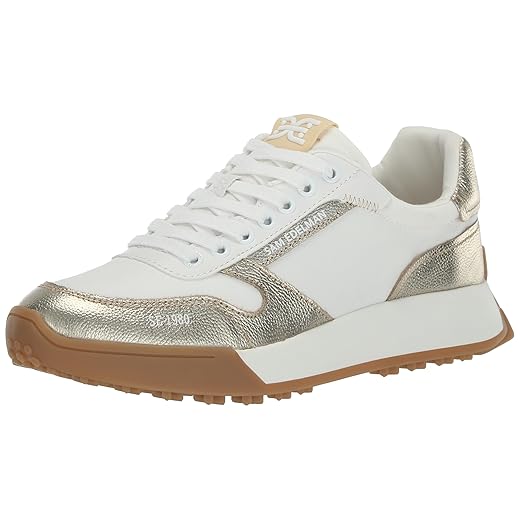
Sam Edelman Layla Retro Two-Tone Sneakers
Retro style with classic trainer silhouette
Retro-inspired Layla sneakers featuring a two-tone upper and classic trainer profile, perfect for everyday errands or elevating casual outfits. They have a 1.5-inch heel and lace-up closure for secure fit and style.

Social media amplification and measurable signals

Platforms amplify capsules into global events. TikTok trends, Instagram try-on reels, and celebrity posts generate earned media far beyond paid budgets. Track these metrics:

UGC volume and reach (number of creator posts).
Share rate and hashtag velocity within 48–72 hours of a drop.
Conversion lift from platform-specific creative (e.g., shoppable Reels).

Practical move: seed a handful of micro-creators for authentic early content; their relatable posts often outperform high-gloss ads in shareability.

Downstream effects: adoption, diffusion, and the resale economy

Capsules influence mainstream assortment—fast retailers and high-street brands copy silhouettes, while street-style photographers normalize the look. The resale market signals cultural value: sustained premiums indicate a capsule has transcended commerce into collectible territory (Yeezy-era models are a clear if extreme example). Brands can respond by:

Monitoring aftermarket prices to inform reissues or archival drops.
Offering tiered access (affordable basics + limited premium pieces) to balance prestige and reach.

Representation and inclusivity as cultural levers

When diverse celebrities lead a capsule—by race, gender identity, body type, or global background—the resulting designs frequently expand category norms (sizing, cuts, skin-toned accessories). Best practice: grant collaborators real creative input on fit and storytelling, and commit to inclusive size ranges and imagery to make the cultural ripple genuinely inclusive.

Looking ahead, the next section will examine the tensions these cultural gains create—questions of sustainability, authenticity, and how formats will evolve to reconcile commerce and conscience.

5

Tensions and Tomorrow: Criticisms, Sustainability, and Evolving Formats

Critiques and creative strain

Capsule collabs are praised for instant cultural lift — and criticized for instant opportunism. Detractors point to creative dilution when celebrities put their name on capsule after capsule, or when a designer’s signature is watered down for mass appeal. Over-saturation also blunts the emotional charge that once made drops feel momentous: when every season brings ten tie-ups, scarcity becomes noise, not narrative. Real-world signpost: lines that once wrapped blocks for H&M x designer drops have given way to fatigue as the model multiplied across price tiers.

Environmental and market pressures

The environmental cost is stark. Fashion accounts for roughly 10% of global carbon emissions, and limited-run hype can paradoxically generate waste — rushed production, unsold SKUs, and increased returns. Even “limited” often means deadstock once demand misfires. Brands are beginning to confront this with:

greater transparency (publish supplier audits and materials sourcing),
smaller-batch or made-to-order runs that reduce excess,
designing for recyclability (mono-materials or easy disassembly),
charity tie-ins that redirect a portion of proceeds to impact causes.
Must-Read
Sustainable Fashion: History and Future Perspectives
Comprehensive overview of fashion sustainability
A scholarly yet accessible book that traces fashion’s environmental and ethical impacts from the nineteenth century to today and examines production, recycling, and labor issues. It’s useful for students, designers, and anyone interested in eco-fashion trends.

How collabs are shifting

Responses are moving beyond PR fixes. Some houses now release capsule roadmaps, promising measured drops rather than perpetual scarcity. Others embed take-back options (Nike’s reuse-a-shoe programs) or commit to circular materials (Stella McCartney’s bio-based experiments). These efforts don’t erase tensions, but they demonstrate actionable pivots from hype to responsibility.

Emerging formats to watch

Virtual collections and AR try-ons reduce sampling waste and expand reach without physical inventory.
Modular capsules (interchangeable panels, modular footwear) extend life-cycle utility.
Co-created platforms let superfans contribute design ideas, shifting some demand forecasting to the community.
NFTs and token-gated drops are controversial but can enable transparent ownership, resale royalties, and fractional collectibles when used responsibly.

Best practices for ethical, lasting partnerships

Align on values upfront: sustainability clauses, labor standards, IP rights.
Limit SKUs and favor timeless pieces over trend-ephemera.
Build circularity: take-back, repair, or resale pathways.
Commit to measurable impact: publish post-drop environmental and social metrics.
Share revenue and control transparently with collaborators and communities.

These tensions—ethical, commercial, creative—are incubating new formats and guardrails, setting the stage for the article’s concluding thoughts on the future relationship between style and stardom.

A New Equation for Style and Stardom

Capsule collaborations distill storytelling, design and commerce into lean, high-impact drops that expand reach, accelerate relevance, and monetize cultural moments. They succeed when creative integrity, strategic distribution and transparent pricing align, but they also surface tensions around authenticity, overconsumption and the pressure to churn novelty.

Looking ahead, thoughtful partnerships — ones that center craft, community and sustainability — can keep the format vibrant and socially meaningful. Brands and stars who prioritize long-term value over short-term hype will shape a healthier ecosystem where creativity and commerce reinforce each other. Consider the capsule not as an end but as a platform for responsible innovation. Join the conversation and demand collaborations that endure and matter now.

«
»

47 responses to “Runways Meet Stardom: The Rise of Capsule Collabs”

  1. Jon Reyes Avatar
    Jon Reyes

    Interesting breakdown of pricing strategies. Capsule collabs feel like a balancing act — you want premium but not alienating core fans. The article’s point on distribution (limited drops vs wider release) hit home.

    1. Marta Silva Avatar
      Marta Silva

      Also depends on the product: a tee can be reissued, but iconic shoes? harder to replicate without losing hype.

    2. Ava Wilson Avatar

      Exactly — scarcity can raise perceived value, but if you overdo it you risk backlash from loyal customers. It’s a tricky tradeoff covered in ‘The Business Engine.’

  2. Rajiv Kumar Avatar
    Rajiv Kumar

    Loved the deep-dive into ‘partnership dynamics’ — but noticed a few typos in that section 😅

    Also, pricing strategies sometimes read like ‘how to squeeze the most hype out of a fanbase’ which feels… meh. Still, great examples and references (esp. the Sustainable Fashion book). 👍

    1. Marta Silva Avatar
      Marta Silva

      Typos aside, the analysis was thoughtful. Could use more global perspectives though.

    2. Ava Wilson Avatar

      Noted. We’re planning a follow-up piece that examines regional strategies and consumer cultures.

    3. Ava Wilson Avatar

      Thanks for the heads-up on typos, Rajiv — we’ll patch those. Appreciate the balanced take on pricing; it’s a moral and strategic dilemma for many brands.

    4. Ava Brooks Avatar
      Ava Brooks

      Agree on the global angle — what works in one market fails in another.

  3. Liam O'Connor Avatar
    Liam O’Connor

    I laughed at the bit about fandom turning everything into collectible merch. I mean, 50-Piece Sneaker Vinyl Sticker Pack? I buy it for a laugh but it IS oddly irresistible 😂

    1. Ruth Alvarez Avatar
      Ruth Alvarez

      Stickers are peak millennial/Gen Z energy. Slap ’em on laptops and boom — micro-identity established.

    2. Ava Wilson Avatar

      Ha — those sticker packs are a great example of low-cost, high-emotion merch that taps into fandom without huge production overhead.

  4. Emily Carter Avatar
    Emily Carter

    This made me want that 50-Piece Sneaker Vinyl Sticker Pack. Perfect for my sketchbook and laptop. Short and sweet: fun article!

  5. Daniel Wu Avatar
    Daniel Wu

    Not convinced the format is sustainable long-term. Capsule collabs can encourage overconsumption: limited drops create urgency, people buy stuff they don’t need.

    Also, the ‘Cultural Impact’ section seemed to romanticize fandom without critiquing the consumerist push.

    1. Priya Menon Avatar
      Priya Menon

      But there are exceptions: some collabs are intentionally small and made of durable materials. It’s mixed.

    2. Liam O'Connor Avatar
      Liam O’Connor

      Totally. FOMO is the engine, and that’s not always great for sustainability.

    3. Ava Wilson Avatar

      Valid critique — the article attempts to balance cultural enthusiasm with critical perspectives under ‘Tensions and Tomorrow’. The urgency-driven model does drive more buying behavior.

  6. Carlos Mendes Avatar
    Carlos Mendes

    Great read. A few thoughts:
    – Limited Edition Premium Lightweight Jersey T-Shirt: perfect for collab staples.
    – The distribution models piece is gold; direct-to-fan drops + targeted retail keeps both hype and access.
    – But please, let’s stop celebrity-only design control — authentic design input matters.

    I think the article could’ve dug deeper on royalties and creator compensation.

    1. Maya Thompson Avatar
      Maya Thompson

      Agree on creator comp. Those headline numbers rarely trickle down fairly.

    2. Priya Menon Avatar
      Priya Menon

      Also worth noting: a lot of celebs start small and then demand control as they see success — messy.

    3. Ava Wilson Avatar

      Good point Priya — the evolution of partnership dynamics is covered in ‘Behind the Scenes’ but case studies would help readers see the arc.

    4. Ava Wilson Avatar

      Thanks Carlos — royalties are indeed crucial and sometimes overlooked in media coverage. The ‘Business Engine’ touched on it but more granular cases would help.

    5. Derek Shaw Avatar
      Derek Shaw

      Brands need standardized frameworks for profit share on collabs. Right now it’s ad-hoc and opaque.

  7. Sophie Lee Avatar
    Sophie Lee

    Okay — big fan of the ‘Sustainability’ thread. Seeing the book ‘Sustainable Fashion: History and Future Perspectives’ referenced made me pause.

    There’s so much pressure on collabs to be green, yet a lot of them are still fast-fashion-adjacent. If brands actually leaned into sustainable production for capsule pieces, it could be a game changer.

    But who pays the extra cost? And will fans accept fewer colorways? Lots to unpack here.

    1. Lena Park Avatar
      Lena Park

      Fans will accept it if it’s communicated well — transparency about materials and process goes a long way.

    2. Ava Wilson Avatar

      Agree with Lena and Carlos. The key is storytelling — many fans want authenticity, not greenwashing.

    3. Carlos Mendes Avatar
      Carlos Mendes

      Also: limited runs of higher-quality pieces can reduce waste vs mass-producing poor-quality items. Not a perfect fix, but a step.

    4. Ava Wilson Avatar

      Great points, Sophie. The article’s ‘Tensions and Tomorrow’ section tries to unpack that: sustainability often increases unit cost, and brands must decide whether to absorb, pass on, or offset it with perceived premium.

  8. Maya Thompson Avatar
    Maya Thompson

    Loved the piece — the section on ‘When Runways and Stardom Collide’ really nails why celebs make drops feel like events. The Sam Edelman Layla sneakers example felt spot on: instant sellout vibes. Also low-key want that Oversized Denim Shacket now 😂

    1. Ava Wilson Avatar

      Thanks Maya — glad that section resonated. The sneakers are a good case study because they combine nostalgia and scarcity, which the article discusses under ‘The Business Engine.’

    2. Aisha Malik Avatar
      Aisha Malik

      Shacket is life. Pair it with that Limited Edition Premium tee and you’re golden.

    3. Jordan Reed Avatar
      Jordan Reed

      Totally — classic retro sneaker + celeb push = recipe for hype. Saw those Laylas pop up in stories last week.

  9. Ava Brooks Avatar
    Ava Brooks

    Quick question: what actually qualifies as a capsule collab vs just a celebrity merch line? The ‘What Is a Capsule Collab and Why It Works’ section was solid but I’m still fuzzy.

    Also, I bought the Astylish Women’s 2025 Striped Smocked Henley Blouse after reading — very cute and versatile!

    1. Sophie Lee Avatar
      Sophie Lee

      And sometimes capsules test new sustainable materials — that’s when they get interesting from a fashion-forward perspective.

    2. Evan Moore Avatar
      Evan Moore

      Exactly that. Merch = branding. Capsule = design intent + scarcity + storytelling.

    3. Ava Wilson Avatar

      Thanks all — the subtle differences make a big impact on business outcomes, which the article highlights.

    4. Nina Patel Avatar
      Nina Patel

      Another distinction: capsules often aim for broader retail appeal beyond just fanbases.

    5. Oliver Grant Avatar
      Oliver Grant

      Also price point: capsules often sit between merch and high fashion in pricing, which affects reception.

    6. Ava Wilson Avatar

      Good question! A capsule collab usually implies a small, curated collection created in partnership (often limited), with shared creative input and a specific launch strategy — different from generic merch. Glad you liked the blouse!

  10. Nina Patel Avatar
    Nina Patel

    Some critique: the article glossed over labor conditions in the ‘Creative Process’ section. You can’t talk about partnerships without touching manufacturing realities. Loved the fashion examples though (that Astylish blouse looked cute in the photo).

  11. Marcus Hill Avatar
    Marcus Hill

    Celebrity capsule collabs: because what fashion truly needed was another limited tee with a face on it. 😏

    Jokes aside, sometimes they do push boundaries; sometimes it’s lazy cash-in.

    1. Ava Wilson Avatar

      Ha — fair take. The article tries to trace when collabs add cultural value vs when they’re purely commercial.

  12. Olivia Green Avatar
    Olivia Green

    Behind-the-scenes bits were my fave. The photos of the design meetings, the mood boards, and talk of co-creation made the whole collab process feel human.

    Seeing a celebrity actually sketch (or at least be involved) changes the narrative from ‘celebrity slaps name on product’ to ‘creative partnership’ — which is more authentic imo.

    1. Ava Wilson Avatar

      Glad you enjoyed that part, Olivia. We wanted to highlight real creative exchange rather than token names on labels.

    2. Derek Shaw Avatar
      Derek Shaw

      If only all collabs were like that. Too many feel like marketing stunts.

  13. Hannah Price Avatar
    Hannah Price

    Really enjoyed the ‘Cultural Impact’ part — the piece nails how fandom turns clothing into identity-signals. Emojis are part of the packaging now 😂

    Also, shoutout to the Oversized Women’s Denim Shacket Jacket with Pockets — huge trend potential.

    1. Ava Wilson Avatar

      Thanks Hannah — identity signaling and micro-communities around drops is a big theme. The shacket is a practical example of how style + function sells.

    2. Evan Moore Avatar
      Evan Moore

      If you wear that shacket to a concert, you’ll probably get 3 compliments and 2 sticker trades. True story.

Leave a Reply

Your email address will not be published. Required fields are marked *