
Why material choices matter for shoes
The materials inside a shoe determine its environmental and social footprint—from the water, land and chemicals used to make fabrics and soles, to emissions and end-of-life waste. Prioritizing materials that cut resource use, lower greenhouse gases, enable repair or recycling, and support regenerative practices can make everyday footwear far more sustainable without sacrificing performance.
This article highlights practical material categories to prioritize: recycled synthetics, natural and regenerative fibers, plant-based leathers, renewable soles, and components that enable circularity and longevity. You’ll also get a simple framework to weigh trade-offs and make better choices whether you’re buying or designing shoes. Expect clear trade-offs, practical tips, and questions to ask brands and suppliers before you buy today.

Recycled synthetics: giving waste a second life
What recycled synthetics are commonly used
Recycled synthetics in shoes include polyester spun from recycled PET bottles, regenerated nylon (e.g., ECONYL made from fishing nets and industrial nylon waste), and reclaimed rubber from tires. Brands increasingly use these materials for uppers, linings, laces, and midsoles because they can match the strength and consistency of virgin synthetics while diverting waste streams.
Sourcing and traceability
Not all “recycled” labels are equal. Two common feedstocks:
Look for chain-of-custody claims and certifications that show the percentage and origin of recycled content. Helpful standards include:
Performance & quality considerations
Recycled synthetics often perform like virgin materials: tensile strength, colorfastness, and abrasion resistance can be equivalent. Practical things to check:
Environmental trade-offs
Recycling reduces virgin fossil feedstock demand and keeps waste out of landfills and oceans, but it has limits. Mechanical recycling consumes energy, can downcycle fiber quality, and multiple cycles reduce performance. Synthetic uppers can shed microplastics during wear and washing; look for laboratory shedding tests when available.
How to prioritize — quick tips
Next: natural fibers and regenerative options that complement recycled synthetics.
Natural and regenerative fibers: hemp, organic cotton, and linen
Why these fibers matter
Hemp, organic cotton, linen (flax), and sustainably produced bamboo are smart choices for uppers, linings, and laces because they come from renewable plants, can be grown with fewer synthetic inputs, and are biodegradable at end of life when kept free of mixed plastics. Regenerative farming can also build soil carbon—meaning the field itself becomes part of the climate solution—while supporting biodiversity and local communities.
Performance and typical uses
Real-world examples: hemp canvas sneakers hold up better to daily abrasion than basic cotton canvas; linen uppers dry quickly and soften with wear, making them ideal for casual summer styles.
Caveats and sourcing
How to choose and extend life
Next we’ll explore animal-free leathers and emerging bio-materials that pair well with these plant fibers.
Plant-based and mycelium leathers: animal-free options with growing promise
Families and real-world examples
Innovations now span three families: textile-based plant leathers (e.g., Piñatex pineapple leaf fiber, cactus-based Desserto), fruit-waste leathers (apple or grape-pomace leathers from companies like Frumat), and engineered mycelium (Mylo and other fungal-based substrates). These materials were developed to mimic leather’s hand and drape using agricultural residues or fast-growing organisms rather than animal hides.
Performance expectations in everyday use
Many plant and mycelium leathers look and feel convincingly like leather for sneakers, dress shoes, and casual boots. They perform well for light-to-moderate wear: good flex, attractive finishes, and lower embodied-animal impacts. However, expect variation—some formulations are prone to edge abrasion or flex-cracking under heavy, repetitive stress. For heavy-duty boots or long-distance running, traditional full-grain leather or high-performance synthetics may still outlast many newcomers.
Manufacturing challenges and red flags
Watch for formulations that trade one problem for another. Red flags include:
How to prioritize plant/mycelium leathers
These materials are rapidly evolving—choose thoughtfully now, and next we’ll explore matching them with renewable, low-impact sole materials for a truly lighter footprint.
Renewable and low-impact soles: cork, natural rubber, and bio-foams
Soles often make up the heaviest portion of a shoe and strongly influence its recyclability and lifetime performance. Choosing the right sole material can lower embodied carbon, support biodiversity-friendly landscapes, and keep shoes useful longer—without sacrificing grip or comfort.
Cork and cork‑rubber blends
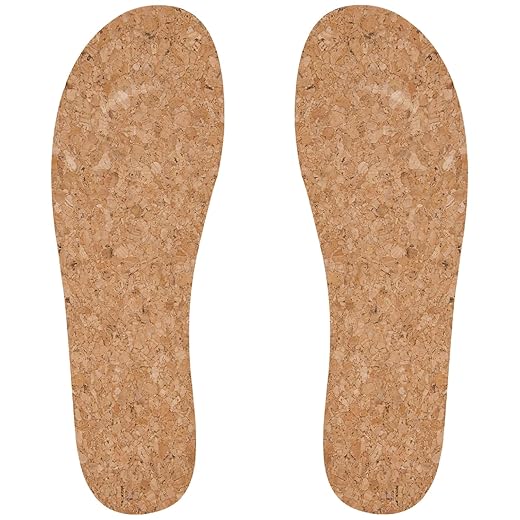
Cork is lightweight, naturally shock‑absorbing, and ages with a pleasant “broken‑in” feel (think Birkenstock’s footbeds). Cork oak landscapes also store carbon and support wildlife; careful stripping of bark is a renewable harvest that doesn’t kill the tree. Pure cork midsoles can be less grippy on wet surfaces, so many makers use cork-rubber blends to add traction and durability while keeping weight and fossil inputs down.
Responsibly harvested natural rubber
Natural rubber delivers excellent traction and long wear for outsoles. The sustainability story depends on sourcing: smallholder stewardship programs (e.g., Veja’s wild rubber model, and industry initiatives like the GPSNR/RNR efforts) prioritize forest protection, fair pay, and agroforestry. Note: vulcanization makes rubber hard to recycle, so look for brands offering take‑back or using recycled natural rubber in outsoles.
Bio‑based foams: algae, sugarcane, and plant‑oils
New foams (sugarcane-derived EVA alternatives like SweetFoam, and algae-based “Bloom” foams) can lock in less fossil carbon and offer lively cushioning. Pros: lower cradle‑stage emissions and creative use of nuisance algae or agricultural feedstocks. Cons: many require similar chemical processing to petro foams, use cross‑linkers that block composting, and have uneven end‑of‑life options. Look for transparent renewable-carbon percentages and clear recycling/compost claims.
Quick prioritization tips
Materials that enable circularity and longevity
The single most powerful sustainability move is often the simplest: keep shoes in use longer or make them easy to reprocess. Material choices matter less if a shoe is tossed after a season; conversely, humble, repairable constructions can dramatically cut lifetime impacts.
Design for disassembly and reparability
Prioritize assemblies that don’t rely on permanent contact adhesives. Stitched soles, snap‑in footbeds, and modular uppers make repairs and recycling realistic. Classic Goodyear‑welt or stitchdown constructions allow resoling—many boots survive decades this way, cutting the need for replacements.

Monomaterial and high‑grade single textiles
Monomaterial uppers (single polymer knits or single‑type leather panels) simplify recycling streams. High‑grade woven textiles wear longer than novelty blends and take well to patching. Trade‑off: pure monomaterials can constrain color or texture options, so balance aesthetics with end‑of‑life clarity.
Biodegradable and compostable options
Fully compostable shoes are emerging, using natural rubbers, untreated leathers, and biodegradable stitchers. Note: many need industrial composting conditions—check whether claims require >50°C facilities. If home compostability is important, confirm standards and lab tests.
Repair, replace, and choose durable components
Repair-friendly leathers, replaceable insoles, reinforced toe boxes, and robust stitching often yield greater lifecycle gains than cutting‑edge materials. A reinforced stitch and a resolable sole typically outrun a flashy “biobased” foam that can’t be repaired or recycled.
Practical prioritization tactics:
These choices steer materials toward second lives instead of landfill.
A practical framework to prioritize materials when buying or designing
Start with a short checklist mindset: define need, compare footprints, prioritize durability, vet people and scale. Below is a step‑by‑step framework you can use whether you’re a curious buyer, a designer, or a procurement lead.
1) Define the use case and required performance
List the real-world demands: miles per season, wet/dry exposure, thermal needs, and acceptable weight. A hiking boot needs different trade‑offs than a city sneaker.
2) Evaluate full life‑cycle impacts
Look beyond single metrics. Ask for LCA summaries or key figures on production emissions, water and land use, and likely end‑of‑life pathways (recycle, compost, landfill). Prefer materials with transparent, comparable data.
3) Prioritize durability and repairability first
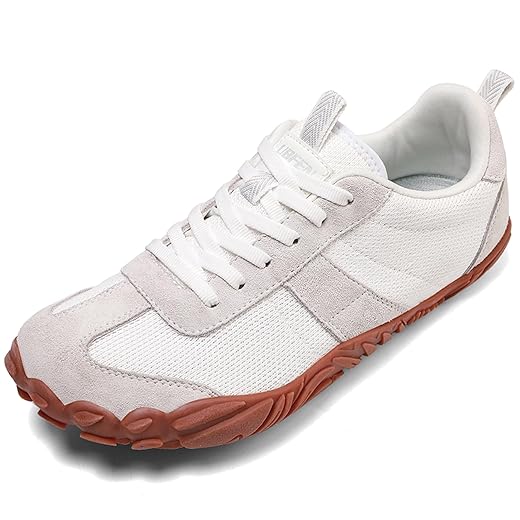
Choose long‑lasting constructions and replaceable components before chasing the lowest raw‑material footprint. A resolable upper with a modest biobased sole often beats a fragile “green” shoe that’s disposable.
4) Check transparency and verification
Demand traceability, independent lab tests, and recognized certifications (e.g., GRS, Bluesign, FSC). If a brand won’t share supplier info or LCA summaries, treat claims cautiously.
5) Account for social impacts
Factor worker safety, fair wages, and smallholder livelihoods into material choices. Social audits or supplier partnerships are as important as carbon numbers.
6) Factor cost and scalability
Prioritize options that can be sourced reliably at scale. Pilot novel materials in limited runs to validate manufacturing, wear performance, and circular handling before full roll‑out.
Practical buyer tips:
For organizations: run controlled pilot batches, track real wear data, and set KPIs for repair rates and take‑back recovery. These steps lead naturally into choosing materials that truly tread lightly.
Choosing materials that tread lightly
Prioritize durability and circular design: longer‑lasting shoes and designs that enable repair, disassembly, and recycling reduce lifecycle impacts. Favor recycled feedstocks and regenerative natural fibers where performance matches need, and weigh innovations like mycelium leathers against proven end‑of‑life outcomes. Consider soles and adhesives as critical choices that determine recyclability.
Use the framework above to make measured trade‑offs, demand transparency, and choose repairable, non‑toxic constructions. Designers and consumers alike can push supply chains toward scalable, responsible footwear—choose materials that reduce harm and help the industry tread more lightly. Act now: prefer repair, transparency, and measurable impact.


Leave a Reply