Truth in Threads: Which Ethical Brands Walk the Talk?

Truth in Threads: Which Ethical Brands Walk the Talk?

Why transparency matters in ethical fashion

What if “ethical” was verifiable, not hopeful? This article examines which fashion brands truly walk the talk instead of leaning on feel‑good language.

Transparent sourcing means clear, verifiable information: traceable materials, disclosed supply chains, and independently verified labor practices. It’s the closest thing to accountability in a complex global industry.

You’ll learn how transparency is measured, concrete signs that a brand is honest, and practical shopping tips to spot real commitments. We also outline investigative methods that reveal reality beneath rhetoric and the systemic barriers that still block full clarity. Read on to make smarter choices—and to push the industry toward real accountability. Your informed purchases can accelerate change and reward brands that prove their claims. Start here, with evidence.
Editor's Choice
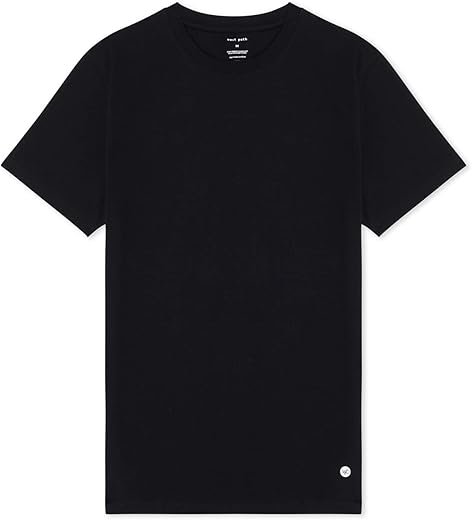
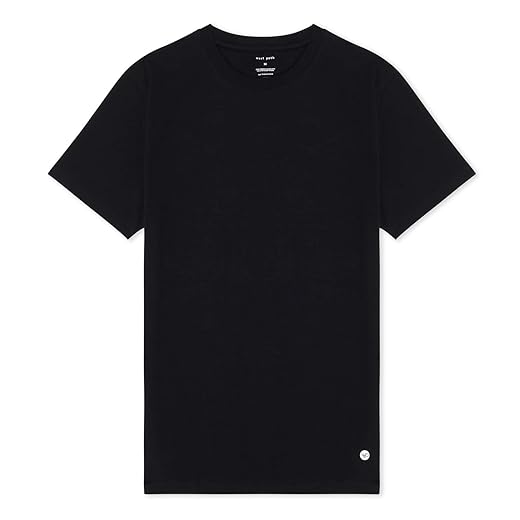
Men's Organic Black Crew Neck Cotton T-Shirt
Amazon.com
Men's Organic Black Crew Neck Cotton T-Shirt
Must-Have
Fast Fashion Ethical Advocates Pullover Hoodie
Amazon.com
Fast Fashion Ethical Advocates Pullover Hoodie
Best for Sensitive Skin
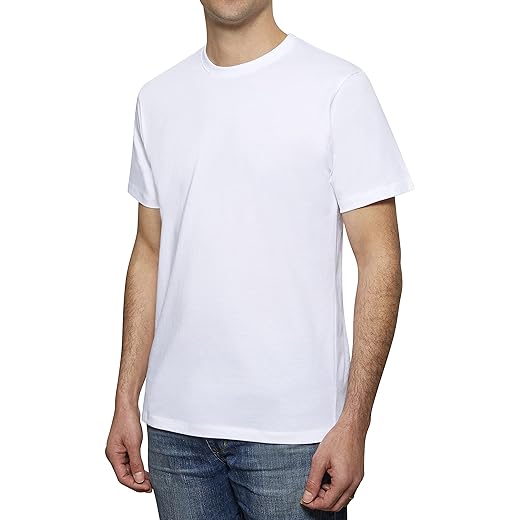
Men's Certified Organic Cotton Soft Crewneck Shirt
Amazon.com
Men's Certified Organic Cotton Soft Crewneck Shirt
Best for Daily Comfort
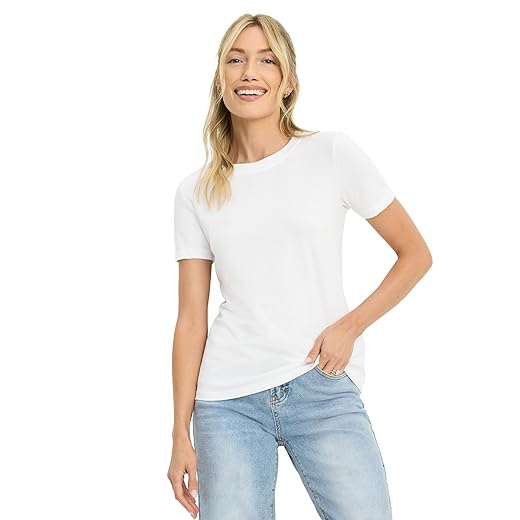
Jockey Women's Organic Cotton Stretch Short Sleeve Tee
Amazon.com
Jockey Women's Organic Cotton Stretch Short Sleeve Tee
1

What transparent sourcing actually means

Mapping raw-material origins

Transparent sourcing starts at the source: where fibers, leather, metals or dyes originate. For cotton that means farms and ginneries; for wool, ranches and shearing sheds; for buttons and zippers, the metal or plastic suppliers. Knowing origin helps expose environmental impacts (water, pesticides, deforestation) and social risks (land grabs, seasonal labor). Brands that can point to specific regions, cooperatives or farms give you a place to verify — a GPS, not a slogan.

Supplier and factory disclosure

Full transparency names the people and places making a garment: mills, cut‑and‑sew factories, laundries and trim suppliers. Public factory lists, with addresses and compliance histories, let NGOs, journalists and consumers cross‑check conditions. Practical tip: search a brand’s website for “supplier list” or check the Open Apparel Registry to see if factories are mapped.

Traceability mechanisms

Traceability is the technical glue: batch IDs, lot numbers, bill of lading records and digital ledgers that link a finished product back through each step of the chain. Paper trails are still common; increasingly brands use QR codes or platforms (e.g., TextileGenesis, Provenance) to show a product’s journey in minutes. A single garment with a traceable batch ID reduces guesswork about materials and their processing.

Must-Have
Fast Fashion Ethical Advocates Pullover Hoodie
Statement hoodie promoting sustainable fashion
A classic pullover hoodie designed to promote ethical and sustainable fashion with a bold message. Comfortable and durable, it’s ideal for shows, photoshoots, or everyday advocacy.

Third‑party audits and certifications

Independent audits and certifications (GOTS, Fair Trade, SA8000, BSCI, WRAP) add external verification of practices. Audit reports and corrective action plans — ideally summarized, dated and public — show whether problems were found and fixed. Tip: prefer brands that publish audit summaries and evidence of remediation, not just certificate logos.

Public reporting & measurable outputs

Concrete outputs brands can publish:

Supplier lists with addresses and function (fabric mill, cut‑sew, dyehouse)
Audit summaries and remediation timelines
Material flows or mass‑balance reports (e.g., percentage of recycled polyester per batch)
Traceability maps and QR‑linked product pages
Annual supply‑chain greenhouse‑gas and water footprints

These outputs cut information asymmetry by giving verifiable data points — reporters can triangulate, independent platforms can index factories, and shoppers can scan a label and see provenance.

Key terms explained

Traceability: ability to follow a product’s path through the supply chain.
Chain of custody: documented ownership/transfers of material batches.
Upstream vs downstream transparency: upstream = raw materials/farms; downstream = retail, distribution, customer-facing practices.

Why it matters: each element protects worker welfare (who is employed and under what conditions), environmental integrity (where impacts occur), and material authenticity (is that “organic cotton” really organic?).

2

Concrete criteria: how to tell if a brand walks the talk

The checklist: verifiable evidence

Use this short, practical checklist as your shopping litmus test. For each item, ask: “Can I find the evidence online and does it answer who, where, and when?”

Public supplier list with locations and functions (mill, cut‑and‑sew, dyehouse). Tip: cross‑check addresses against the Open Apparel Registry or Google Maps.
Independent audit reports and published remediation plans with dates and follow‑ups — not just a certificate image.
Living‑wage proof or a wage‑ladder commitment: published targets, timeframe, and how wages are calculated.
Farm‑to‑finished traceability reports (batch IDs, maps, or mass‑balance statements) that show raw‑material origins.
Use of recognized certifications (GOTS, Fair Trade, RWS, MSC) with links to certificate numbers—plus clarity on what each cert does and doesn’t cover.
Digital traceability tools (blockchain entries, QR codes) that lead to readable, timestamped data — not a marketing page.
Clear subcontracting policy: are third‑party factories and temporary labor disclosed?

Traceability tech and where it helps

QR codes and TextileGenesis entries are useful when they deliver detailed batch-level info (farm, lot, processing steps). A quick anecdote: a shopper scanned a QR and traced a sweater back to a named cooperative in India — that’s the kind of jump from claim to verifiable fact.

Best for Sensitive Skin
Men's Certified Organic Cotton Soft Crewneck Shirt
100% organic, soft, hypoallergenic tee
A silky-soft, 100% certified organic cotton crewneck that’s breathable, durable, and safe for sensitive skin. Preshrunk and tagless, it resists twisting and retains shape wash after wash.

Warning signs and greenwashing tactics

Watch for red flags that often hide behind attractive imagery:

Vague claims (“made ethically”) without links or data.
Unverifiable seals or logos with no certificate number.
Paywalled or “available on request” reports.
Overuse of lifestyle photos of workers without any operational details.
One‑page sustainability statements that dodge supply‑chain specifics.

How to weigh partial transparency

Not all brands will tick every box. Prioritize based on your values:

Worker rights: weight audits, living‑wage plans, subcontracting clarity highest.
Ecological impact: prioritize raw‑material traceability, mass‑balance reports, and emission footprints.
Animal welfare: prioritize animal certification chains and slaughter/harvest traceability.

Quick scoring method: mark each criterion Essential (E), Important (I), or Nice‑to‑Have (N) for yourself, then score brands against your list. A brand with strong material traceability but weak labor disclosure might earn a pass for environmental shoppers but fail the worker‑rights bar — decide which matters most to you.

3

Investigating brands: methods that reveal reality beneath the rhetoric

Document cross‑checks: follow the paper trail

Journalists and NGOs start by treating a brand’s website as a starting point, not proof. Practical steps:

Cross‑reference supplier lists with government business registries and the Open Apparel Registry to confirm addresses and legal names.
Pull trade and customs data (ImportYeti, Panjiva or national customs portals) to see shipment volumes, ports, and trading partners that should match disclosed suppliers.
Request procurement documents or purchase orders where possible—these show who actually paid whom and when.

Audit scrutiny and reading between the lines

Not all audits are equal. Look for:

Auditor name, scope, and date (a “social compliance audit” is different from a full working‑time, wage or environmental audit).
Non‑conformance reports and documented remediation steps with timelines—proof that problems were fixed, not just flagged.
Recurring findings across audits that point to systemic issues (e.g., repeated overtime or subcontracting).

Field verification and tech tools

On‑the‑ground sources and remote tools make claims tangible.

Use satellite imagery and geolocation to verify farm locations, deforestation, or whether a reported cotton cooperative exists where claimed.
Send fabric swatches to independent labs (SGS, Bureau Veritas) for fiber and chemical testing to confirm “organic” or recycled claims.
Interview workers, community groups, and local unions; their testimonies reveal whether policies are implemented.
Best for Daily Comfort
Jockey Women's Organic Cotton Stretch Short Sleeve Tee
Semi-fitted comfort with slight stretch
A smooth, breathable short sleeve tee made from organically grown cotton with a bit of stretch for all-day wear. Semi-fitted design offers a flattering, comfortable everyday fit.

Open data and NGO databases to corroborate claims

Tap curated resources:

Fashion Revolution’s Transparency Index, GoodWeave cases, and KnowTheChain scores for aggregated brand performance.
TextileExchange and certification registries (GOTS, RWS) for certificate numbers that can be validated.
Academic datasets and investigative journalism portals provide cross‑checked leads to pursue.

Interpreting language and knowing limits

How to read corporate phrasing: “engaged suppliers” or “partner mills” may mask subcontracting. Look for concrete metrics (numbers, dates) not aspirational verbs. For most consumers, deep verification is limited—use trusted third‑party reports, investigative pieces, and NGO scorecards as shortcuts. The next section will explore systemic barriers that make full transparency hard and what structural changes could broaden those shortcuts into industry norms.

4

Practical shopper’s guide: signals to trust (and what to question)

Quick signals that usually mean a brand is serious

Look for concrete, verifiable touchpoints—not slogans.
Searchable factory and supplier lists (clickable names and addresses).
Traceability on product pages: maps, batch/SKU IDs or QR codes that link to production details.
Downloadable audit summaries and corrective action plans (with dates).
Clear material breakdowns with origin statements (e.g., “70% Peruvian Pima cotton — grown in Piura; spun at Mill X, Dyehouse Y”).
Explicit wage commitments, grievance mechanism descriptions, worker representation details.
Partnerships with reputable NGOs or certifiers, with certificate numbers you can verify.
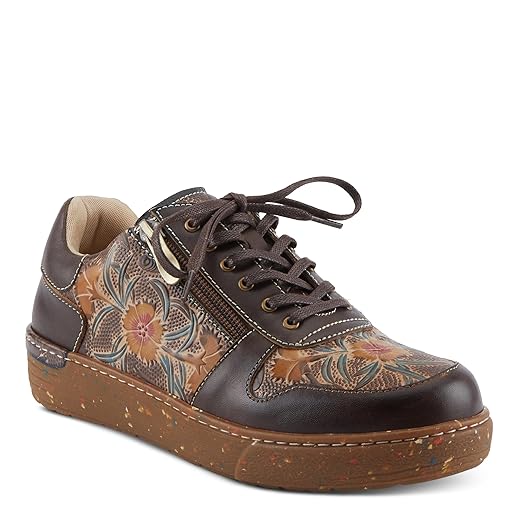
Stylish Eco Pick
Spring Step L'Artiste Women's Sincerity Floral Sneakers
Eco-friendly outsole with handpainted floral accents
Stylish leather sneakers featuring handpainted floral details and an eco-friendly recycled outsole for reduced environmental impact. Lace-up design with outside zipper and padded collar; they run small, so size up.

Questions to ask — quick templates you can copy

Use these in email or a social media message; public asks get faster responses.

Email: “Hi — I’m considering . Could you share the factory name/location that made it, and any recent audit or CAP? Thanks!”
DM/Twitter: “Which mill made the fabric for SKU #123? Can you post the GOTS/GRS certificate number?”
If you see a certification logo: “Please share the certificate ID and expiry so I can verify it on the certifier’s registry.”

Platform shopping: marketplace vs direct-to-consumer

Marketplace (Amazon, Zalando): third‑party sellers often lack brand transparency. Check seller profile, look for brand-owned storefront, and ask questions in Q&A threads.
DTC: more likely to publish traceability, but verify documents (audits, cert numbers). If a brand claims full traceability, spot‑check one product before trusting the whole line.

Reading labels and certification claims critically

Always search certificate IDs on the certifier’s website; logos without IDs are weak evidence.
Beware umbrella terms: “sustainably made” or “eco” without specifics. Prefer named standards (GOTS, GRS, Fairtrade, RWS).
Check scope—some certificates cover only fiber, not final product processing.

Balancing transparency with fit, price, and longevity

Transparency is one value among many. If a brand provides partial traceability but offers exceptional durability, repair policies, and a fair return/refurb program, that can be a meaningful tradeoff for many shoppers.

Small collective actions that move the needle

Ask brands publicly and tag certifiers.
Leave feedback requesting supplier details at checkout.
Support NGOs and vote with your wallet toward more transparent options.

Next up: the structural hurdles that keep brands opaque—and how industry fixes could make these shopper checks obsolete.

5

Systemic barriers and the path forward for full supply-chain transparency

Why transparency is structurally difficult

Complexity is the enemy of clarity. A single T‑shirt can pass through dozens of actors—seed suppliers, ginners, spinners, weavers, dyers, cut‑and‑sew factories, and logistics providers—spread across countries. Subcontracting (sometimes informal) hides real workplaces; brands protect supplier lists for “competitive” reasons; audits focus on snapshots rather than everyday realities. Smaller brands lack the budget for deep-trace audits, while auditing standards vary, creating audit fatigue and little meaningful follow-up.

Tech helps — but only if paired with rules and incentives

Tools like blockchain, digital product passports (DPPs), and DNA tagging can lock provenance data to a garment, making manipulation harder and enabling consumer-facing verification. But technology alone won’t create honest records: garbage in, garbage out. Without governance (who maintains the ledger?), interoperability (can systems talk to each other?), and buyer incentives (will brands pay suppliers to record data?), these tools become expensive showpieces.

Fair Trade Favorite
AmazonFresh Organic Fair Trade Peru Whole Bean Coffee
Medium roast with chocolate and brown sugar notes
A fragrant medium-roast 100% Arabica whole bean coffee from Peru, Fair Trade and USDA Organic certified. Smooth and medium-bodied with brown sugar and chocolate hints, roasted and packed in the USA.

Policy and industry levers that move the needle

Mandatory disclosure laws: national rules that require supplier lists, country-of-origin, and due-diligence reports (think expanded Modern Slavery Acts, the EU’s Corporate Sustainability Due Diligence proposals).
Import due-diligence: customs-level checks and liability for goods produced under forced labor or environmental harm.
Shared industry infrastructure: pooled supplier databases, third‑party managed traceability platforms, and standardized audit protocols reduce duplication and raise baseline quality.
Collective bargaining and sectoral wage boards: buying coalitions can negotiate living wages upstream—individual brands often lack leverage alone.
Capital flows: investors and banks tying financing to transparency metrics push corporate behavior; grantmakers can subsidize traceability for SMEs.

A pragmatic roadmap: short → medium → long

Short (6–12 months): publish supplier lists at the tier‑1 level; require certificate IDs; adopt standard traceability fields on product pages.
Medium (1–3 years): participate in shared supplier databases; pilot DPPs for high‑risk product lines; align procurement timelines and pricing to allow suppliers to meet wage commitments.
Long (3–7 years): support statutory due‑diligence laws, interoperable traceability infrastructure, and sectoral collective bargaining mechanisms; shift investor metrics to reward verified transparency.

These steps recognize both the technical fixes and the political-economic changes needed to make transparency routine rather than rhetorical—setting the stage for concluding thoughts on turning transparency into trust.

Turning transparency into trust

Transparent sourcing is the clearest measure of brand accountability: when companies map materials, disclose factories, and open audits, claims become testable rather than promotional. But transparency is not automatic trust — it must be consistent, independently verifiable, and updated across seasons.

Use the article’s checklist when evaluating brands; pressure regulators and platforms to require disclosure; and reward companies that publish credible data. Consumer vigilance, watchdog verification, and policy change together shift incentives. Small purchase choices plus collective action turn transparency into genuine trust and a fairer fashion system for workers, communities, and the planet. Start demanding transparency with your purchases.

«
»

50 responses to “Truth in Threads: Which Ethical Brands Walk the Talk?”

  1. Lydia Stone Avatar
    Lydia Stone

    Two small critics: (1) the article could’ve had more examples of brands that got it right end-to-end, (2) some product mentions (like the Men’s Organic Black Crew Neck Cotton T-Shirt) feel a bit random without context.

    Still, the article is one of the better explainers on the web. Thank you.

    1. Ava Wilson Avatar

      Thanks Lydia — fair critique. We tried to include a range of product examples to show categories, but a curated ‘success stories’ list would be a great companion piece.

    2. Jackson Cole Avatar
      Jackson Cole

      Agreed on success stories. Case studies showing exactly how a brand publishes supplier lists and worker outcomes would be eye-opening.

  2. Carlos Ruiz Avatar
    Carlos Ruiz

    Haha the Fast Fashion Ethical Advocates hoodie name made me snort. But on a serious note: the shirt and hoodie examples show how marketing hijacks ‘organic’ and ‘ethical’ words. If a brand sells cheap, fast-moving hoodies with those words, be cautious.

    1. Ava Wilson Avatar

      Couldn’t have said it better. The ‘turning transparency into trust’ section is precisely about how brands can avoid tokenism and make real change.

    2. Priya Patel Avatar
      Priya Patel

      This is why I always look for materials breakdown + proof of audits. Words alone are worthless.

    3. Ben Walters Avatar
      Ben Walters

      Also check return/repair policies — brands committed to sustainability often offer repair services or extended warranties.

  3. Jackson Cole Avatar
    Jackson Cole

    Quick PSA: the Spring Step L’Artiste Women’s Sincerity Floral Sneakers in the product list are gorgeous but I couldn’t find much on their sourcing. So pretty, not necessarily transparent. Buyer beware 😅

    1. Marcus Silva Avatar
      Marcus Silva

      I love those shoes too. I emailed the brand and they gave a vague answer about “partner factories” — not great.

    2. Ava Wilson Avatar

      Good callout, Jackson. Appearance doesn’t equal ethics — that’s actually mentioned in the ‘signals to trust’ section. If a brand lists materials but not supplier info, it’s a partial signal at best.

  4. Sophie Lee Avatar
    Sophie Lee

    Couple of thoughts: 1) Not every brand can publish full supply-chain docs overnight — small makers often don’t have the resources. 2) Big brands with glossy reports sometimes hide the ugly bits.

    So I think the article nailed the “systemic barriers” section. We need better industry incentives, not just consumer pressure.

    1. Oliver Grant Avatar
      Oliver Grant

      Yep — I run a small label and it’s expensive to audit every tier. We publish what we can and partner with cert bodies, but it’s a steep learning curve.

    2. Ava Wilson Avatar

      Exactly — that’s why the path forward section emphasizes policy levers and collaborative platforms. Consumer demand helps but isn’t enough alone.

    3. Hannah Reed Avatar
      Hannah Reed

      Totally — I’d rather support a transparent small brand than a big name pretending to be ethical. But small brands need low-cost auditing options!

  5. Hannah Reed Avatar
    Hannah Reed

    Short and sweet: loved the shopper’s guide. I used the tips to compare a Jockey Women’s Organic Cotton Stretch Short Sleeve Tee vs a similar cheaper tee — the difference in transparency made me choose the Jockey one. Worth the $$ imo.

    1. Ava Wilson Avatar

      Thanks for sharing that example, Hannah. Real purchasing stories help other readers decide where to invest.

    2. Ava Kim Avatar
      Ava Kim

      This is the kind of practical feedback I want. Do you notice a longevity difference too, or just the ethics/sourcing?

  6. Ben Walters Avatar
    Ben Walters

    Small tip for shoppers: if you’re eyeing basics like the Men’s Organic Black Crew Neck Cotton T-Shirt or the Jockey women’s tee, buy one item first and see how it wears. Transparency is one thing; product longevity is another. Also, recycling programs = good sign.

    1. Ava Wilson Avatar

      Nice practical tip. The shopper’s guide mentions longevity and take-back programs as trust signals — glad you highlighted that.

    2. Oliver Grant Avatar
      Oliver Grant

      Yes! The real sustainability metric is how long you keep the item. A transparent brand that sells durable basics beats flashy ‘ethical’ drops every time.

  7. Emma Ford Avatar
    Emma Ford

    Long note: I appreciate the systemic view — consumers get tired of being blamed for buying cheap stuff when macro policies and trade rules push brands to cut corners.

    – The “systemic barriers” piece was my favorite.
    – If governments mandated minimum supplier disclosures, things would change fast.
    – Also, shoutout to small brands trying to be transparent even when it costs them more.

    Sorry for the novel but this topic hits me hard (I used to work in textile policy).

    1. Ava Wilson Avatar

      No apology needed — your background adds important nuance. Policy levers are crucial and we tried to highlight a few realistic steps in the article.

    2. Lydia Stone Avatar
      Lydia Stone

      Those sound like the right levers. Wish lawmakers would act faster.

    3. Emma Ford Avatar
      Emma Ford

      Sure — mandatory reporting of supplier names at the factory level, strengthened labor inspection funding, and trade incentives for verified ethical sourcing.

    4. Marcus Silva Avatar
      Marcus Silva

      Could you share some high-impact policy examples you’d prioritize?

  8. Priya Patel Avatar
    Priya Patel

    This made me rethink my hoodie stash. The Fast Fashion Ethical Advocates Pullover Hoodie listed in the article sounds like a parody name, hahaha. But honestly, who audits these “ethical advocate” labels? I’m skeptical.

    1. Lydia Stone Avatar
      Lydia Stone

      Also check social audits — some NGOs publish factory-level reports that can verify brand claims.

    2. Noah Bennett Avatar
      Noah Bennett

      Lol @ parody name. I’ve seen brands use ‘ethical’ as a marketing word without backing it up. Always check for ISO, Fair Trade, or other concrete certifications.

    3. Ava Wilson Avatar

      You’re not the only one skeptical — that’s why the article suggests looking for third-party audits, traceability tools, and open supplier lists when brands use activist-sounding names.

  9. Marcus Silva Avatar
    Marcus Silva

    I appreciate the article’s honesty about limitations. One level-up idea: apps that scan product pages and give a transparency score (like nutrition labels for clothes). Is anyone building this?

    1. Ben Walters Avatar
      Ben Walters

      I’ve been tinkering with a prototype that scrapes certs and flags missing supplier info. It’s rough but promising. DM me if you want to test it.

    2. Ava Wilson Avatar

      There are a few startups experimenting with that exact idea — some use blockchain, others rely on aggregated certifications. The article touches on digital tools but a separate deep dive would be useful.

  10. Ava Kim Avatar
    Ava Kim

    Random thought: the AmazonFresh Organic Fair Trade Peru Whole Bean Coffee being in the product list made me smile — transparency isn’t just about clothes, right? Food supply chains suffer the same issues. Good cross-sector parallels in the article.

    1. Emma Ford Avatar
      Emma Ford

      Coffee is a great example — Fair Trade and direct trade models influenced clothing traceability ideas. But different sectors have different power dynamics.

    2. Noah Bennett Avatar
      Noah Bennett

      Also, a good bag of coffee is tangible proof of origin — you can taste single-origin claims more easily than you can verify a tee’s dyehouse practices 😂

    3. Ava Wilson Avatar

      Exactly — many of the principles apply across sectors. Coffee often has better traceability models (cooperatives, certifications) we can learn from.

  11. Noah Bennett Avatar
    Noah Bennett

    Full disclosure: I work in compliance. The article is solid, but remember that certifications can also be frauded if audits are superficial. Look for unannounced audits and worker interviews, not just certificates on a PDF.

    1. Maya Turner Avatar
      Maya Turner

      Worker interviews are gold. Any tips for finding NGO reports without being overwhelmed by jargon?

    2. Noah Bennett Avatar
      Noah Bennett

      Search for local labor rights orgs and their case studies. They usually summarize findings in plain language.

    3. Ava Wilson Avatar

      Great point — the quality of audits matters as much as their existence. The ‘investigating brands’ section tries to point readers to sources that include worker testimony and NGO reports.

  12. Ethan Brooks Avatar
    Ethan Brooks

    Love the section on “what transparent sourcing actually means.” Too many labels are just noise. Also — shoutout to the Men’s Certified Organic Cotton Soft Crewneck Shirt in the product list. I bought one, and the fabric feels legit organic (no chemical smell).

    1. Priya Patel Avatar
      Priya Patel

      Ooo where did you get it? I’m trying to replace my fast-fashion tees with something that actually lasts.

    2. Ava Wilson Avatar

      Thanks Ethan — glad you had a good experience with that shirt. The article tries to separate lived experience from labels, so first-hand reports like yours are really helpful for other shoppers.

  13. Oliver Grant Avatar
    Oliver Grant

    Minor nitpick: the investigative methods part could’ve included more about using customs data and supplier registration numbers. Those are surprisingly useful for mid-tier brands.

    1. Carlos Ruiz Avatar
      Carlos Ruiz

      Agree 100%. Traded goods data saved me when I suspected greenwashing in a brand I followed.

    2. Ava Wilson Avatar

      Great suggestion — customs and import/export records are powerful. We’ll consider adding a short how-to or resources list in a future update.

  14. Maya Turner Avatar
    Maya Turner

    Great breakdown. I especially liked the “Concrete criteria” section — finally some actionable things to look for rather than vague marketing speak.

    I do wish there were a checklist for quick in-store scans (like QR codes to check, certifications to spot). Also curious if anyone here has actually traced a brand’s supplier using the methods in the article?

    1. Sophie Lee Avatar
      Sophie Lee

      QR codes are a double-edged sword — easy to fake, but when linked to raw docs (pay stubs/licenses) they help. Agree on a printable checklist pls 🙏

    2. Ethan Brooks Avatar
      Ethan Brooks

      I tried once — used the brand’s stated certifications + a few supplier names from a procurement PDF. It was messy but I did verify one small cotton mill via local gov records. Takes time but doable!

    3. Ava Wilson Avatar

      Thanks Maya — good idea. We considered a printable checklist but wanted to keep the article focused; maybe a follow-up post with a one-page scanlist is a good next step. Some readers in the comments below describe their tracing experiences.

Leave a Reply

Your email address will not be published. Required fields are marked *