

Why Getting the Dress Code Right Matters
97% of guests admit feeling awkward when they misread a wedding dress code, and that small mistake can overshadow the day. Choosing the right dress is about more than fashion — it shows respect for the couple, fits the occasion, and helps you feel confident.
This guide decodes common dress codes from black-tie to casual, and explains how to match your outfit to venue, time, and season. You’ll learn how to pick silhouettes, colors, and fabrics that flatter your body and style, plus practical tips on comfort, fit, and last-minute backups.
Finish Strong covers accessories, hair and makeup, considerate etiquette, and smart shopping strategies to find the perfect dress without stress. Read on for a clear, step-by-step playbook so you arrive looking appropriate, comfortable, and ready to celebrate. Use this playbook to save time, avoid faux pas, and enjoy the party with confidence and ease.


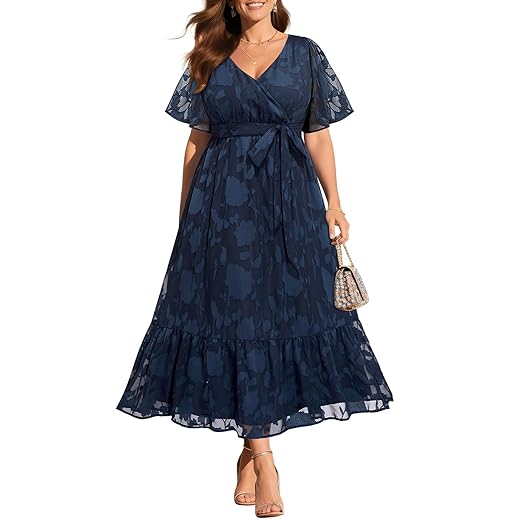
Decode the Dress Code: From Formal to Casual (and Everything in Between)
Black Tie / Formal
Think floor-length gowns or very dressy cocktail dresses; tuxedo for men.
Black-Tie Optional / Formal (a bit relaxed)
You can wear a long gown or a refined cocktail dress.
Cocktail / Semi-Formal
The most common evening code—dressed but not overdone.
Dressy Casual / Smart Casual
Upscale daytime or backyard weddings with an elevated vibe.
Casual
Relaxed, daytime events—think summer garden or BBQ.
Themed or Cultural Dress
Follow the theme or host’s cultural cues—asking is encouraged.
Interpreting Vague Invites
Outfit Examples (quick)
Common Faux Pas to Avoid
Match Your Dress to the Venue, Time, and Season
Read the room: venue-specific adjustments
A church or temple often calls for coverage and conservative hemlines; a ballroom rewards floor-length drama. At the beach or garden, lighter fabrics and shorter hemlines read better on sand and grass. Barn and backyard weddings favor rustic textures and easy-care fabrics; rooftop ceremonies at sunset can be glamorous but windy—avoid flimsy layers that will fly.
How light and time change your choices
Natural daylight softens color and shows texture; midday sun can make pale pastels look washed out, while evening lights deepen jewel tones and sparkles. As a rule:
Terrain, stairs, and mobility — plan like a pro
If cobblestones, lawn, or stairs are on the route, prioritize a practical heel height and hem management. Train length that pools beautifully in a ballroom will snag on gravel.
Quick tips:
Weather and seasonal strategy
Think layers, not regrets. Summer: favor linen blends, moisture-wicking linings, and breathable silks. Spring/fall: lightweight jackets, pashminas, or structured blazers. Winter: insulated wraps, wool blends, or a chic long coat. Pack small essentials:
Fast swaps for ceremony → reception
Transition seamlessly with small swaps that change your look and comfort level:
A little planning — thinking light, length, grip, and layers — keeps you stylish and comfortable from processional to last dance.
Choose a Flattering Silhouette, Color, and Fabric for Your Body and Style
Silhouettes that flatter different shapes
Think of silhouettes as visual tools that balance proportions. Quick matches:
A real-world tip: a friend swapped from a tight sheath to a subtle fit-and-flare for the reception and felt instant freedom to dance.
Color and pattern: pick what pops
Color affects perceived contrast and warmth. Guidelines:
Print scaling matters: small, dense prints can minimize attention; larger, bold prints read as statement pieces on taller frames. Vertical stripes and elongated patterns create length.
Fabrics and texture: matte vs. shiny, structured vs. drapey
Fabric changes how a silhouette reads:
Necklines & sleeves: framing the face and shoulders
Pregnant, nursing, and plus-size considerations
Empire and wrap dresses are maternity-friendly; hidden zips, nursing panels, and easy-to-pull-over styles make feeding simpler. For plus-size guests, structured fabrics with seams and waist definition create flattering lines.
Decision-making prompts
Ask yourself: What needs emphasis or camouflage? Will I be comfortable for hours and photos? Is the look wedding-appropriate? Use that checklist to adapt trends—pick one fashion-forward detail (print, sleeve, or fabric) and keep the rest classic so you feel confident all night.
Practicalities: Comfort, Fit, Alterations, and a Backup Plan
Comfort without sacrificing style
Style is useless if you dread every hour. Prioritize breathable fabrics, strategic lining, and stretch where you need it. Choose shapewear that smooths without compressing—if you’re trying something new, test it during a full-day trial (breakfast through evening) to check comfort and breathing. Real-world tip: one guest switched to high-waisted control shorts for a summer barn wedding and avoided the mid-reception wedgie and muffin-top panic.

Shoes you can actually stand—and dance—in
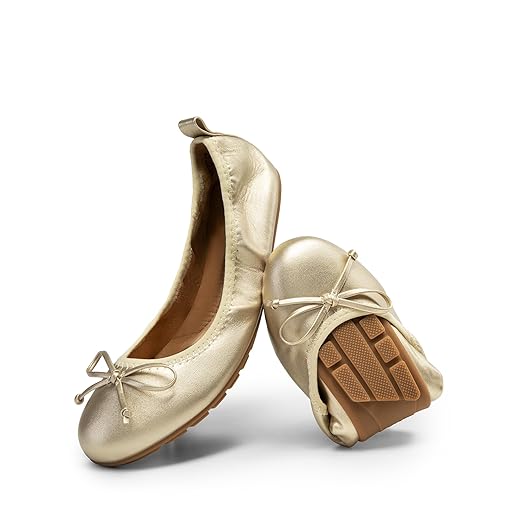
Pick shoes with stable soles and a sensible heel. Practical options:
Fit and alterations: timelines and common fixes
Schedule alterations early: book a seamstress 4–6 weeks before the wedding; expect a final fitting 7–10 days prior. Many shops offer 48–72 hour rush services for a fee.
Common fixes:
When trying on, always bring the shoes you plan to wear—the hem is meaningless otherwise. Allow 1–1.5 inches of seam allowance for major adjustments. If between sizes, choose the larger and alter down.
DIY minor fixes (for last-minute rescue): blind-hem tape, emergency fabric glue, sewing seam ripper and needle for a quick stitch, and double-sided fashion tape to tame gaping.
Wedding-day emergency kit
Contingency strategies
Pack a travel-ready outfit and shoes in your carry-on for destination weddings. For sudden weather: a neutral pashmina or clear umbrella saves photos. If alterations fall through, hire a local seamstress upon arrival (hotels and bridal salons have recommendations), or use clever fixes—safety-pinned hems and layered scarves—to keep you comfortable and camera-ready.
Finish Strong: Accessories, Hair & Makeup, Etiquette and Smart Shopping
Elevate with accessories: scale, function, and layering
Accessories turn a dress into a statement. Match jewelry scale to formality: delicate studs or a pendant for daytime/semi-formal; bold chandelier earrings or a cuff for black-tie. Necklace length should complement the neckline (e.g., short collarbones with scoop or V; long pendant with high neck). Belts can define waistlines—thin metallic belts for evening shimmer, wider textured belts for daytime tailoring. Choose wraps by weather and tone: cashmere or pashmina for chill, silk shawls for elegant warmth, or a tailored blazer for a modern twist.
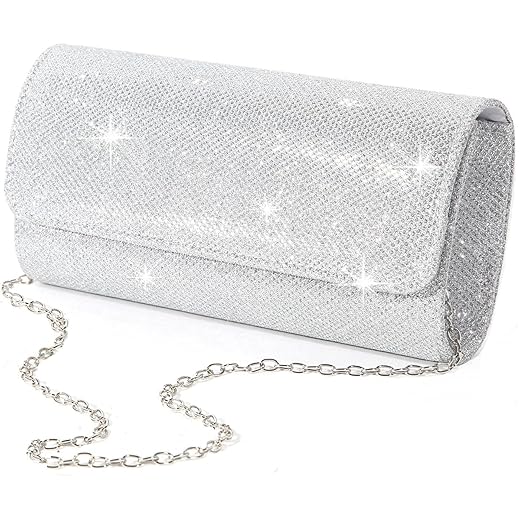
Clutch vs. bag: clutch or minaudière suits formal after-dark affairs (keep it compact—phone, cards, lipstick). For multi-hour weddings, a small crossbody with a detachable strap and interior pocket is far more practical. Look for secure closures, detachable straps, and neutral or metallic tones that pair with multiple outfits.
Hair and makeup that harmonize with the look
Let your hairstyle and makeup echo the dress’s vibe. For structured evening gowns, opt for a polished updo to show off necklines and statement earrings; for boho or outdoor weddings, loose waves and a natural glow feel appropriate. Practical tips:
Etiquette-sensitive considerations
Avoid white, ivory, or anything overtly bridal unless the invitation explicitly permits it—brides do notice. Respect cultural or religious dress requests (e.g., covered shoulders, head coverings) and follow family color instructions; if a family is asked to wear the same hue, don’t try to steal the spotlight with a bridal-esque silhouette. When in doubt, ask the hosts privately—most appreciate the courtesy.
Smart shopping and timing
Decide rent vs. buy: rent designer pieces (Rent the Runway, ARMOIRE) for one-offs; buy for repeat-use or sentimental value. Thrift and consignment shops (TheRealReal, local boutiques) can yield unique finds—plan for a small alteration budget. Timeline checklist:
Questions to ask retailers:
Sustainable and budget-friendly finishing moves
Choose rental, vintage, or sustainably made fabrics; swap accessories with friends; upcycle thrifted pieces with a quick tailor or bead trim. Small changes—statement earrings, a belt, or a tailored blazer—often deliver maximum style for minimal cost and environmental impact.
With your accessories, grooming, etiquette choices, and shopping plan in place, you’re set to finalize the last details before moving on to the checklist in the Conclusion.
Walk In Confident: Your Simple Checklist
Read the invite, decode the dress code, and align your outfit with the venue, time, and season. Choose a flattering silhouette, color, and breathable fabric that complements your body and personal style; prioritize comfort and plan for alterations so the fit feels effortless.
Checklist for shopping or packing: invite details, venue and season, chosen outfit (fit + fabric), scheduled alterations, emergency kit (safety pins, stain remover, comfy shoes), accessories, hair and makeup plan, and etiquette-ready behavior. Walk in confident — you’re dressed to celebrate. Enjoy the celebration — your thoughtful choices will shine and smile.


Leave a Reply