

Simplify Your Style, Amplify Your Confidence
A capsule wardrobe streamlines dressing, reduces decision fatigue, and stretches your budget. This six-step guide gives a practical roadmap to build a functional, stylish capsule you’ll actually wear—no extremes, just smarter choices to simplify mornings and boost confidence every day.
What You’ll Need
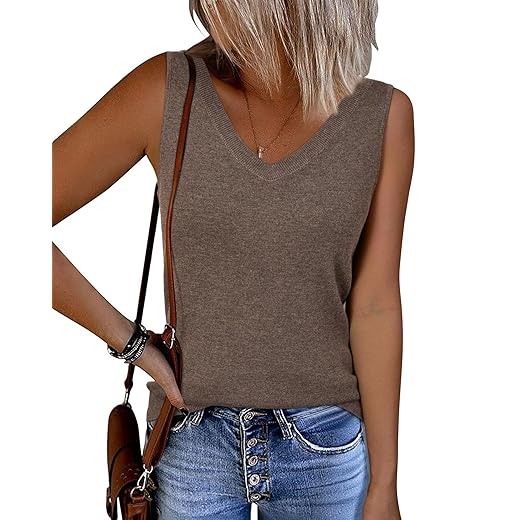
Audit Your Closet Like a Scientist
What if most outfit problems are already lurking on your own hangers?Empty your wardrobe and examine every item. Try things on, move around, and ask: does this fit, flatter, and feel like me? Take quick phone photos of outfits you actually wore in the last 6–12 months.
Note fit issues (tight waist, droopy shoulders), comfort, and whether the item sparks joy or stress. Create four clear piles:
Use photo evidence and calendar memory: if you can’t find 3–5 real wears in a year, move it out. Aim to identify true essentials and eliminate single-use or ill-fitting items so you can define the core of your capsule.
Define Your Personal Style Rules
Stop copying trends — find the version of ‘you’ that never feels forced.Write 3–5 style words that capture your ideal look (e.g., relaxed, polished, minimalist, eclectic). Build a simple mood board from photos, magazine clippings, or a Pinterest board to visualize the vibe.
Note silhouettes, necklines, hemlines, and the daily energy you want—casual and comfy, structured and sharp, or soft and romantic. For example, choose slim trousers and boat necks for a polished office look, or wide-leg jeans and oversized knits for a relaxed weekend vibe.
Note which features matter most:
Cross-check with lifestyle needs—work dress codes, kids, gym, travel—so your capsule reflects real life, not aspirational occasions.

Choose a Compact Color Palette
Fewer colors = exponentially more outfits. Sounds simple because it is.Choose 2–3 neutrals to form a flexible base. Pick tones that flatter you—navy, gray, camel, black, or white—so jackets, trousers, and shoes layer without clashes.
Add 1–2 accent colors for tops and accessories that repeat across pieces (for example, burgundy or teal) and one highlight piece (a bright bag, a patterned scarf) to lift outfits.
Use textures and small-scale patterns to add interest while keeping cohesion—think a ribbed knit, suede boot, or thin-striped blouse.
Examples:
Select 2–3 neutrals for your base (black, navy, camel, gray, or white), 1–2 accent colors, and 1 highlight (pattern or bright). Limit the total to about 4–6 colors for maximum interchangeability. Use textures and small patterns to add interest without breaking cohesion. A consistent palette turns a handful of pieces into dozens of outfits.

Pick Versatile, Quality Pieces
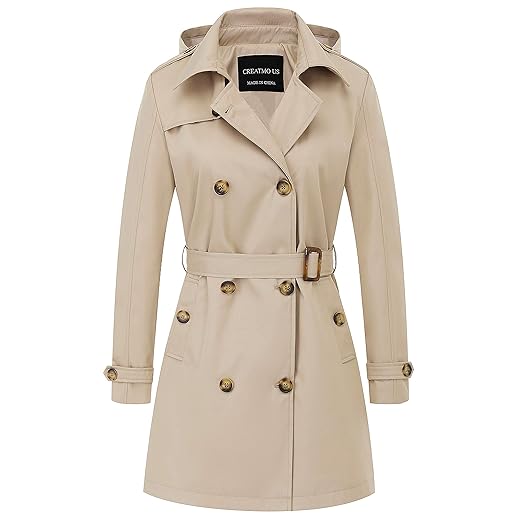
Buy less, pick better — invest where it actually improves every outfit.Choose items that multi-task: a tailored blazer that dresses up jeans, a fine knit that layers under coats, a neutral trench, and two reliable shoes (clean sneakers + ankle boots). Keep colors and cuts simple so pieces pair without fuss.
Build a capsule of about 30–40 wearable pieces (excluding underwear/activewear). Include:
Prioritize fit and fabric: choose natural fibers, strong seams, and precise tailoring. Try everything on and move—sit, reach, walk—to confirm comfort. Example: a navy blazer + white tee + jeans for daytime, swap to ankle boots and a silk scarf for evening. Buy fewer, better items that truly earn rotation.
Create Easy Outfit Formulas
Never stare at your closet again — use repeatable formulas that look fresh.Develop 5–8 outfit formulas built from your capsule pieces. Write each formula as a repeatable recipe and keep them simple.
Create quick examples:
Photograph every combination and save images in a folder or phone album. Label images with the formula name and note weather or occasion. Assign outfits in advance on a simple calendar so mornings are decision-light. Rotate using a simple calendar approach—plan 2 weeks of outfits or create a capsule lookbook. This turns your pieces into a predictable system so dressing becomes decision-light and reliable.

Maintain, Edit, and Shop Intentionally
A capsule isn’t a shrine — prune it regularly so it keeps working.Schedule seasonal edits: launder, mend, donate, and swap items out. Do a full pull in spring and fall—wash, fix loose buttons, sew hems, and box off-season pieces.
Follow a one-in-one-out rule for non-essential buys. If you buy a sweater, donate one you no longer wear.
Keep a short shopping checklist based on gaps you actually need (not impulse wants). Example checklist items:
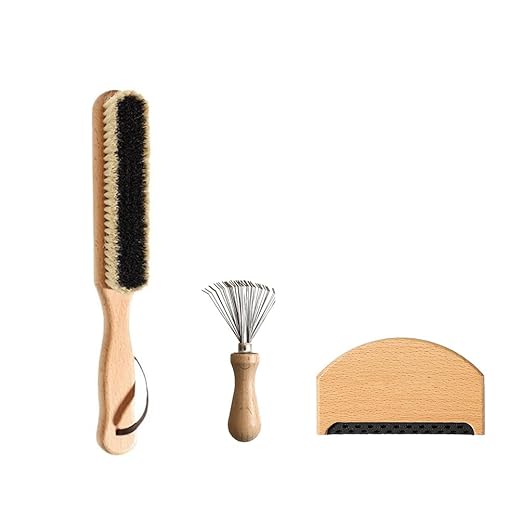
Perform quarterly audits: try everything on, repair small issues (missing buttons, loose seams, scuffed soles), and remove items that no longer fit your life. Quarterly audits and small repairs keep the capsule fresh and wearable while preventing clutter creep.
Make It Yours and Stick With It
Build your capsule following the six steps, tailor it to your routines, and commit to seasonal edits—then enjoy less stress, smarter spending, and effortless outfits daily. Try it, share your before/after photos or tips, and join the capsule conversation today.
32 responses to “6-Step Guide to a Capsule Wardrobe That Actually Works”
Audit like a scientist? Oh, you sweet innocent author. I literally made charts.
Line graph of ‘Items I love’ vs ‘Items that haunt my closet’.
Pie chart for ‘things I bought on sale and never wore’.
My roommate laughed until I presented the results with a laser pointer.
But actually — that method forced me to donate like 40% of my stuff. Worth it.
Yes please to the template. I’ll bring the snack charts next time 🥨
If anyone wants, we could share a simple audit template (spreadsheet) in the comments. Would that help?
Love the data-driven approach, Oliver! If nothing else, the visual accountability helps. Also: funny but effective.
Ha — I keep a ‘maybe’ pile for 30 days. If I haven’t reached for it, it goes. No charts needed but similar results!
Laser pointer = next-level commitment. Would attend that presentation 😂
The maintenance/editing section is underrated. I schedule a 30-min edit every 6 weeks and it prevents the pile-up.
Also: learn some basic mending. Saved so much clothing from premature retirement.
Love this, Maya. Small regular edits beat dramatic purges every few years. And mending is an underrated life skill — so glad you mentioned it.
If you’re not into sewing, a local tailorshop can be cheap and life-changing for fit tweaks.
Can someone give simple outfit formulas? The guide mentions them but I’m visual and need examples.
Also: how many formulas should one have? Is 3 too few?
Also try writing your formulas down and snapping a photo — makes mornings bulletproof!
I use 4: casual, work, weekend date, and travel. Keeps choices manageable without feeling robotic.
Short list of easy formulas: 1) Shirt + blazer + jeans + loafers. 2) Knit sweater + midi skirt + ankle boots. 3) Tee + tailored trousers + sneakers. 3 is a perfect starting point — build from there.
I appreciate the idea, but shopping ‘intentionally’ feels a bit prescriptive. Not everyone has the taste/space to reduce to a list of rules.
Also, some careers require a bigger wardrobe (work uniforms, stage outfits, etc.).
Maybe the article could include more caveats?
Agreed — I adapted the rules to my life (teacher + kid pick-up duties) and it’s more of a guideline than a strict rulebook.
Good point, Ethan. The guide is meant as a framework, not a strict regimen. Definitely worth calling out exceptions — careers, cultural dress, and hobbies can all change the ideal approach.
Apps like Closet+ or Stylebook help tailor the system to non-standard wardrobes. You can categorize uniforms separately and still get the benefit of less decision fatigue.
Tried minimalism once. Ended up with three black tees, one suspicious cardigan, and a scarf that might be living its best life elsewhere. 🤷♂️
This guide is fun though — step 2 actually made me think beyond “just black everything.”
Haha — sounds familiar! Step 3 (compact color palette) helps avoid the all-black trap while keeping things simple. Try adding 1–2 accent colors you enjoy.
Same here. I swapped one black tee for a navy one and suddenly outfits felt less gloomy. Small swaps = big mood change.
Love the clear steps — especially “Audit Your Closet Like a Scientist.”
I actually made a little spreadsheet and timed how long it takes me to decide what to wear. Wildly nerdy, but it worked 😂
The bit about outfit formulas is gold: having 3 go-to combos saves so much morning angst.
Question: do you recommend rotating a seasonal mini-capsule (like summer/winter) or keeping one mix all year?
Would love tips for dorm-room storage — limited space here!
Dorm tip: hang a narrow shoe organizer inside your closet for small accessories. Works better than boxes imo.
Great experiment, Lena — love the spreadsheet idea! For dorms I usually recommend a small seasonal rotation: keep 8–12 core items per season accessible and store the rest in vacuum bags under the bed. Makes mornings way easier.
I do the seasonal mini-capsule and it’s saved my sanity. I swap 10 pieces every 3 months and label the boxes. No drama, tbh.
Really liked the color palette section — the examples made it feel achievable. 💡
I kept my palette to navy, camel, white, and one muted green and now everything actually matches (magic!).
One tiny nit: definitley (typo intended 😅) say something about prints — when to keep a print as a staple vs. treat it as an accent?
Would a bold floral ever belong in a capsule?
I have one floral midi that matches my neutrals and I wear it with a blazer, denim jacket, and ankle boots — it’s earned its spot.
Another tip: treat prints like a color — if the dominant colors fit your palette, it’s easier to mix-and-match.
If the print makes you happy and you actually wear it, it belongs in a capsule. Rule of joy > rulebook 😉
Great palette, Priya — sounds cohesive! For prints: keep one or two repeatable prints that share colors with your palette. A bold floral can work if it’s anchored by neutrals and you can pair it 3+ ways.
Helpful guide but worried about the cost. Step 4 says pick ‘quality pieces’ — what’s the middle ground for someone on a tight budget?
Are there specific items worth splurging on and others to save on?
Secondhand shops and local consignment shops are gold. I found a near-new wool coat for 30% of retail last month.
Totally valid question, Jason. Prioritize shoes, a good coat, and a well-fitting blazer for splurges — these get the most wear and effect. Save on trendier pieces and basics like tees if needed; look for good fabric blends rather than luxury labels.