
Why All-Day Leggings Are a Game-Changer
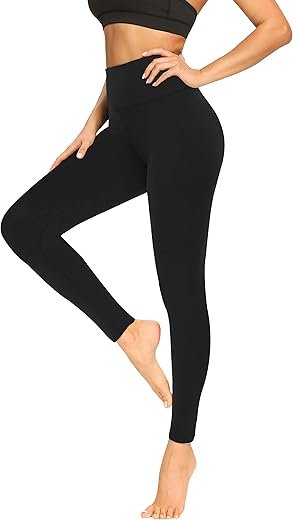
Over 60% of people say they wear leggings beyond working out — and for good reason. All-day leggings blend performance fabrics and polished silhouettes so you can go from treadmill sprints to coffee runs without changing. They feel like sweatpants but look put-together, saving time and simplifying closets.
This article cuts through hype to show what truly makes a legging versatile: the fabrics, fit, and smart technologies that keep you dry, supported, and confident. You’ll learn how to choose the right cut and length for your routine, practical styling tips to dress them up or down, and the buying and care actions that extend lifespan. Read on to build a reliable, comfortable rotation and style.


What Makes a Legging Truly Versatile: Performance Meets Everyday Wear
Balance: performance and everyday comfort
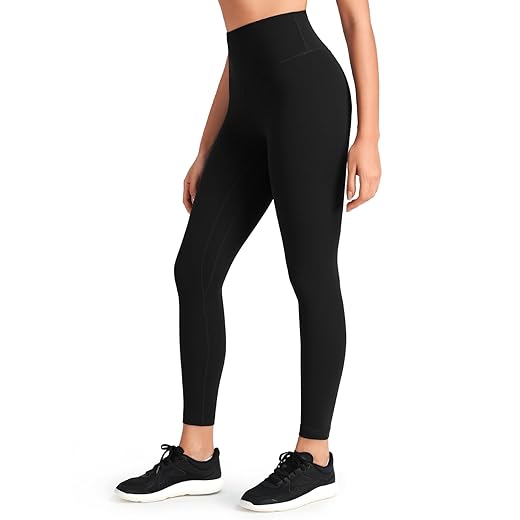
A truly versatile legging performs in two worlds: the studio and the street. Think support, sweat control, and full range of motion for squats and sprints — paired with the softness, coverage, and durability you need to sit through meetings, chase kids, or ride a bike. Picture a commuter who bikes to work, teaches a lunchtime class, then runs errands: they need one pair that does all three without fuss.
Foundational attributes that matter
Key construction details are where versatility is won or lost:
Trade-offs, and how modern designs bridge them
Very compressive fabrics improve recovery and muscle support but can feel restrictive for all-day wear. Ultra-soft, low-compression leggings win comfort but may lack squat-proof opacity or hold. Look for hybrid constructions (power-mesh panels with soft polyester/nylon blends) that give targeted support where you need it and comfort where you don’t.
Quick, actionable tips:
These details separate a one-activity tight from an all-day workhorse you’ll reach for again and again.
Key Features to Look For: Fabrics, Fit, and Function
Fabric families and what they do
Choose fabrics by the performance you need—not trends. Quick guide:
Performance traits to prioritize: moisture-wicking, breathability (mesh panels or lighter knits), stretch/recovery, softness next-to-skin, and abrasion resistance for longevity.
Technical construction that matters
Small details make big differences in movement and comfort:
Extras, finishes, and how to choose by activity
Useful add-ons depend on your routine:
Match features to use: long-distance runners need quick-dry, low-chafe fabrics and reflective details; HIIT lovers prioritize compression and bonded seams; casual walkers and commuters will value softness, pockets, and sustainability. Next up: how silhouettes and lengths influence movement and everyday style.
Cuts and Lengths: Choosing the Right Silhouette for Movement and Style
Waistlines: high-rise vs mid-rise
High-rise sits at or above the natural waist—offers core coverage, prevents riding during squats, and creates a polished look for errands or coffee runs. Mid-rise hits just below the belly button and can feel less constrictive during long runs or cycling. A secure, wide waistband with internal silicone grip or multiple stitches matters more than label height: it keeps you confident in motion and looks smooth under a tunic or blazer.
Lengths and when to choose them
Full-length (ankle- or floor-grazing)
7/8 (just above the ankle)
Ankle-length
Cropped (mid-calf)
Biker shorts
Compression levels and activity
Sizing: the fine line
Too-tight leggings restrict circulation, cause chafing, and can “camel toe” or dig at the waist. Too-loose pairs slide, create friction, and read as shapeless on the street. Try moves you’ll do (squat, lunge, run in place) before buying, and prioritize mobility over vanity when in doubt.
Smart Fabrics and Technologies That Make Leggings Work All Day
Moisture management: wicking and quick‑dry yarns
Modern leggings start at the fiber level. Moisture-wicking finishes pull sweat from skin into the outer fabric where it evaporates; quick-dry yarns (polyester or nylon blends engineered with capillary action) speed that process. Think: you finish a hot spin class and your top half dries before your coffee order—same idea for leggings.
Breathability and targeted ventilation
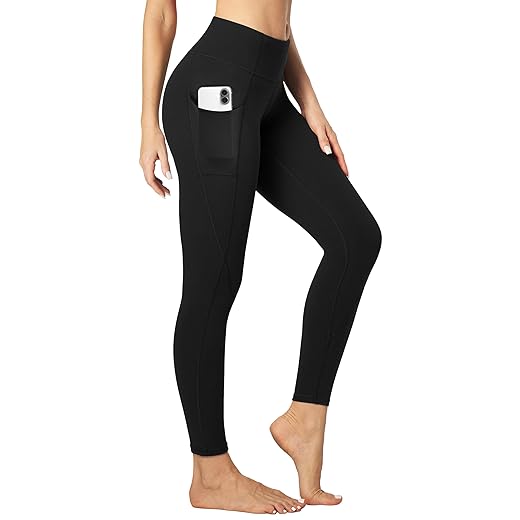
Breathable mesh panels or laser-cut micro-perforations add airflow where you need it most—behind the knee or along the thigh—without sacrificing opacity. Look for descriptions like “vent panels” or “strategic mesh” if you run long or train outdoors.
Odor control and antimicrobial treatments
Antimicrobial finishes (brand names you’ll see include “Polygiene” and similar) inhibit bacterial growth that causes odors. These treatments are a game-changer for multi-use leggings: gym-to-grocery pairs can stay fresher between washes.
Sun protection and outdoor tech
UPF-rated fabrics block UV rays—handy for running or hiking. Tags will say “UPF 30” or “UPF 50+”; higher numbers give substantially more protection for all-day outdoor wear.
Sustainable fiber options
Recycled polyester/nylon and regenerated fibers (e.g., recycled ocean plastics) are increasingly common. They perform similarly to virgin fibers but reduce environmental footprint—look for certifications like GRS or recycled-content percentages.
Construction and hand-feel: seams, gussets, and coatings
Bonded seams and flatlock stitching reduce chafe and create a smooth silhouette. Gusseted crotches increase mobility. “Brushed” or “buttery” finishes describe a soft inner nap that feels plush against skin—great for low-compression comfort.
Trade-offs and label-reading tips
Higher elastane content and engineered yarns give firm compression and muscle support; lower-elastane, brushed blends favor comfort and relaxed movement. To identify tech quickly, scan the tag/description for:
Next up: how to style and test those features in real life.
Styling Tips: How to Wear Leggings From the Gym to the Grocery
Smart layers that look intentional
After a sweaty set, layering makes leggings feel polished—not thrown-on. Reach for:
A friend once finished a HIIT class, threw on a longline tee and denim jacket, and made coffee without missing a beat—small layers = big confidence.
Footwear that transitions
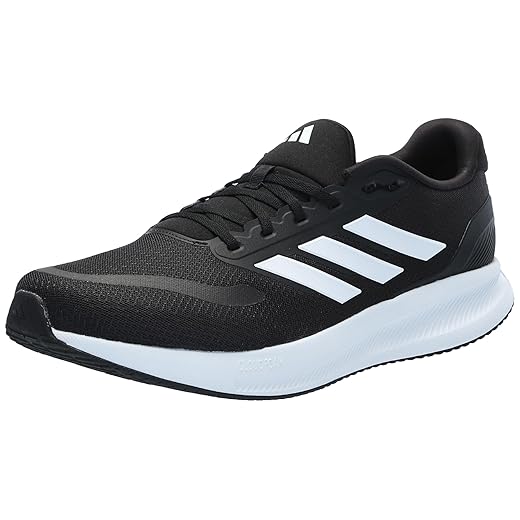
The right shoes move with your day:
Accessories that elevate functionally
Accessories can make leggings look intentional rather than lazy:
Color, pattern, and versatility
Choose neutrals for maximum mixing: black, charcoal, navy, olive. Reserve bold prints for statement days—pair a patterned legging with a solid top to avoid visual overload. Matte fabrics feel more polished than shiny finishes for errands or meetups.
Quick-change, real-world tricks
Outfit formulas for common scenarios
Keep a small “go” kit in your gym bag—then you’ll really be ready to sweat, run, repeat, and socialize.
Shopping and Care Guide: How to Choose, Test, and Maintain All-Day Leggings
Try-on and test checklist
When you try leggings in store (or immediately upon delivery), run this quick routine:
Online buying & sizing strategies
Measure hips, waist, and inseam; compare to the brand’s chart, not the size number. Read recent reviews for real-world fit notes (height and usual size are gold). Order from retailers with free returns or try two sizes and return one. Look for video reviews showing stretch and squat tests—those are worth their weight in returns.
When to splurge—and when to save
Invest in pricier technical pairs ($70–$140) if you: run regularly, need high compression, or want long-term chlorine/sweat resilience (think Lululemon Align alternatives or running-specific ColdGear-style tech). Save on trend prints or casual lounge leggings ($20–$50) that won’t be used for heavy training. Real-life note: a $30 pair can be perfect for weekend errands but often loses recovery faster than a $100 performance legging.
Care to keep them like new
When to replace a pair
Replace leggings when you notice loss of recovery (they don’t spring back), pilling, persistent odor after washing, thinning/see-through spots, or a permanently saggy waistband.
With these shopping and care habits, your leggings will perform longer—next, we’ll tie fit, function, and style together in the final takeaways.
Finding Your Perfect Pair: Balance Fit, Function, and Style
Prioritize fit and fabric technology that match your main activities—think breathability and stretch for workouts, opacity and recovery for everyday wear. Test high‑impact features: waistband comfort, pocket placement, and squat‑proof opacity. Consider cuts and lengths that support movement and flatter your silhouette, and lean on smart fabrics (moisture‑wicking, compression, antimicrobial) for all‑day performance.
Use styling tips to transition from gym to errands—layer with oversized tees, structured jackets, or longline sweaters—and follow care guidance to preserve stretch and color, and longevity for everyday wear. Identify where comfort, performance, and aesthetics meet for you, then buy fewer, better pairs that you can sweat, run, and repeat with confidence. Ready, set, find your pair.
22 responses to “All-Day Leggings: Sweat, Run, Repeat”
This was hands-down the most practical guide I’ve read on leggings. The styling tips actually made me rethink outfits: pairing the SINOPHANT Full-Length Ultra-Soft with a blazer looks surprisingly good for quick meetings after the gym.
I bought FULLSOFT for yoga and the SINOPHANT Ultra-Soft for casual wear. The Heathyoga pockets are great when I’m running errands with a toddler (endless snacks).
Care tip I use: hang-dry for longevity and avoid fabric softener — keeps the stretch intact.
Blazer + leggings is my go-to. Also, if you pair SINOPHANT with a longline tee you can easily go from gym to coffee. Toddler snacks = eternal struggle 😂
@Dana Rios yes! longline tees are lifesavers. And the Heathyoga pockets actually hold a small juice box — not that I tested that or anything 😅
Love the blazer + leggings combo — great example of transition styling. Thanks for the care tip too, Sophie.
I appreciated the detailed fabric tech section, but ran into a real issue: compression leggings (looking at you, HeyNuts High-Waist Compression) gave me chafing after two workouts. I follow the washing/care guide but still had irritation where seams meet.
I’m a runner and gym-goer — what do people do about seam placement? Do SINOPHANT products have flatlock seams? Any recs for non-chafing yet supportive leggings?
Not trying to be dramatic — just want something that survives both squats and day-to-day wear.
Another tip: try size up or go for higher-rise cuts — sometimes compression that’s too tight at the hips causes rubbing near seam joins. If you can, order two sizes and return the ill-fitting one (Shopping guide section suggests testing before finalizing).
I had the same problem at first. Switched to leggings labeled ‘flatlock seams’ and it changed everything. Heathyoga’s multiple pockets line also uses flatter seams in my pair.
Sorry to hear that, Marcus. Seam placement matters a lot — flatlock seams are usually best for reducing chafe. The SINOPHANT Super-Soft mentions flat seams in some listings, and the Full-Length Ultra-Soft often emphasizes seamless or flatlock construction. Also consider anti-chafe balms for sensitive areas and double-check the fabric blend — higher nylon/spandex mixes sometimes reduce friction.
Thanks everyone — good tips about flatlock and sizing. I’ll look for SINOPHANT flat seams and test a size up.
I solve it by alternating between compression and soft-compression days. Gives skin time to recover. Also, dryer sheets? jk 😂 seriously though, fabric softener-less washes help longevity.
Loved the breakdown in the article — especially the bit about smart fabrics. I’ve been rotating between the FULLSOFT High-Waist and the SINOPHANT Super-Soft for runs and errands.
The FULLSOFT actually holds my core in during HIIT, and the SINOPHANT doesn’t pill after a few washes. Also, Heathyoga’s pocket leggings saved my life at the farmers’ market (phone + keys fit snug).
Minor nit: I wish there were more pics of the different cuts on real bodies. But overall, great guide for picking all-day leggings!
Omg pockets are everything. Heathyoga’s multiple pockets are the MVP for grocery runs. Glad you mentioned the FULLSOFT for HIIT — I was skeptical about tummy control but it actually works.
Totally agree about the pics. I ordered blind once and it was a gamble. FYI, I take a medium in SINOPHANT and it’s true-to-size for me.
Thanks for sharing your experience, Maya — super helpful for other readers. We’ll push for more body-type photos in a follow-up post. Any chance you can tell us which size you wear in those brands? That helps with fit suggestions.
Good article. Quick question: anyone tried the SINOPHANT High-Waist Leggings with Phone Pockets for long runs? I hate when my phone bounces. Also curious about how the fabric handles sweat — does it smell after a day? 🤔
I don’t need a fashion statement, just functional stuff that doesn’t sag mid-run. Typos incoming cuz I’m typing fast lol.
I used them for a half-marathon once. The pocket is okay if your phone is slim — I had a slight wobble at mile 8 but nothing dramatic. For odor, I wash them ASAP and they’re fine; otherwise, try a vinegar rinse every few washes.
Ethan — great questions. The SINOPHANT with phone pockets are designed with snug side pockets; many users report minimal bounce for short-to-moderate runs. For long runs, some prefer a small armband or a front pocket to reduce movement. As for odor, look for fabrics with antimicrobial finish (mentioned in the smart fabrics section); SINOPHANT Super-Soft sometimes has that feature, but check product specs on Amazon.
Adding: if you sweat a lot, prioritize ‘moisture-wicking + quick-dry’ in Key Features. That combo helps reduce bacteria buildup and lingering smells.
If your phone is big, it WILL bounce. 😂 I switched to a tiny running belt. Also, adidas Run Falcon 5 with good socks helped reduce chafing when I ran longer.
This article basically convinced me to live in leggings forever. 😂 Tried the HeyNuts Butt-Lift ones because who doesn’t want a lift? They’re comfy but I’m still waiting for them to do my taxes.
Also: shoutout to adidas Run Falcon 5 — my feet are finally less dramatic about running. Pro tip: pair comfy leggings with an oversized hoodie and you’re unstoppable at grocery time.
Sarcasm aside, very practical tips here.
Haha the tax thing made me laugh. I have the HeyNuts too — great for shorter workouts but a bit warm for summer runs.
Glad it resonated, Olivia — and we approve of the hoodie+leggings grocery uniform. The HeyNuts have mixed reviews on compression level; glad they worked for you.