
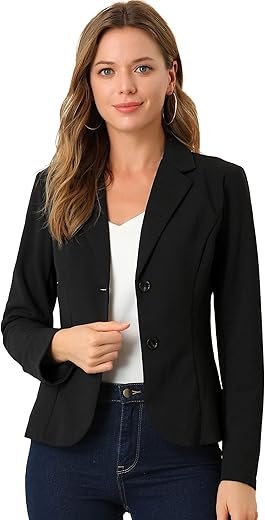
Effortless Office Chic Starts Here
Transform your work wardrobe with simple, intentional choices that feel polished and practical. This guide shows easy strategies to build timeless staples, mix outfits, refine fit and fabrics, accessorize smartly, and maintain looks for confident, stress-free style every day effortlessly.
What You’ll Need

Build a Foundation of Timeless Staples
Want fewer outfit crises? Start with pieces that never go out of style.Begin by auditing your wardrobe: pull every work piece and decide what truly fits and flatters. Remove anything stained, overly trendy, or poorly shaped.
Choose core pieces that mix and match easily. Aim for:
Select fabrics that resist wrinkles and hold shape—crepe, wool blends, cotton-poplin, and silk blends work well. Stick to a cohesive neutral palette—black, navy, gray, camel, white—and add one or two accent colors like burgundy or teal for interest.
Invest in tailoring: nip the waist, shorten hems, or adjust sleeves so garments read polished. Prioritize versatility over trends; a capsule approach speeds morning decisions.
Keep a small seasonal rotation (lighter linens for summer, heavier knits for winter). Finish by choosing signature pieces—a silk scarf, structured tote, or classic watch—to anchor your recognizable office style.

Master Mix-and-Match Outfit Formulas
Why planning three reliable looks beats last-minute panic every time.Create go-to combinations by planning outfits around an interchangeable core. Start with a neutral base—trousers or a skirt plus a shirt—and build layers to change the vibe: blazer for meetings, a fitted knit or vest for casual days, and a structured coat for commutes.
Limit prints and loud colors to one focal item, such as a blouse or scarf, so looks stay office-appropriate yet interesting. Use pattern mixing sparingly: pair a subtle stripe blouse with a muted floral skirt, or a micro-check blazer with solid trousers to add depth without chaos.
Build three reliable outfit formulas for the week:
Photograph and save successful combinations on your phone for quick reference. Rotate shoes and accessories—loafers or heels, a belt, statement earring—to shift mood without changing the outfit. Experiment with one new combination weekly to expand options while maintaining cohesion and boost your personal style effortlessly.

Tailor, Fit, and Fabric: The Details That Speak Volumes
A few smart alterations beat runway trends — every single time.Prioritize tailoring: hem trousers to skim shoes, nip blazers at the waist, and adjust sleeve lengths so cuffs show just enough.
Learn basic alterations that pay dividends—shorten hems, take in side seams, taper sleeves—or build a relationship with a local tailor; for example, ask to add waist darts or reduce shoulder width for a cleaner silhouette.
Choose breathable, wrinkle-resistant fabrics like wool blends, cotton-poplin, silk blends, and performance synthetics for ease of care and polish.
Avoid clingy, sheer, or overly shiny materials unless layered strategically (wear a camisole under a sheer blouse or a matte blazer over a satin top).
Inspect seams regularly and replace missing buttons or loose threads.
Keep an alterations list systematically.
Accessories and Shoes: Small Investments, Big Impact
Want to look luxe without splurging? Focus on these finishing touches.Choose three to five go-to shoe styles and keep colors versatile: comfortable block heels, polished loafers, sleek ankle boots, clean sneakers (add nude or brown if your palette calls for warmth).
Prioritize a handful of quality accessories:
Polish shoes weekly and store bags on dust covers to prolong life; rotate pieces so heels and straps don’t wear out unevenly.
Use belts and hosiery to clarify proportions—tighten a waist with a slim belt, or smooth a skirt line with sheer hosiery.
Mix metals strategically: favor one dominant metal for hardware and jewelry to keep your look cohesive rather than cluttered.
Inject personality with one bold piece: pair a navy blazer with a colorful bag or knot a patterned scarf on your tote to make a neutral outfit intentional.
Swap details to suit your industry—opt for subtler statements in conservative offices and brighter accents in creative fields.

Polish and Maintain: Care, Styling Rituals, and Confidence
Why a 10-minute routine will change how colleagues see you.Finish outfits with a short polishing ritual that reinforces confidence and professionalism. Spend ten minutes before leaving home to check hem lines, iron light wrinkles, touch up makeup, and ensure accessories are balanced.
Keep emergency supplies at the office:
Develop simple grooming standards—neat hair, trimmed nails, subtle makeup—that align with your workplace and make dressing automatic.
Master quick fixes: knot a silk scarf over a coffee stain, swap a blazer for instant polish, or roll sleeves neatly for smart-casual moments.
Adopt a weekly clothing-care routine: launder by labels, steam or press tops and trousers, rotate shoes, and store delicate pieces in breathable covers to extend their life.
Track outfit successes and failures with quick notes or photos so you refine formulas and avoid repeats. Schedule monthly wardrobe reviews to donate unworn pieces, mend favorites, and consciously add replacements.
Keep a simple color-and-proportion cheat sheet on your phone for fast decisions. Practice quick outfit rehearsals on the weekend to test layering, and ask a colleague for honest feedback periodically.

Your Effortless Office, Every Day
Styling for office chic relies on smart foundations, consistent care, and signature touches—mix-and-match systems, reliable tailoring, and a quick polish make dressing effortless. Try these steps, share your results, and start building your confident, everyday office look today right now.
40 responses to “How to Style Work Outfits for Effortless Office Chic”
Mixing prints? Start with one printed piece and pair it with one texture + neutral. I ruined my first attempt by putting two loud prints together — learned the hard way 😂
Also throw in a solid color that appears in both prints to tie them together. Simple trick but works every time.
Scale matching is clutch — tiny polka dot with a large floral looks intentional, not chaotic.
Exactly—pick one statement print and keep the rest simple. If you want two prints, match them by palette or scale (big print + small print).
Nice guide but I’m on a tight budget — any tips for building staples without dropping big $$$? Also where do you draw the line between ‘cheap’ and ‘smart thrift’?
Buy timeless cuts secondhand — you’ll often find great blazers and silk blouses for a fraction of retail. Save on trendy pieces and accessories.
Also try outlet stores and end-of-season sales for that high-quality blazer. Patience goes a long way.
Good question, Daniel. Start with neutral basics from affordable brands for items that trend (like tees) and invest in one or two higher-quality pieces you wear the most (blazer, coat). Thrifting is great for blazers and wool trousers if you check seams and linings for wear.
When thrifting, look for natural fibers (wool, cotton, silk) and avoid heavy pilling or stains. Alterations are cheaper than buying new sometimes.
Love this — the step-by-step made me actually rethink the 10 blazers in my closet. A few things I tried after reading:
1) Invested in one great navy blazer, tailored it, and it’s my go-to.
2) Kept a capsule of 5 mix-and-match bottoms and 6 tops — outfits feel endless.
3) Fabric tip: wool blends for blazers, Tencel for blouses.
Question: any quick rules for choosing blazer lining fabrics? I live in a warm city and hate sticking to jackets 😅
I’ve been adding snap-in thin cotton liners to some older blazers — weird hack but works. Gives a bit of polish without the sweat.
So glad it helped, Sarah! For warm climates, look for breathable linings like Bemberg (cupro) or lightweight viscose blends — they let air circulate more than polyester linings. Also try unlined or half-lined blazers if you want max airflow.
Agree with the Bemberg rec — also look for jackets with vents and looser structure. Unstructured blazers feel way less stuffy in heat.
Office chic? I call it ‘how to look like you didn’t just roll out of bed but definitely did.’ 😂
Kidding aside, the mix-and-match formulas are gold.
Haha love that — the goal is effortless, not overworked. Start with 3 outfit formulas and build from there.
Totally — I keep a ‘cheat sheet’ of 5 combos pinned in my closet. No morning decisions, zero regrets.
Omg this guide came just in time. Long post incoming — I tried to apply every section for a week:
– Monday: Foundation staples — white shirt + black trousers + nude pumps
– Tuesday: Mix-and-match formula — patterned skirt + neutral blazer
– Wednesday: Tailoring day — got my trousers hemmed and it changed EVERYTHING
– Thursday: Accessory focus — swapped plain belt for braided leather, instant upgrade
– Friday: Care ritual — steamed everything, used a shoe tree, felt like a million bucks
Two q’s: how often do you folks re-tailor after seasonal weight changes? And do you hand-wash silk blouses or dry clean? I’m paranoid I’ll ruin them 😬
If it says ‘Dry Clean Only’ I typically follow it, but I’ve hand-washed a few cheaper silk blends without issue. Test a corner first tho!
I gained 6 lbs last winter and only needed pant adjustments at the waist + 1 new belt. So yeah, seasonal tweaks usually suffice.
Amazing run-through, Olivia! For tailoring: small fit changes (up to ~1 inch) can usually be adjusted seasonally — once or twice a year is common. For silk: gentle hand-wash with silk-specific detergent can be fine for many blouses, but if it has complex structure, beading, or a heavy lining, dry clean.
Also pro tip: keep a list of items that were altered and by how much—tailors can recreate or reverse changes later if needed.
I rotate my dry cleaning schedule—silks that touch the face get cleaned more often. Otherwise I hand-wash in cold water and lay flat.
This is the vibe I needed 🥰 Clean, wearable, realistic. Loved the ‘polish and maintain’ rituals — especially the steam-first rule. My blazer lasts twice as long now!
Yay Chloe! Steam-first is a simple habit with big payoff. Glad it’s working for you.
Same — mini steamer is officially my best budget investment for office clothes.
This guide is great but I felt the accessory section was a bit light on examples for minimalists. I prefer subtle jewelry but also want to make outfits feel intentional. Any suggestions for tiny investments that read polished without being flashy?
Also, try sticking to one metal tone per outfit to keep the look cohesive—mixing metals can work but is trickier for minimalist styles.
Good point, Priya. Minimalist staples that elevate: a thin gold or silver hoop, a simple chain necklace that sits at collarbone, a leather strap watch, and a structured belt in black or brown. One of these small pieces per outfit is usually enough.
I swear by matte finish hoop earrings — look sophisticated but not shouty. Also a single signet ring can be subtle and interesting.
For work, a compact silk scarf knotted on the handle of your bag or worn loose at the neck adds polish without jewelry if you hate rings/earrings.
Loved the fabric and care section. Quick sustainability note: anyone else looking for low-waste options? I swap out fast-fashion blouses for deadstock or organic fabrics and mend rather than toss. Curious if others have eco-friendly care routines.
Appreciate you bringing that up, Hannah. Sustainable choices fit right into ‘polish and maintain’ — mend, wash less, line dry, and choose repairable shoes. Small habits add up.
Mending is underrated. I keep a simple repair kit and fix seams or loose buttons instantly. Saves money and clothes.
I use a sweater comb for pilling and biodegradable detergent. Also try parceling clothes to friends instead of donating to big bins—keeps clothes in circulation.
Shoe talk in section 4 = chef’s kiss. Finally someone telling me to spend on comfy pumps. Q: any recs for heels that survive a full day and a commute?
Try loafer heels (small stacked heel) — feel sturdy, look polished and less likely to kill your feet by midday.
Look for 2-2.5 inch block heels with padded insoles and secure straps. Brands with replaceable footbeds and rubber toe caps are lifesavers. Also bring foldable flats for long commutes.
Pretty solid. One thing tho — my office is so casual that ‘chic’ often = clean sneakers + blazer. Does that count as effortless office chic, or is that just laziness disguised as style? 😅
That absolutely counts! Effortless office chic is context-dependent. Clean minimalist sneakers paired with a structured blazer or tailored trousers strike the right balance for casual workplaces.
It’s a vibe. As long as pieces are clean and intentional, it reads put-together, not sloppy. Pro tip: swap scuffed soles for fresh ones or use a shoe touch-up kit.