
Why Wearable Art Makes the Best Gift
Have you ever watched someone light up when they receive a piece of jewelry that feels truly personal? Artisan jewelry is wearable art—handcrafted, story-rich, and one-of-a-kind. Unlike mass-produced accessories, these pieces carry the maker’s touch and meaning, making them memorable gifts.
This guide explores what makes artisan jewelry special: craftsmanship, materials, and the stories behind pieces. You’ll find gift ideas matched to personality and occasion, tips for sourcing and commissioning ethically, and practical advice on presentation and aftercare. By the end, you’ll be ready to choose a standout artisan piece that delights and endures.
Expect examples, budgeting tips, ethical sourcing advice, and simple care steps to keep treasures beautiful for years to come.


What Makes Artisan Jewelry Special: Craftsmanship, Story, and Value
Handcrafting Techniques: the making matters
Artisan jewelry shines because of techniques that leave a human fingerprint. Quick snapshots:
These methods affect weight, repairability, and how a piece drapes—so ask which technique was used when choosing for comfort and longevity.
Maker’s vision and the narrative behind each piece
Artists embed intention: a pendant cast from a beach-found silver spoon, a bracelet using reclaimed copper from a rooftop, or motifs inspired by a maker’s cultural heritage. A friend once received a ring made from a vintage watch spring—knowing the source turned it from pretty to profound. Look for artist statements and process photos to feel that connection.
Intrinsic and emotional value
Beyond materials, value comes from:
How to read descriptions and spot quality
Check for these indicators when shopping:
Armed with these cues, you’ll choose pieces that feel substantial and personal—next, we’ll dig deeper into the materials and techniques that make certain pieces stand out.
Materials and Techniques That Define Distinctive Pieces
A piece’s material and the techniques used to shape it determine its look, lifespan, and how you care for it. Here’s a practical tour so you can match materials to personality and use.
Metals: longevity, look, and budget
Gemstones, glass, and enamel
Resin, ceramics, wood, and leather
Resin captures embedded objects and color but can yellow with UV exposure; ceramics and wood create sculptural, lightweight pieces yet are more fragile. Leather is casual and comfortable but sensitive to water and sweat—ideal for layered, seasonal bracelets.
Signature techniques that shape style
Quick selection tips
Gift Ideas by Recipient: Matching Style to Personality
For the minimalist
Think delicate, wearable pieces that layer without overwhelming.
Quick tip: match chain lengths to wardrobe—16″ for collars, 18″ for everyday pendants.
For the bold dresser
Go big and joyful: statement necklaces, oversized cuffs, and mixed-media chandeliers make an outfit sing. Focus on clear focal points—one statement piece per outfit.
For romantics
Choose storytelling pieces: lockets for photos, engraved coordinates or message bars, and birthstone pendants. Opt for warm metals and softer shapes (hearts, teardrops).
Practical step: have the engraving artist use discreet font samples so the message feels intimate.
For practical or active recipients
Durability is king—bezel-set stones, titanium or tungsten bands, silicone or braided leather for sweat resistance. Low-profile designs minimize snags and suit gym-commute lifestyles.
For nonbinary loved ones
Select gender-neutral silhouettes: hammered bands, geometric pendants, and mixed-metal cuffs. Ask artists about custom proportions rather than “men’s” or “women’s” sizes for a true fit.
For teens
Prioritize safety and durability. Choose gold-filled or stainless steel, secure clasps, and playful but wearable motifs (tiny enamel charms, birthstones). Avoid fragile ceramics or soft-plated finishes for everyday school wear.
For collectors
Look for limited editions, maker hallmarks, numbered series, and provenance notes. Consider coordinating a display box or certificate to elevate the gift.
Sizing & discovery tips
Occasion-Driven Selections: Thoughtful Picks for Milestones and Celebrations
Birthdays & Graduations
Match the moment with symbolism: birthstones and constellations feel personal; engraved dates or mottos mark achievement. For grads, choose pieces that transition into work life—slim signets, understated pendant necklaces, or a simple chain that layers with future pieces. Small-budget idea: birthstone studs or a stamped metal bar; splurge: custom-cut gemstone pendant set in 14K gold.

Anniversaries & Weddings
Lean into motifs that represent union—trees of life, interlocking bands, or engraved coordinates. Scale by sentiment: an everyday heirloom could be a thin gold wedding band with a private inscription; a showpiece might be a custom diamond pendant or a bespoke engagement/anniversary ring. Consider gifting the commission process itself: a sketch-to-finish experience with the couple included.
New Jobs & Promotions
Give confidence: a polished signet, a minimal cuff, or a pendant with an anchor or compass motif signals stability and direction. Opt for durable metals (gold-filled, solid gold) to withstand daily wear. Mid-range picks work well here—items that dress up a professional wardrobe without shouting.
New Parents
Celebrate new life with multi-stone “mother’s” rings, engraved medallions with initials, or tiny charm bracelets that add a stone per child. These are ripe for group gifting—siblings or coworkers can pool resources for a higher-quality bespoke piece.
Holidays & Group-Gift Strategies
For seasonal giving, balance budget and meaning. Quick price guide:
Group-gift practical steps:
Experiential angle: gift a jewelry-making workshop or a commissioned-design session—both create memories and result in wearable art.
How to Find and Commission Artisan Jewelry: Sourcing, Budgeting, and Ethics
Where to look: real places, real finds
Start local and broaden outward. Visit craft fairs, makers’ markets, and independent galleries to see work in person and ask questions. Online, use reputable marketplaces (Etsy shops with long histories, 1stDibs for higher-end, and curated independent sites). Instagram and TikTok studios often show process videos—perfect for judging skill. If possible, book a studio visit to see tools, ask about workshops, and build rapport.

Vetting makers & commissioning steps
Ask direct, specific questions before committing. Good questions include:
Request work-in-progress photos and a simple sketch or CAD for approval. Get terms in writing: final dimensions, materials, timeline, return/refund policy, and repair warranty. A short anecdote: many buyers find involving the recipient in an early sketch both avoids mismatches and creates excitement.
Pricing, budgeting & payment schedules
Understand price drivers:
Typical payment cadence:
Negotiate respectfully—ask if the maker can adjust design elements to meet your budget rather than pushing for a steep discount.
Ethical buying: provenance and sustainability
Prioritize makers who pay fair wages and disclose sourcing. Seek conflict-free gemstones, recycled metals, or responsibly mined materials. Ask for origin documentation when relevant and favor transparency over unclear “estate” or “hand-sourced” claims.
Next, you’ll learn how to present, personalize, and care for the piece so it lasts a lifetime.
Presentation and Aftercare: Packaging, Personalization, and Keeping Pieces Beautiful
Thoughtful packaging that tells a story
Presentation enhances the handmade feel and becomes part of the gift. Consider:
Small personalization touches that delight
Personalization turns jewelry into a story:
Practical cleaning & storage tips
Quick, safe routines keep pieces bright:
Remove jewelry before swimming, heavy manual work, exercise, or showering to avoid chemicals, knocks, and sweat buildup. If a stone loosens, a clasp breaks, or prongs look worn, stop wearing the piece and seek professional repair—small issues avoid larger costs later.
Warranty, repair policies & insuring special pieces
Ask makers for written repair policies and expected fees. For high-value items, get an independent appraisal, detailed photos, and proof-of-purchase to add to your homeowner or specialty jewelry insurance. Some makers offer registration for lifetime repair or discounted servicing—register promptly.
With presentation and care handled, you’ll be ready to ensure the piece becomes a lasting heirloom—now, let’s wrap up what makes these gifts unforgettable.
Make It Memorable: The Lasting Impact of Artisan Jewelry
Artisan jewelry blends artistry and sentiment into gifts that carry story, skill, and lasting value. Choosing thoughtful materials and techniques, matching design to the recipient’s personality, and selecting pieces suited to the occasion transforms a present into a meaningful keepsake. Sourcing ethically and setting a realistic budget ensures the work and the maker are respected, while commissioning or personalizing pieces deepens the emotional connection.
Presenting artisan jewelry with intentional packaging and caring for it properly preserves beauty and memory. Prioritize craftsmanship and narrative when gifting—those choices create items people treasure for years. Seek out makers, ask questions, and give deliberately: the right artisan piece becomes an heirloom. Make each gift count.
21 responses to “Wearable Art: Standout Artisan Jewelry Gift Ideas”
Nice roundup. Quick question: what’s the safest cleaner for mixed-metal pieces? I have a few sterling pieces and a gold-plated TinyName Personalized 18K Gold Plated Name Necklace — don’t want to ruin the plating 😬
Also loved the packaging tips — the Cherished Moments box seems perfect for gifting. Any rec on storing multiple pieces without tangling?
I use small zip pouches for each necklace and lay bracelets in a single layer. Works wonders and super cheap.
For mixed-metal and plated items: use a soft, dry microfiber cloth for regular cleaning. Avoid commercial dips (they strip plating). For deeper cleaning, mild soap and water, rinse quickly, dry thoroughly. To prevent tangling, store necklaces flat or in separate compartments — the Keepsake Box you mentioned usually has dividers that help.
Loved this piece — especially the section on “Why Wearable Art Makes the Best Gift.”
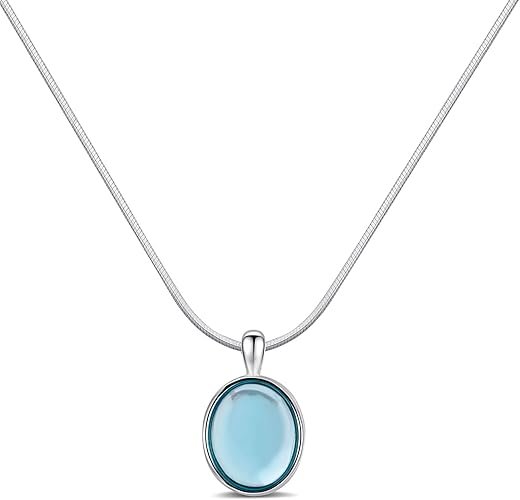
I gave my sister a 925 Sterling Silver Oval Aquamarine Pendant Necklace for her birthday last year and she cried (in a good way). The article’s tips about presentation and aftercare would have saved me from wrapping it in newspaper 😂
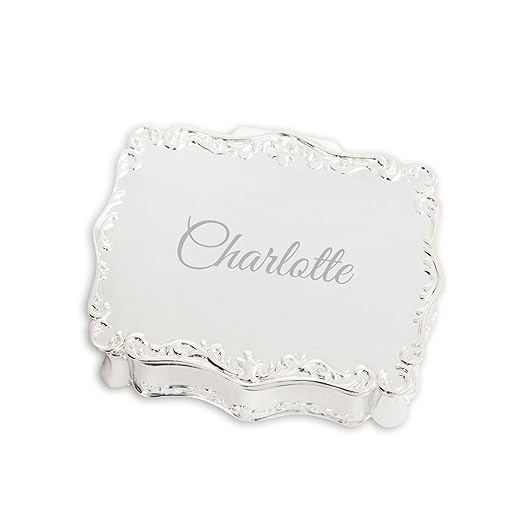
A couple of things I appreciated: the bit about the storytelling behind artisan pieces and the keepsake box idea. The Cherished Moments Personalized Rectangle Jewelry Keepsake Box is exactly the kind of finishing touch that turns a nice gift into something unforgettable.
Also: small practical tip — include a handwritten note about the maker or the materials. It makes the piece feel like it came with a backstory.
Thanks for the roundup — bookmarked it for holiday shopping!
Also wanted to add: for aquamarine, keep it away from harsh chemicals and store in a soft pouch to prevent scratches. The article’s aftercare section covers that but worth repeating!
Omg newspapers? lol I once put a pendant in a cereal box. Lesson learned. Your note idea is brilliant — makes the story stick.
Agree on the handwritten note — my grandma still talks about a necklace that had a tiny card explaining the maker’s inspiration.
So glad to hear that went well, Sarah — the handwritten note idea is exactly what we recommend. If you ever want help phrasing a short backstory note, I can draft a few templates you can personalize.
Nice list. Personally I’m eyeing the 2-Pack Chunky Gold Irregular Cuff Bangle Bracelets — big, bold, and zero subtlety, which is my vibe 😆
Also the Handmade Boho Sunflower Teardrop Statement Earrings look like they’d fight for attention at any party. Not really into commissioning stuff but the article makes a solid case for artisan value.
Haha, bold is good! If you go chunky, the article’s tips about matching style to personality could help you pick which recipient would appreciate that level of drama.
Jason — those cuffs are rad. If you wear them together don’t forget to match other metals or they can clash. Also, try them on with a jacket sleeve first to see how they sit.
This article sold me on buying artisan for Father’s Day. My dad is a minimalist but loves subtle texture, so the DEARMAY Six-Piece Dainty Sterling Silver Bracelet Set seems like a smart pick — can layer or wear solo.
Also low-key obsessed with the Harlorki Handmade Bohemian Turquoise Rope Collar Necklace for a summer look (me, not the dad haha).
Quick tip: personalize the box (Cherished Moments keepsake) with a tiny engraving if possible — makes it extra special.
Also remember to include care instructions for the recipient. A small card with ‘How to clean’ and ‘Do not wear while swimming’ goes a long way.
Haha Tom, I can picture you wearing the turquoise one. Do it.
Great pairing idea, Tom. The bracelet set is versatile for layering as you said. Many keepsake boxes have engraving options — double-check dimensions and font choices before ordering to avoid surprises.
The turquoise rope collar is fire. Wear it with plain tees to let it pop — trust me, instant upgrade.
If engraving isn’t available, a small photo or pressed flower inside the box can be just as meaningful.
Great overview but I wish there was more on ethical sourcing. The “How to Find and Commission Artisan Jewelry” section touched on it, but I’d love concrete questions to ask makers — like proof of recycled metals or fair pay practices.
Also, price vs value is tricky: TinyName Personalized 18K Gold Plated Name Necklace seems lovely and affordable, but what’s the tradeoff in plating longevity vs solid gold? Some real-world guidance would help buyers set expectations.
Anyone else nervous about commissioning online without seeing the material in person?
Excellent point, Priya. We should have included a checklist — I’ll add one in the next update. For now, ask makers: (1) source of metals, (2) recycling or conflict-free certificates, (3) typical working hours/payment for artisans. On plating: gold-plated pieces will wear over time; ask about plating thickness and base metal.
Totally agree. I always ask for a photo of the maker and workshop, and a close-up of stamp marks. Sellers who are transparent usually have nothing to hide.
Thanks for flagging this — we’ll expand the commissioning section with a sample message buyers can send to makers asking these exact questions.