Why high-fashion collaborations matter — luxury made accessible
Designer collaborations have exploded in popularity because they make luxury feel within reach. By pairing high-fashion creativity with mass production or smart cost choices, these collabs deliver on style and excitement without the full luxury price.
This guide explains what designer collabs are and why they offer real value. You’ll learn how to spot high-quality, affordable pieces, where to find them, and simple ways to style collab items so they look elevated.
Finally, we’ll cover long-term value: budgeting, resale, and sustainability tips to help you decide which pieces are keeps and which are impulse buys.
Expect practical, actionable advice, quick shopping lists, and styling examples so you can enjoy designer cachet without overstretching your budget or compromising everyday wear effortlessly.
What designer collaborations are and why they offer value
Collaboration formats: quick definitions
Designer collaborations come in a few recognizable formats:
Capsule collections with high-street retailers (think H&M x Karl Lagerfeld or Uniqlo x J.W. Anderson): limited runs that translate a signature aesthetic into lower price points.
Co-branded products with heritage houses (such as a logo-heavy bag co-signed by a designer and a maison): combines provenance and recognizable styling.
Creative partnerships with artists or influencers (limited prints, signature colorways): injects cultural relevance and storytelling.
Drop culture and limited editions (hype-driven releases with small quantities): scarcity becomes part of the appeal.
Each format changes what you’re buying: a look, a logo, a collectible, or a practical piece.
The economics behind why prices fall
Collaborations make luxury more accessible through economics rather than magic. Key mechanisms:
Shared design costs: the partner assumes creative fees or provides in-kind design input, lowering per-brand R&D.
Scaled production: using a high-street partner’s factories increases volume and reduces unit cost.
Licensing and brand leverage: legacy houses license motifs to more efficient manufacturers, capturing value while passing savings to consumers.
Marketing lift: both parties split promotional spend, so overhead per item drops.
Real-world result: a designer silhouette appears at a fraction of the original price because design and marketing are amortized across many more units.
All-Day Comfort
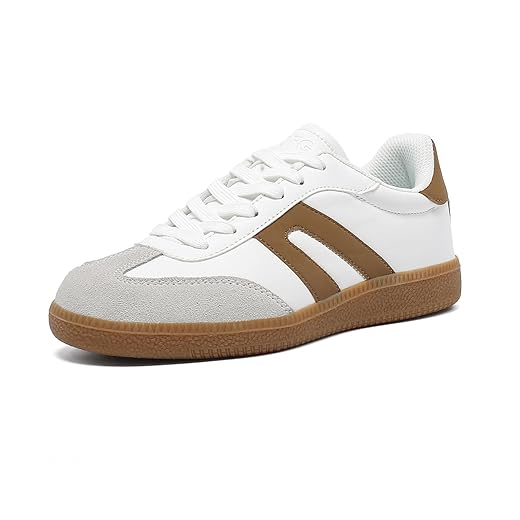
Women's Lace-Detail Retro Gum Sole Sneakers
Breathable, shock-absorbing, multi-surface grip
Delicate lace embellishments combine with a breathable perforated upper and dual-density midsole to reduce foot fatigue during long days. The gum sole offers flexible, multi-surface traction for walking, casual wear, and light trails.
Does the collab deliver a recognizably unique design you’ll wear often?
Are materials labeled (e.g., full-grain leather vs bonded)? Can you accept compromises?
Is the edition size or resale history likely to preserve value?
Is this a trend impulse or a long-term addition to your wardrobe?
Use this checklist in-store or online to separate genuine value buys from hype-driven splurges.
2
How to spot high-quality, affordable collab pieces
Material and construction: the tactile truth
The fastest way to separate a smart collab buy from a cheap knockoff is touch and inspection. Look for:
Fabric weight and hand: heavier cottons, tightly woven denim, and supple full‑grain leather feel denser and age better than thin synthetics.
Stitching: even, closely spaced stitches (no skipped stitches) and clean interior finishes indicate better construction.
Hardware: zippers that run smoothly, engraved or branded pulls, solid metal snaps and buckles — not lightweight, noisy alloys.
A real-world test: hold a sweatshirt up to the light. If the weave is sheer and you can see the opposite sleeve through it, it’s probably been light‑sized to cut costs.
Design authenticity: does it read like the designer?
Ask whether the piece speaks with the designer’s voice or merely wears a logo. Thoughtful collaborations translate signature motifs into new silhouettes or detailing — think Paul Smith stripes on a Uniqlo shirt, not just a stickered tee. If the piece could have come from any brand and someone simply slapped a logo on it, that’s a red flag.
Cozy Pick
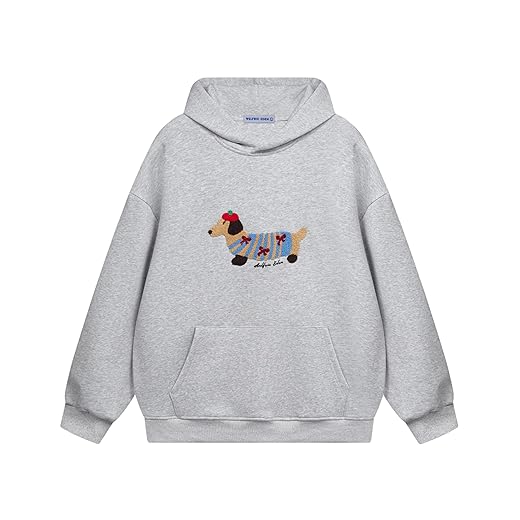
Aelfric Eden Oversized Cartoon Dog Hoodie
Cute embroidered design, soft cotton blend
Lightweight cotton-polyester hoodie with an oversized fit and cute embroidered dog graphic, ideal for casual, street, or school wear. Machine washable and easy to care for, it’s a comfortable everyday layer.
Try it on: shoulder points should sit correctly; hems shouldn’t ride up.
Questions to ask online sellers
What’s the exact material composition and country of manufacture?
Can you provide close-up photos of seams, hardware stamps, and care tags?
Is there an edition number or collaboration-specific hangtag, and what’s the return policy?
Red flags that suggest poor durability or copycat collabs
Missing care tags, spelling errors on labels, wildly inconsistent sizing, or a “too good to be true” price. If production looks anonymous (no factory info or vague descriptions), assume compromises were made.
Next, we’ll use these spotting skills to find the best places—both online and offline—where authentic, affordable collab pieces actually surface.
3
Where to find affordable designer collaboration pieces
Mainstream retailers and department stores
Big-name retailers regularly host designer capsules that land at friendly price points: think Uniqlo x JW Anderson, H&M x Moschino, or Target designer drops. Pros: predictable release schedules, clear return policies, and easy in-store try-ons. Cons: high demand means quick sellouts and fewer size options; pieces can be mass‑produced (watch quality).
Cons: limited-run stock, variable quality, fast sellouts
Outlet, clearance, and sample channels
Outlets (brand-run stores or sites like The Outnet, Saks OFF 5TH, Nordstrom Rack) and end-of-season clearances can yield past-collab pieces at steep discounts. Pros: great prices on authentic items; consignment sample sales sometimes include one-offs. Cons: sizes are often fragmented and authenticity checks are less visible.
The RealReal, Vestiaire Collective, StockX, Grailed, Depop, and Poshmark are gold mines for discontinued collabs. Authentication services on The RealReal and Vestiaire reduce risk; peer-to-peer sites require sharper vetting. Look for seller history, close-up photos, and authenticated badges.
Designer Pick
Michael Kors Ari Leather Suede Trainer
Sport-chic with eco-certified leather
A sport-chic trainer crafted from leather, suede, and canvas with a rubber sole for comfortable all-day wear. The leather is sourced from tanneries with Leather Working Group Gold/Silver certification for improved environmental performance.
Pros: access to sold-out items, price flexibility, possible rare finds
Cons: authenticity risk on peer-to-peer sites, variable return policies
Flash-sale, sample-sale, and membership sites
Sites like Gilt, Rue La La, and seasonal sample-sale platforms distribute marked-down designer stock, sometimes including collab items. These require quick action and membership sign-up. Pros: steep discounts; cons: unpredictable timing and limited return windows.
Pros: heavy discounts, curated drops
Cons: short windows, limited selection, strict returns
Direct-brand online drops and boutique raffles
When brands drop limited collabs, buy directly from the source or local boutiques that run raffles/queues. Pros: guaranteed authenticity and first access; cons: often sold at full launch price and gone fast.
Pros: guaranteed authenticity, first access
Cons: high demand, possible geographic restrictions
Timing strategies and tools that win deals
Actionable habits to increase hits:
Subscribe to brand and retailer newsletters and follow their Instagram Stories for drop notices and restocks.
Use tools: ShopStyle/Lyst alerts, Google Alerts for specific collabs, Honey or Keepa for price tracking, and Vestiaire/RealReal filters for “authenticated.”
Join waitlists and raffles early; set calendar reminders for seasonal sales (end-of-season, Black Friday, post-holiday).
Use multiple channels: if a direct drop sells out, check outlets, resale, and flash‑sale sites within 24–48 hours.
These channels and habits together make scoring authentic, affordable collaboration pieces much more realistic — if you’re ready to act fast and vet carefully.
4
How to style collaboration pieces so they look elevated
Think of a collab piece as a highlight — not the whole show. The goal is to read like a considered wardrobe choice, not a costume. Small changes in pairing, proportion, and care make a logo or graphic sing in an adult, polished way.
Core styling principles
Pair the statement item with quality basics: a structured blazer, crisp shirt, tailored trousers, or a simple cashmere sweater lets the collab read as intentional.
Emphasize fit and proportion: if the collab item is oversized, balance it with slim bottoms; if it’s slim or cropped, add a longer layer or high-waisted trousers to avoid looking mismatched.
Mix textures to add depth: matte denim with glossy leather, silk with wool, or knitwear with technical fabrics prevents a flat, one-note outfit.
Limit overt branding: if a jacket or bag is loudly branded, keep the rest minimal — neutral colors, no competing logos, refined accessories.
Outfit formulas — practical examples
Work
Outerwear: a muted designer-collab trench over a monochrome silk blouse and tapered trousers; low-profile loafers or boots finish the look.
Ready-to-wear: a graphic-collab blouse tucked into a pencil skirt with a blazer to ground the piece.
Casual
Footwear: statement collab sneakers with a plain tee, relaxed jeans, and a structured coat — the shoe is the focal point without dominating.
Outerwear example: weekend bomber layered over a fitted hoodie and straight-leg denim for an intentional street-meets-tailored vibe.
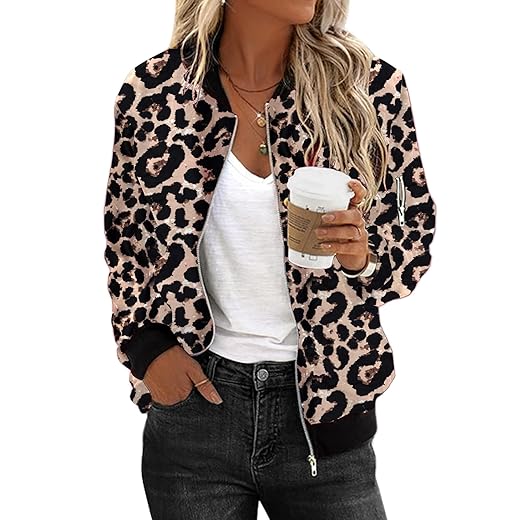
Everyday Essential
Zeagoo Lightweight Women's Casual Bomber Jacket
Lightweight spring-autumn jacket with handy pockets
A versatile, lightweight bomber jacket with zip-up front and pockets, perfect for spring and autumn casual looks. Pairs easily with tees and jeans; consult the size chart for the best fit.
Accessories: a bold collab clutch or metallic belt paired with a sleek slip dress and minimalist heels reads elevated; skip additional flashy jewelry.
Ready-to-wear: a sculptural collab top with high-waist satin trousers and a cropped jacket keeps proportions elegant.
Specific products make an impact: think of pairing an adidas x designer trainer with a sharp wool blazer and dark jeans, or tempering a logo-heavy bag with a neutral camel coat.
Care and maintenance that preserves perceived value
Cleaning: follow labels; spot-clean immediately, use professional leather or dry-clean services for delicate pieces.
Hardware care: wipe metal hardware with a soft cloth, remove tarnish gently; avoid perfumes and lotions that degrade finishes.
Storage: store leather and embellished items in dust bags, keep shoes on shoe trees, and avoid humid, sunlit spaces to prevent fading and mold.
Documentation: keep tags, receipts, and authentication cards — they maintain resale value.
Small styling choices plus good upkeep make collab pieces feel curated rather than trendy — a bridge to thinking about long-term value, resale, and sustainable shopping strategies.
5
Getting the most long-term value: budget, resale, and sustainability
Treat the buy like an investment (in style and time)
Before you hit purchase, decide whether this collab is a trend-play or a potential classic. Trend pieces are fun but short-lived; investment choices combine quality materials, timeless silhouettes, and a story (limited drop or iconic partnership) that can appreciate or at least hold value. Quick example: certain limited-edition sneaker collabs can command significant premiums on resale—sometimes doubling in price—while loud seasonal tees typically do not.
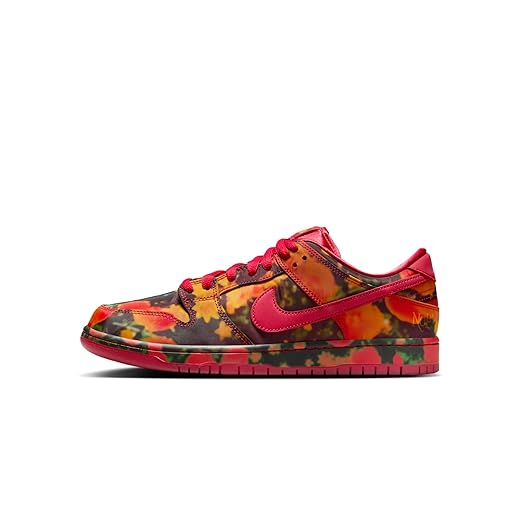
Iconic Sneaker
Nike Dunk Low Retro University Hoops
Heritage basketball style with modern comfort
A classic Dunk Low silhouette originally for basketball, updated with modern comfort technology and crisp material overlays for a clean, heritage-inspired look. The contrasting colorblocking keeps it bold and street-ready.
Care: gentle cleaning, professional leather/patch repair when needed, replaceable soles for frequent-wear shoes.
Authentication: use reputable services or platform-auth checks (StockX for sneakers; TheRealReal, Vestiaire Collective, and authenticated eBay listings for luxury).
Prioritize pieces made from durable materials (full-grain leather, tightly woven wool, sturdy canvas) and those that can be repaired. Many houses offer repair programs—check brand policies at purchase. When a piece leaves your closet, use resale platforms or local consignment shops to extend its lifecycle instead of landfill.
A simple budgeting framework + decision checklist
Framework: allocate discretionary clothing spend into thirds:
50% staples/quality basics
30% investment collab (1–2 pieces/year)
20% trend experimentation
Decision checklist (yes/no):
Is it a silhouette I’ll wear for years?
Is the material durable and repairable?
Is it limited or likely to retain demand?
Can I store and document it properly?
Does the price fit my allocated splurge portion?
If most answers are “yes,” treat it as an investment; if not, opt for the lower-cost experiment. With those trade-offs mapped, you’ll be ready to shop smarter and sustainably as you move into the article’s concluding smart-shopping tips.
Smart shopping for designer collabs without overspending
Know the collaboration type, inspect construction and materials, shop trusted channels, and style pieces so they read elevated. Prioritize durability, fit, and resale potential over impulse trends; use the article’s checklists to vet value before you buy.
Treat collabs as high-impact accents in a curated wardrobe: buy intentionally, rotate thoughtfully, and resell or donate when they no longer serve you. Now: pick one upcoming collab or a real wardrobe gap, run it through the framework here, and decide—purchase now or wait for a better fit. Small intentional buys compound into signature style, smarter spending, and a more sustainable, curated closet.
Not all collabs feel worth it imo. The article did a solid job breaking down what to look for, but I still worry about fake “designer” labels on cheap Amazon finds.
For example, how can I tell if a pair like the Women’s Lace-Detail Retro Gum Sole Sneakers is actually high quality and not just hype? Material breakdowns? Stitching close-ups? Workshops/brand credibility?
Would love a short checklist to carry while shopping.
Great question, Marcus. Quick checklist: 1) Inspect materials — real leather or tight-knit canvas beats flimsy synthetics. 2) Check seams and glue lines — messy edges are a red flag. 3) Look for brand collaboration notes and official product pages. 4) Read multiple buyer reviews (photos help). 5) Consider return policy if buying online.
This piece is great for people who want designer vibes but not designer prices. I bought the Michael Kors Ari Leather Suede Trainer on sale last season and paired it with thrifted blazers for an elevated casual look.
The “Getting the most long-term value” section really convinced me to think resale + sustainability. If you care for suede properly, it can outlive cheaper sneakers by years.
Small rant: why do some collabs still inflate prices so much? 😅
Sometimes collabs are about branding more than materials. That’s why the article’s tips on spotting quality are so useful — don’t pay for a logo alone.
Love this roundup — finally something that explains how to make collabs feel luxe without breaking the bank.
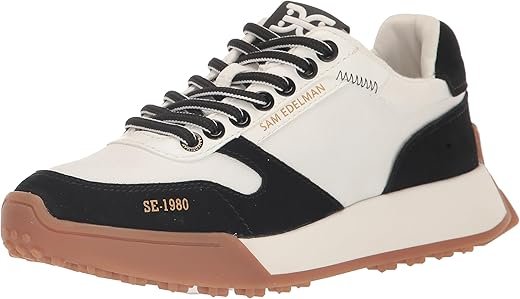
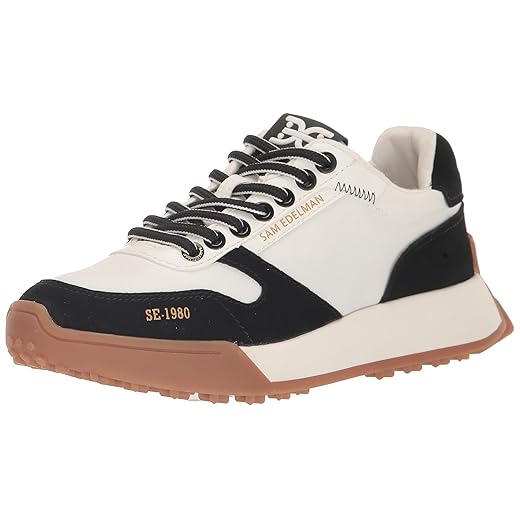
I picked up the Sam Edelman Layla Retro Two-Tone Sneakers last month and they honestly elevated every casual outfit. The article’s section on “How to spot high-quality, affordable collab pieces” was on point.
Also curious if the Nike Dunk Low Retro University Hoops are worth the hype for resale value? Anyone sold a pair after a season?
Appreciate the tips on budgeting and sustainability too — buying less but smarter is the move.
I sold a pair of Dunks last year — made back ~80% of what I paid. But it was a popular colorway. If you’re buying to wear, don’t stress resale too much.
Glad it helped, Liam! The Dunks can hold value depending on the colorway and release. For everyday collab pieces like the Layla sneakers, focus on materials and construction — gum soles and leather-synthetic blends often last longer.
Hahaha the part about “luxury made accessible” had me 😂
Tried the Aelfric Eden Oversized Cartoon Dog Hoodie for weekend runs — it’s comfy but kinda bulky. Great for layering tho. The styling tips in the article helped me not look like I left a kid’s party.
Where do you all actually find the best deals? The article lists places but I’m curious about real tips: specific marketplaces, timing, or alerts.
I kinda want a Zeagoo Lightweight Women’s Casual Bomber Jacket and the Women’s Lace-Detail Retro Gum Sole Sneakers but I won’t pay full price. Any pro tactics?
Also — are Amazon collab listings reliable or should I stick to brand retailers?
Pro tip: set Google alerts for specific SKUs or model names (like Michael Kors Ari) and join Facebook groups for local swaps. Sometimes people sell barely-worn collab pieces cheap.
Great question. Tactics: 1) Use price-tracking tools and wishlist alerts for Amazon and other retailers. 2) Shop off-season (buy jackets in spring/summer). 3) Follow brand and retailer newsletters for exclusive codes. 4) Check outlet sections and authorized resellers for authentic markdowns.
I scored Nike Dunks during a surprise restock on the brand site and used a student discount on top. Patience + multiple accounts (family/friends) helped 😂
Honestly, collabs sometimes feel like designer companies found a way to make us feel exclusive while selling mass-produced stuff. The Nike Dunk Low Retro University Hoops are cute but will probably be on everyone’s feet next year.
Still, the article’s smart shopping tips are useful — set a hard budget and don’t chase every drop. Also, resale sites can be shady so be careful.




Leave a Reply