
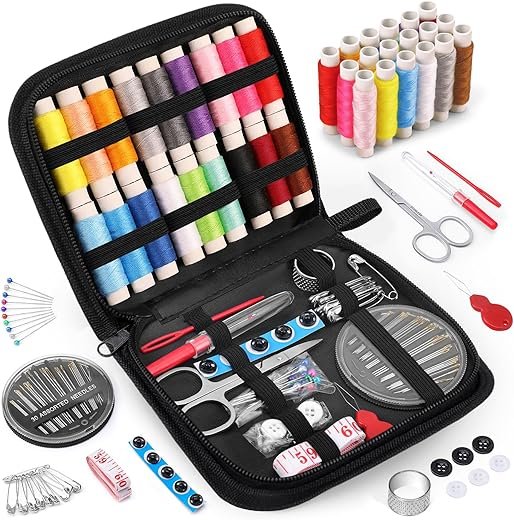
Give Your Wardrobe a Second Life
Ready to LOVE your closet again? This guide helps you turn tired tees and forgotten jeans into stylish pieces with simple tools, playful ideas, and easy steps, no sewing pro required. Start small, feel proud, and enjoy creative results today.
What You'll Need
Sort and Salvage: Choose the Best Candidates
Not all old clothes are trash—discover which pieces have hidden potential!Empty your wardrobe and sort garments into keep, mend, repurpose, and discard piles. Be decisive—this clears space and creative clutter.
Look for sturdy fabrics (denim, canvas, wool), intact seams, and pieces with standout prints or trims. Think about a floral maxi that can become a skirt, a sequined top you can resurface, or a leather skirt that can be resized.
Try items on, pin possible changes, and imagine combining two pieces (shirt + dress) to create something new.
This step saves time and sparks ideas—you’ll know which items are worth transforming before you cut.
Inspire and Plan: Sketch Simple Designs
Why guess when a quick sketch can turn a shrug into a statement piece?Measure each garment—bust, waist, hip, length—and note fabric stretch. Sketch 2–3 ideas per piece: crop a tee, turn a dress into a wrap skirt, or add embroidered panels to a denim jacket. Use quick thumbnail sketches rather than perfect drawings.
Create a simple mood board with reference photos to refine color, texture, and silhouette.
A clear plan reduces mistakes and helps you estimate time, materials, and effort for each upcycle.
Prep and Repair: Clean, Mend, and Stabilize
A little fixing goes a long way—mend first, glam up later.Inspect garments after a gentle wash to reveal pilling, stretched areas, and weak seams. Turn pieces inside out and mark trouble spots with a fabric pen.
Repair small holes and weak seams using basic stitches: use backstitch for strength, running stitch for quick fixes, and whipstitch for raw edges. Reinforce high-wear areas with small fabric patches. Example: patch a moth hole on a sweater cuff with a matching knit scrap.
Stabilize waistbands and necklines with narrow clear elastic or lightweight interfacing; stitch with a zigzag or stretch stitch. Press seams and hems with steam for crisp lines.
Wash and dry fabrics following care labels to reveal true condition. Repair small holes and weak seams using basic stitches or reinforcing patches. Remove stubborn stains with targeted treatments or embrace them as design features. Stabilize stretchy areas (like waistbands) and press fabrics for crisp lines. Proper prep ensures durability and a polished final look.

Cut and Reconfigure: Alter Shapes with Confidence
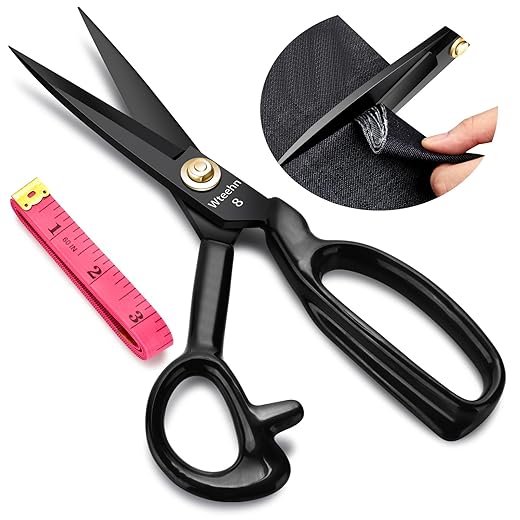
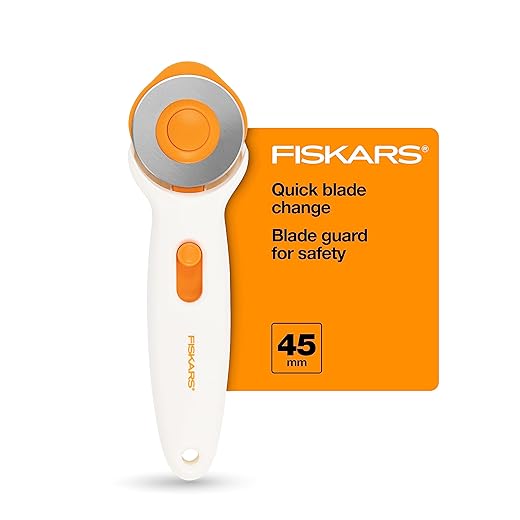
Scissors can be as powerful as a stylist—cut smart, not savage.Lay garments flat and transfer any pattern markings from your sketches.
Start with small cuts—crop hems, remove sleeves, or open side seams—to test how fabric behaves.
Pin garments on a mannequin or on yourself and adjust fit before sewing; use safety pins or tailor’s tacks to lock positions.
Combine fabric panels from different pieces for patchwork or colorblocking; stitch a quick sample seam to check stretch and weight.
Keep leftover scraps for future trims or appliqué.
Sew, Glue, and Embellish: Add Personality
Buttons, paint, and patches—tiny details create big style wins.Use basic stitches or a sewing machine to assemble altered pieces, reinforce seams, and add hems.
Reinforce high-stress points with backstitching or topstitching; finish raw edges with zigzag or bias tape.
Apply fabric glue for quick fixes or to attach trims when sewing isn’t practical; press and cure per product instructions.
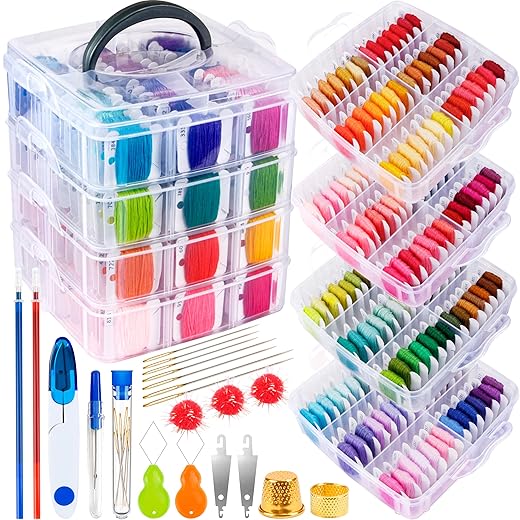
Embellish focal areas—embroider a pocket, add an iron-on patch to a denim jacket, set studs on a collar, or paint a bold motif on a tee—to turn basics into statements.
Balance embellishment—focus on collars, cuffs, or pockets for a high-impact look.

Fit, Finish, and Style: Final Touches That Sell the Look
Try it on, tweak it, and snap a selfie—small tweaks make outfits pop.Try on each transformed item and adjust fit: take in seams, shorten hems, or add elastic where needed.
Press garments, trim loose threads, and reinforce weak stitches; for example, take in a blouse side seam ½–1 inch to remove gaping.
Create styling options—pair a cropped top with high-waist jeans, layer a turtleneck under a slip dress, or belt an oversized shirt—and photograph outfits for reference.
Enjoy wearing or gifting your new, upcycled pieces.
Ready to Wear Your Creativity
With simple planning and these six steps, old clothes become fresh, wearable trends. Start small, experiment often, learn from mistakes, and enjoy evolving your style. Try a project today, then share photos and inspire others.


Leave a Reply