

Make Accessories Your Secret Style Weapon
I know choosing accessories can feel overwhelming, but ACCESSORIES are powerful. This guide shows simple, practical steps to transform watches, ties, pocket squares, belts, and jewelry into polished statements so your look reads confident, intentional, and instantly impactful every day.
What You'll Need

Step 1: Start with a Strong Foundation
Why the right base outfit makes tiny accessories scream 'intentional' — yes, even your socks.Build a neutral, well-fitted wardrobe base: a tailored blazer or jacket, a crisp shirt or tee, and trousers that skim rather than swallow your frame. Fit is non-negotiable — accessories amplify what’s already there.
Set up three core colors and add texture, not pattern. Use wool, cotton, and leather as subtle canvases so accessories read as intentional accents.
Match shoes and belt in tone and formality. For example, wear clean white sneakers and a simple leather-strap watch for casual days; wear polished oxfords and a slim dress watch for business.
Grooming and posture are part of the foundation — neat hair, trimmed nails, and a correct hemline signal care. Tailoring tweaks like sleeve length and trouser break cost little but elevate accessories dramatically when proportions are right.

Step 2: Let One Piece Lead
Why choosing a focal accessory beats matching everything — make one thing memorable.Choose a single focal accessory to carry the visual weight of your outfit.
Decide the focal point before dressing and coordinate other pieces to echo its tone or texture.
Match a warm leather-strap watch with a leather belt or shoes in the same family rather than introducing a second bright color.
Keep scale in mind: avoid pairing chunky bracelets with delicate watch faces, and skip oversized lapel pins when your tie is patterned.
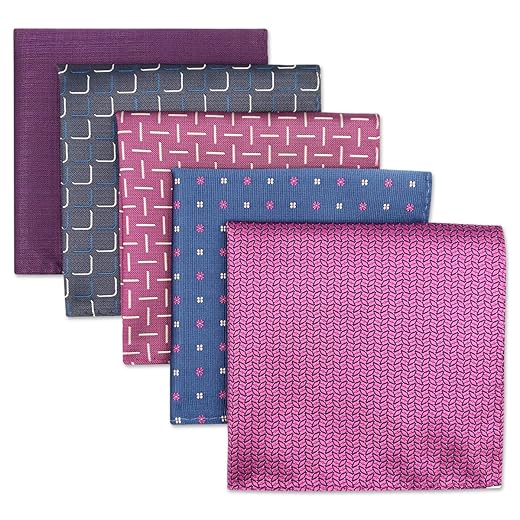
Use contrast sparingly — a vivid pocket square enlivens a navy suit; a matte metal bracelet adds understated edge to a monochrome look.
Practice restraint: commit to the leader and let supporting accessories whisper.
Step 3: Master Color and Contrast
Could one correct shade make you look sharper instantly? Spoiler: yes — and it's easier than you think.Start with your outfit’s dominant color and pick one accessory color to either complement (adjacent hues) or contrast (opposite on the color wheel) for clear impact.
Choose tonal dressing when you want refinement: wear varying shades of the same color (charcoal suit, mid-gray knit, light-gray scarf).
Use a single contrasting pop when you want focus: a navy suit with an orange pocket square or a gray tee with a cobalt cap.
Anchor looks with neutrals and add metallics sparingly to signal formality or edge.
Favor seasonal palettes: warm leathers and deep greens in fall; crisp whites, light blues, and tan in spring/summer.
Test in natural light and photograph outfits—what looks cohesive in a mirror can read muddled on camera. Use a swatch app to confirm confident color choices.

Step 4: Master Placement and Balance
Where you put things matters—small shifts can flip casual to polished instantly.Wear your watch snugly on the wrist so it doesn’t slide; adjust the strap until it sits comfortably above the wrist bone.
Stack bracelets deliberately—place them opposite the watch for contrast or next to it for a layered effect, but remove pieces if the stack looks crowded.
Let pocket squares peek, not dominate; try the puff for relaxed jackets, the flat for slim lapels, or the three-point for wider lapels.
Ensure your tie length hits the belt buckle; shorten or re-tie if it’s off.
Place the tie bar between the third and fourth shirt buttons and choose one slightly narrower than the tie.
Match belt buckles to shoe formality and center the buckle over the fly.
Keep rings minimal—limit to one signet or band per hand.
Scale lapel pins, collar clips, and boutonnières to lapel size.
Layer necklaces and bracelets by varying thickness and length to create clear visual steps.
Step back and view your outfit at arm’s length; if items crowd each other, remove the least important piece.
Remember: balance is a conversation between items, not mathematical equality.

Step 5: Finish with Confidence and Maintenance
Small rituals — polishing, sizing, and storage — turn accessories from props into personal signatures.Clean and polish metals regularly to remove sweat and grime; wipe daily and use a gentle metal polish once a month.
Condition leather and rotate straps to prevent cracking—apply a leather conditioner every 3–6 months and swap watch or bag straps regularly.
Keep watch batteries, clasps, and springs in good repair—don’t wait until a watch stops to service it.
Store items properly:
Rotate accessories so they age evenly and you always have a fresh-looking option.
Know basic quick fixes:
Record ring and bracelet measurements to speed purchases and alterations.
Schedule professional cleaning annually and reputable servicing every few years for valuable pieces.
Rehearse combinations at home until dressing feels automatic; wear accessories without hesitation and let your posture and smile finish the look.
Keep a tiny repair kit.

Wear It Like You Mean It
Accessories are the punctuation of style: build from a solid base, pick a leading piece, control color and placement, and maintain items. Try these steps, make them habit, then share your looks on social media today and tag us now.
33 responses to “How to Style Men’s Accessories for Instant Impact”
Really enjoyed the guide — simple but practical. I always overdo it with too many accessories and this “let one piece lead” tip is already saving me from looking like a Christmas tree 😂
Tried the watch-as-anchor idea last weekend: paired a chunky leather watch with a muted pocket square and bam, outfit felt cohesive. Also, the maintenance section is gold — never thought about polishing my cufflinks more than once a year. Small changes, big impact.
Nice! What kind of pocket square color did you use? I’m always scared to mix patterns with watches.
Love that experiment, Ethan — the watch-as-anchor is such an easy win. If you have a photo of your combo (no pressure!), we’d be happy to feature it in an upcoming reader example post.
+1 on maintenance. I used to neglect my leathers and they looked ancient fast. A quick conditioner every 6 months makes a world of difference.
Huge fan of the ‘start with a strong foundation’ advice. If your base outfit is solid, accessories actually feel purposeful and not like ornaments.
One thing I’d add: pay attention to proportion. A tiny lapel pin with an oversized scarf looks off. Play with scale. Also, tiny typo spotted in Step 2 heading (just fyi) — otherwise great job! 😊
Proportion is everything. I once paired a giant beanie with a slim watch and it looked absurd. Lesson learned.
Thanks for the catch, Olivia — we’ll fix that typo in Step 2. And yes, proportion is key, great addition.
Glad it wasn’t just me 😂 Proportions saved my wedding guest outfit last month. The right-sized tie + subtle cufflinks = classy.
Quick tip: for simplicity, match metals (belt buckle, watch case, shoe eyelets). Keeps things clean.
Also, not everything has to be new. Patina on leather can be stylish. Don’t over-polish.
Agree on patina. Just be careful with mixing gold and silver if you have mixed metal jewelry — can work, but requires intentionality.
Also, some modern looks intentionally mix metals for contrast. Rules are flexible — context matters.
Yes! Patina tells a story. I prefer a slightly aged leather over factory-perfect any day.
Solid rules of thumb, Marcus. Matching metals really ties an outfit together without being obvious.
That metal-matching tip saved me from clashing rings with my new watch. Ty!
Good guide, but would have liked more photos showing ‘placement and balance’ for casual outfits.
Example: how high should a lapel pin sit on a denim jacket? The rules for suits are intuitive but for streetwear I get confused. Also, maintenance for fabric accessories (beanies/scarves) needs more detail—washing tips, drying, avoiding pills, etc.
Thanks for the care tips, everyone. We’ll include a quick care chart: fiber type → wash temp → dry method → storage.
If you’re lazy like me, toss beanies in a lingerie bag and machine wash cold. Then reshape while damp and air dry — works 80% of the time 😂
Agree on the beanie/scarf care — wool vs acrylic needs different approaches. For wool, gentle hand wash + flat dry; acrylic can usually handle a machine on low. Prevents that awful shrink/pill thing.
Great point, Liam. We’ll add a photo guide for placement on different garment types in the next update. For denim jackets, a lapel pin typically looks best near the upper-left chest seam, about 2–3 inches below the shoulder seam.
Constructive criticism: the ‘one piece lead’ idea is great but the guide skimps on examples for different personal styles (minimalist vs loud). A few suggested combos per style silhouette would help beginners.
Thanks, Daniel — that’s useful feedback. We can add style archetype blocks (minimalist, classic, street, avant-garde) with 3 example combos each.
Yes please! I’m a minimalist and I always feel unsure which accessories don’t look like ‘too much’.
This line made me smile: ‘Wear it like you mean it.’ Truth. Walk like you paid for the outfit, even if it was thrifted. 😏
Also, love the bit about letting one piece lead — had a neon watch once and suddenly my whole wardrobe felt youthful again. Dangerously addictive.
Exactly — confidence sells the look. Your energy can make thrift finds look premium.
Haha love the thrift energy. I once wore a bright scarf and got complimented all day. Confidence + pop color = instant MVP.
Short and sweet: the color/contrast section is the one I need to re-read. I keep matching everything too perfectly and my outfits lack character. The suggestion to add one contrasting piece is a great micro-habit.
Glad that resonated, Sophie. Try starting with a subtle contrast — like a burgundy sock or a green knit tie — and build from there.
Totally — I used to go all-muted. A single pop (even just a brighter shoelace on sneakers) changed how bold I felt in photos.
This guide felt like the pep talk I needed. Loved the maintenance tips (I used to ruin scarves in the dryer 😩). Also the ‘wear it like you mean it’ ending is motivational — fashion is as much attitude as it is items.
A few fav takeaways:
– Let one piece lead
– Match metals subtly
– Keep base outfits simple
Already planning to try a bold tie with neutral blazer next week. Wish me luck!
Pro tip: if you’re nervous, start with a patterned tie that has a small amount of the blazer color in it. Subtle and safe.
Good luck, Grace! Share how it goes — excited to hear about the bold tie experiment.
Picture please! Bold tie + neutral blazer is my go-to for instant polish.
You’ll rock it. Maybe pick a tie that echoes a small element of the base (like a stripe or texture) so it feels intentional.