
Recut & Revive: The Case for Upcycling into Modern Cuts
Fast fashion produces over 92 million tons of textile waste yearly, yet one well-chosen garment can become a wardrobe staple. Upcycling takes discarded pieces and transforms them into contemporary, intentional cuts that feel tailored rather than patched. It’s sustainable, creative, and often more affordable than buying new designer items.
This guide shows how to choose strong source garments, apply modern design principles, and use practical cutting and pattern-alteration techniques. You’ll learn construction tips, finishing details like hems and hardware, and step-by-step project ideas plus care advice. Read on to turn old clothes into polished, wearable statements. Whether beginner or experienced maker, you’ll leave inspired and ready to refashion today, confidently.


Why Upcycling Matters: Sustainability, Style, and Story
Environmental and practical benefits
Upcycling reduces burden on landfills and stretches the embodied energy already invested in a garment — dyeing, weaving, and finishing. Beyond ethics, it’s economical: turning a thrifted Levi’s 501 or an old Patagonia fleece into a new favorite saves money and resources compared with buying new. Quick, practical step: always launder and inspect a candidate piece before committing—wash, steam, and test seams for weakness.
The value of narrative and rarity
A refashioned piece carries a story: a vintage band tee made into a cropped bomber, a grandmother’s tablecloth refashioned into a statement skirt. That provenance creates emotional value and makes each outcome effectively “limited edition.” For designers, small runs of upcycled pieces are a unique selling point—customers buy the backstory as much as the silhouette.
Style advantages and fit-first thinking
Upcycling invites bespoke adjustments: raise a waistband for a modern high-rise, taper oversized sleeves, or add a structured shoulder to a slouchy coat. Compared side-by-side with fast-fashion equivalents, upcycled garments can offer superior fabric weight (denim, wool) and more interesting details (original pockets, trims). Tip: prioritize fit alterations early—mock up with pins and chalk before cutting.
Common hesitations — and how to solve them
These practical reframes make upcycling accessible, artisanal, and design-forward. Next, we’ll move into how to choose and evaluate the ideal source garments so your vision starts with the right raw material.
Selecting and Evaluating Source Garments
Where to source high-potential garments
Thrift stores, vintage shops, estate sales, wardrobe-edit swaps, and donation bins are treasure troves — aim for solid-fabric pieces (wool coats, denim, upholstery-weight cottons, deadstock shirts). Retail returns and factory seconds are also useful for consistent fabric. Anecdote: a local flea market yielded a 1970s suiting jacket with pristine shoulder pads that became the backbone of a modern cropped blazer.
Fast assessment: quick tests before you buy
Signs of wear, prints, and pattern placement
Look for salvageable areas: intact pockets, cuffs, collars, and panels with centered prints. Prints with a clear motif (band tee, tablecloth repeats) give ready-made focal points. Avoid severe sun-fading across a panel unless you plan patchwork. For plaids and stripes, check matching potential — mismatched seams can look intentional if handled smartly.
Checklist for suitability
Imagining the new silhouette: cut vs. keep
Use the garment’s structure as a guide: keep tailored shoulders, princess seams, or linings when they support your vision; cut away boxy or dated hems and sleeves. If a coat has excellent armholes and shoulder shaping, rework the torso around those seams; if the form is shapeless, harvesting panels for patchwork or creating new darts makes more sense. Deciding whether to cut often comes down to whether existing seams add structural value or constrain your new silhouette — test-fit with pins before committing.
Next, we’ll translate these finds into contemporary design language and pattern moves.
Design Principles for Contemporary Cuts
Contemporary silhouettes: choose your modern language
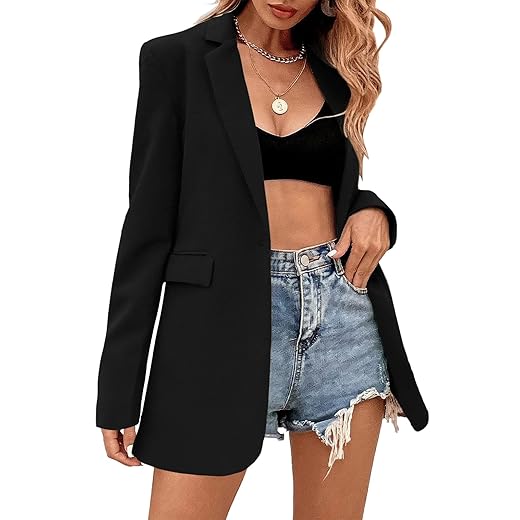
Contemporary upcycles live between boxy and fitted. Boxy pieces read modern when balanced with clean hems; fitted pieces feel fresh when paired with unexpected details (cropped lengths, elongated jackets, asymmetry). Think: a boxy cropped denim jacket, a slim high-waist skirt, or an elongated blazer layered over narrow trousers. Retail references: weekday minimalists like COS favor boxy-but-clean shapes; Everlane shows how slim lines read timeless.
Proportion, balance, and negative space
Modernity often comes from restraint. Use negative space—simplified fronts, unadorned panels—to let structure breathe. Quick rules:
Clean lines and simplifying details
Remove excess to modernize: eliminate gathers, heavy ruffles, and fussy peplums. Simplify collars to a shorter lapel, band collar, or clean round neckline. When slimming sleeves, take gradual tucks and test mobility; a guided example: remove 1″–2″ total from sleeve seams, baste, and test before cutting.
Integrating trend elements without dating pieces
Pick one statement trend per garment: oversized shoulders OR sports-luxe panels OR high-waist placement. Combine with timeless tailoring—structured seams, neat hems—to avoid fast-fashion expiry. Sports-luxe tip: add a contrast ribbed hem or hidden elastic inside a clean cuff for comfort and edge.
Sketching and mock-up tips
Always prototype:
These design habits reduce waste and give confidence when you finally reach for the shears.
Practical Cutting, Construction, and Pattern Alteration Techniques
Deconstruction: learn by taking apart
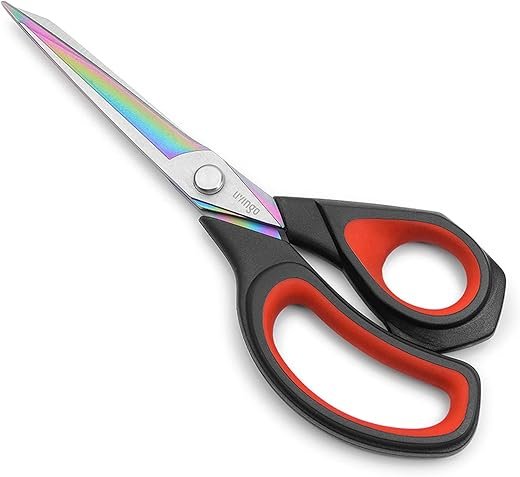
Start by carefully unpicking seams—label pieces with chalk and pins so you can reverse-engineer shapes. Salvage linings, interfacing, buttons, and trims; these often give structure or become new accents. Use sharp shears (Gingher 8″ are a craft standard) and a quality seam ripper (Dritz Deluxe) to avoid fabric damage.
This hands-on unpicking trains you to read garments the way patternmakers do: where darts, ease, and grain live.
Flat-pattern manipulation & slash-and-spread
Trace original panels onto tracing paper. To add volume: slash the paper pattern vertically or horizontally, spread segments evenly, and fill gaps with paper to redraw smooth lines. For cropped lengths, rotate hem allowances up into new seam lines.
Quick steps:
Draping on the form
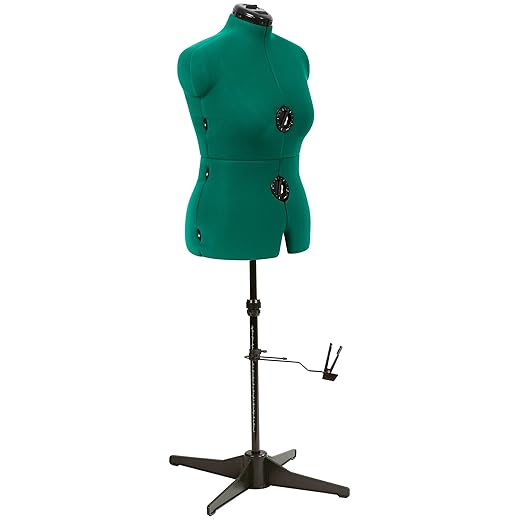
Pin deconstructed pieces onto a dress form to experiment with asymmetry and panel placement. Draping lets you see how bias, pleats, and reoriented seams will fall—especially useful when transforming a skirt into a top or a shirt into a dress.
Zero-waste layouts & repurposing parts
Plan pattern layouts to use every scrap: cut sleeve panels into side yokes, turn skirt tiers into peplum panels, or use pant legs as long cuffs. Techniques to try:
Reinforcing weak points & seam finishes
Stabilize with lightweight fusible interfacing (Pellon SF101 for wovens, softer fusibles for knits). Back fragile buttonholes with small fabric patches. Use:
Knits vs wovens & safe experiments
Respect stretch—cut knits on true stretch grain and use ballpoint needles. For wovens, mind the straight grain to preserve drape. Always make a muslin or baste first: a basted mock-up saves hours and prevents irreversible cuts.
Finishing Touches: Hardware, Hems, and Modern Details
Closures & hardware: small parts, big impact
Choose closures that signal intent: YKK invisible zips read polished; oversized corozo or statement horn buttons feel modern and tactile; Kam or Prym snap systems give a sporty, utilitarian edge. Practical tips:
Hem treatments that read contemporary
Modern hems balance rawness and refinement. Options to try:
Topstitching & edge stabilization
Topstitching elevates perceived quality—use topstitch thread, a 90/14 needle, and 3.5–4 mm stitch length for a bold, even line. For subtle polish, use matching thread and a 2.5–3.0 mm stitch with an edge guide. Stabilize hems and necklines with stay tape or lightweight fusible interfacing to prevent stretching.

Surface treatments & sustainable notions
Keep embellishment minimal and intentional: single laser-cut trims, a small leather patch, or whisper appliqué at a pocket corner. Prioritize sustainable notions: corozo buttons, recycled-metal snaps, plant-based leather alternatives. Anecdote: converting a thrifted blazer into a cropped jacket with corozo buttons instantly shifted its market appeal.
Fit tweaks & final pressing
Small fit changes — adding darts, taking in side seams, or shortening the shoulder — dramatically sharpen silhouette. Finish with disciplined pressing: use a tailor’s ham for curved seams, a clapper for crisp hems, and low-heat pressing cloths for synthetics. These final steps move an upcycle from “handmade” to “hand-finished,” and set you up to try full project walkthroughs in the next section.
Project Ideas, Step-by-Step Transformations, and Care
Oversized button-down → Structured cropped jacket
Assessment: check shoulder seams, sleeve length, and collar salvageability.
Patterning: trace a cropped jacket front/back from a similar garment or block; plan shoulder and sleeve adjustments.
Cutting: preserve collar and placket where possible; cut new length and shape.
Construction: reinforce shoulders with lightweight interfacing, set sleeves, add topstitching for structure.
Finishing: attach corozo or metal buttons, understitch facings, press sharply.
Skill: Intermediate. Time: 3–5 hours. Materials: thrifted button-down, fusible interfacing, buttons, thread.
Dress → Two-piece set (top + skirt)
Assessment: identify waistline, fabric pattern repeat, and stretch.
Patterning: draft a cropped top pattern from the bodice and a straight or gathered skirt from the skirt panel.
Cutting: maximize grain alignment; use skirt hem or waistline as finished edges to minimize sewing.
Construction: add waistbands, linings if sheerness is an issue, and discreet closures.
Finishing: topstitch and finish raw seams with a serger or flat-felled seam.
Skill: Beginner–Intermediate. Time: 2–4 hours. Materials: dress, elastic/zipper, waistband interfacing.

Sweater → Sleek poncho
Assessment: test fabric drape and unravel-prone seams.
Patterning: fold and mark desired shoulder openings and hemline.
Cutting: use a rotary cutter for clean edges; stabilize cut neck with knit binding.
Construction: minimal—finish edges, add a neck facing or ribbing.
Finishing: block to shape; add decorative topstitch or leather tab.
Skill: Beginner. Time: 1–2 hours. Materials: sweater, ribbing, ballpoint needle.
Multiple garments → Paneled coat
Assessment: match weights, shrinkage, and color tones.
Patterning: design panels (back, two fronts, sleeves); sketch seam-placement to balance motifs.
Cutting: transfer panel shapes to each source garment.
Construction: assemble panels with stay-stitching, add full lining for stability.
Finishing: install heavy-duty snaps or a sturdy zipper; edge-stitch for polish.
Skill: Advanced. Time: 6–12 hours. Materials: several garments, lining fabric, heavy zipper/snaps, interfacing.
Care, mending, and presenting
Next, move to practical next steps and how to scale your upcycle practice in the Conclusion.
From Castoffs to Coveted: Your Next Steps
With thoughtful selection, design sensibility, practical techniques, and careful finishing, upcycling turns discarded garments into contemporary, desirable pieces that carry story and sustainability. Start small: choose one source garment, sketch a focused plan, and practice a few cuts and seams—iterate until the fit and details read modern and intentional.
Document your experiments, wear them, and share what you learn; each attempt sharpens skills and builds a catalog of ideas. Continue learning through workshops, pattern books, and maker communities, and remember every upcycled piece is both an environmental act and a distinct creative statement.


Leave a Reply